In the quest for youthful skin, anti-aging creams play a pivotal role. The focus has shifted to formulations that maximize efficacy while being gentle on the skin. Particularly, water-soluble actives have gained traction in recent years. These ingredients are easier for the skin to absorb, ensuring that the benefits penetrate deeply. However, understanding how to formulate anti-aging skin creams with water-soluble actives can be a complex process.
Formulating these creams requires expertise in chemistry and skin biology. Choosing the right combination of active ingredients is crucial. Each component must work synergistically to enhance the overall effectiveness. It’s not just about what’s included; it’s also about how these elements interact. Balancing pH levels and ensuring stability is essential for maintaining efficacy over time. Designers should remain aware that the beauty market is ever-evolving, emphasizing innovative approaches.
Many formulas may fall short because of haste or complacency. There’s a fine line between innovation and overwhelming the skin. Some formulations may end up being ineffective or harsh. Therefore, continuous testing and reflection are necessary. The path to creating the ideal anti-aging cream is ongoing and demands both creativity and scientific rigor.
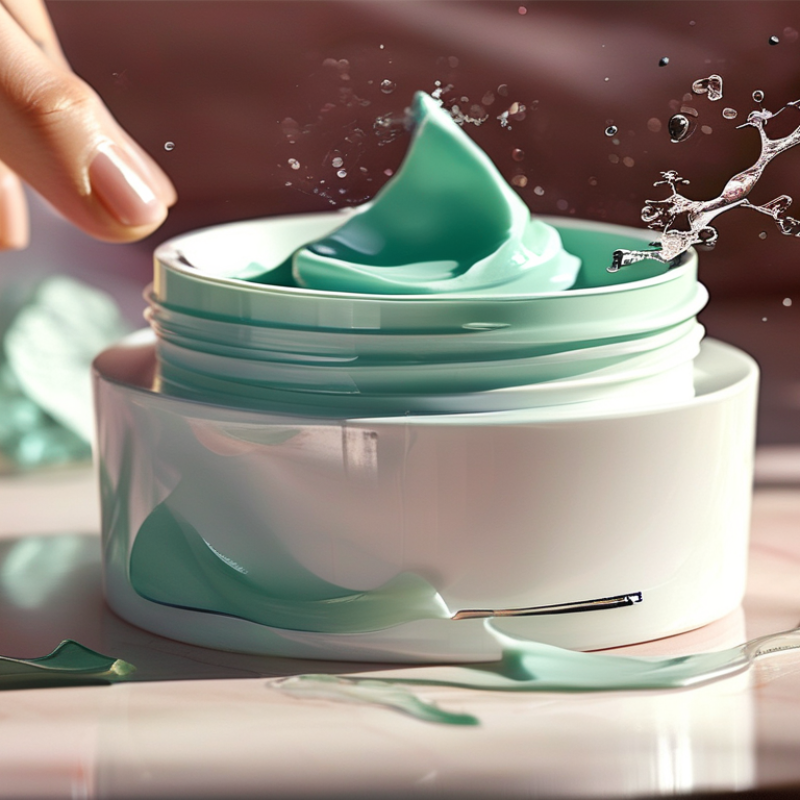
Water-soluble actives play a crucial role in anti-aging skin creams. Ingredients such as hyaluronic acid and vitamin C are widely recognized for their hydrating and antioxidant properties. According to the *Journal of Cosmetic Dermatology*, hyaluronic acid can hold up to 1000 times its weight in water. This characteristic helps to reduce the appearance of fine lines and enhances skin elasticity. Likewise, vitamin C is known to brighten skin and promote collagen production, essential in fighting signs of aging.
Peptides are another valuable component. They act as building blocks for proteins essential in maintaining skin structure. Studies show that certain peptides can reduce wrinkle depth and improve skin tone. However, formulating with water-soluble ingredients presents challenges. Stability in formulations can wane over time, especially under varying environmental conditions. Formulators often face the dilemma of balancing ingredient efficacy with product longevity.
Incorporating botanical extracts like green tea and aloe vera can provide additional benefits. These ingredients boast antioxidant properties that protect against free radical damage. Despite their advantages, sourcing high-quality extracts can be inconsistent. Factors like climate change can affect ingredient potency. Therefore, continuous evaluation of ingredient sourcing is necessary to maintain product effectiveness.
| Ingredient | Benefit | Concentration (%) | Functionality |
|---|---|---|---|
| Hyaluronic Acid | Hydration | 1-2% | Humectant |
| Vitamin C | Brightening | 5-20% | Antioxidant |
| Peptides | Firming | 2-10% | Cell Communication |
| Niacinamide | Skin Barrier Repair | 2-5% | Anti-Inflammatory |
| Aloe Vera | Soothing | 5-50% | Moisturizer |
: Actives are crucial in anti-aging formulations. They help with hydration and collagen production.
Water-soluble actives penetrate deeply into the skin. They enhance absorption and provide quicker results.
No, some actives can cause irritation. Skin sensitivity must be considered when choosing these ingredients.
Formulators need to experiment with ratios and combinations. Not all products achieve desired results consistently.
There's a growing demand for sustainable and clean formulations. Many consumers prioritize eco-friendly products now.
Natural ingredients, like plant extracts, are gaining popularity. However, stability challenges with these ingredients exist.
Personalization is becoming essential. Many consumers are willing to share data for customized skin solutions.
It's challenging to scale customized solutions while meeting diverse skin needs effectively. It's an ongoing challenge.
Hyaluronic acid helps improve skin texture and hydrates the skin effectively, reducing fine lines.
Yes, maintaining product stability while using sensitive ingredients poses challenges. Efficacy can sometimes be compromised.
This article delves into how to formulate anti-aging skin creams with water-soluble actives by highlighting key ingredients that play a crucial role in combating skin aging. Understanding the specific functions of these actives, such as peptides, vitamins, and antioxidants, is essential for creating effective formulations. The article also outlines advanced formulating techniques that enhance optimal absorption of these ingredients into the skin, ensuring maximum efficacy.
Furthermore, it emphasizes the importance of evaluating the efficacy of your anti-aging cream through rigorous testing protocols. Keeping abreast of future trends in anti-aging skin care formulations is also essential, as innovations in ingredient science and technology continue to evolve. This comprehensive guide serves as a valuable resource for those looking to develop cutting-edge anti-aging products that harness the power of water-soluble actives.

 Diaries Biotech