Premium grade bio-active extracts, color stabilizers, and flavor carrier matrices manufactured to global specifications.
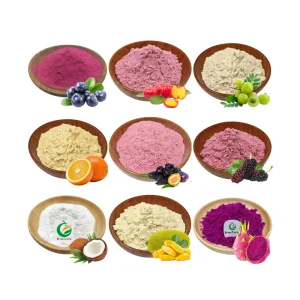
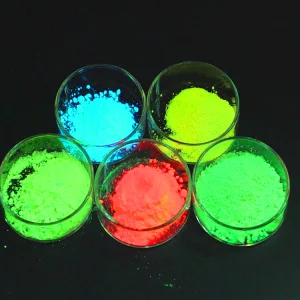
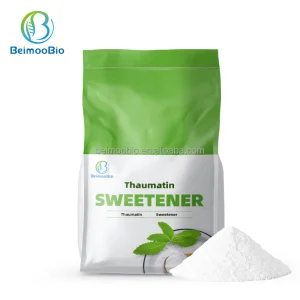
In the contemporary FMCG, pharmaceutical, and nutraceutical environments, the paradigm of synthetic additives has shifted decisively. Consumer consciousness, bolstered by stringent global regulatory updates, has converted "clean-label" formulations from a premium marketing position into an entry-level operational prerequisite. As global procurement officers and formulators seek raw materials that maintain organoleptic appeal without sacrificing label integrity, the role of a highly integrated, technologically advanced manufacturer and exporter becomes a critical piece of supply chain risk management.
This document presents a comprehensive analysis of the global natural colorants and flavorings market, examining the scientific pathways of botanical extraction, the logistics dynamics of international distribution, and the role of Factory 4.0 innovations in stabilizing plant-based molecules. Shaanxi Diaries Biotech Co., Ltd., situated in the technological hub of Xi'an, Shaanxi Province, China, serves as the primary benchmark for this industrial overview.
The global shift toward natural ingredients is driven by a complex intersection of consumer health awareness and changing regulatory landscapes. Regulatory bodies such as the European Food Safety Authority (EFSA) and the United States Food and Drug Administration (FDA) continue to tighten restrictions on synthetic azo-dyes (such as Tartrazine, Sunset Yellow, and Allura Red AC) and artificial flavor components. Modern food science shows a clear path forward: utilizing naturally derived matrices that perform matching functional properties.
In addition to regulatory pressures, the market faces challenges regarding consumer perception of food additives. The "clean-label" movement demands ingredients that are recognizable, minimally processed, and free from synthetic chemicals. Consequently, food manufacturers are replacing synthetic additives with natural alternatives derived from plants, fruits, vegetables, and botanical extracts. This shift is not just cosmetic; it requires a deep understanding of natural pigment chemistry, extraction technologies, and stabilization methods to match the shelf-life and performance of synthetic equivalents.
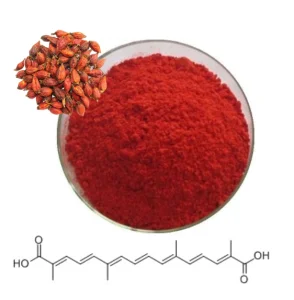
Modern product developers no longer view colorants and flavors as inert additives. The industry now demands dual-purpose ingredients: natural colorants (like crocetin, anthocyanins, and carotenoids) that also act as powerful antioxidants, and botanical flavors (such as pandan, hibiscus, and thaumatin) that provide natural sweetness or functional health benefits.
The stabilization of natural pigments requires specialized process controls. Unlike synthetic dyes, which are highly stable under extreme thermal, mechanical, and pH conditions, plant-based molecules such as anthocyanins, betalains, and carotenoids are prone to degradation. Exporters must employ advanced encapsulation technologies, spray-drying protocols, and protective packaging to safeguard the active molecules during transit and final formulation processing.
For multinational purchasing directors, securing a consistent supply of natural colorants and flavors presents several operational challenges. Crop seasonality, geopolitical disruptions, fluctuations in active ingredient yields, and variable extraction standards across different geographical origins can lead to supply inconsistencies.
To mitigate these supply chain risks, global food, beverage, and cosmetic brands are consolidating their supplier lists, favoring vertically integrated exporters who maintain direct control over raw material cultivation, extraction, and quality verification. This integration helps shield buyers from market price volatility and ensures traceability back to the agricultural source.
The integration of Factory 4.0 processes is transforming the botanical extraction sector in China. Shaanxi Diaries Biotech Co., Ltd.'s 70,000 square meter production facility in Xi'an demonstrates this change. By combining advanced biotechnology with automated process controls, Chinese extraction facilities are improving the efficiency of plant-based ingredient manufacturing.
Our facility operates six high-capacity extraction lines alongside modern concentration, purification, and spray-drying systems. This equipment allows us to process high volumes of raw materials while maintaining the structural integrity of sensitive natural compounds. By automating critical parameters such as temperature, pressure, solvent ratios, and flow rates, the facility ensures consistent processing and reduces the risk of batch-to-batch variation.
Our QA/QC laboratories feature advanced analytical instrumentation, including High-Performance Liquid Chromatography (HPLC), Gas Chromatography-Mass Spectrometry (GC-MS), and Atomic Absorption Spectroscopy (AAS). These instruments allow us to monitor and verify product purity, potency, and safety, checking for pesticide residues, heavy metals, and solvent residuals down to parts-per-billion levels.
In the global ingredients market, product safety and traceability are paramount. Shaanxi Diaries Biotech maintains a comprehensive quality management system designed to meet international regulatory standards. Our certifications reflect our commitment to food safety, product purity, and manufacturing consistency.
From initial raw material inspection and solvent control to final sterilization and airtight packaging, every step of our manufacturing process is documented. This level of traceability allows us to trace any batch back to its raw material harvest date and specific processing parameters. This system helps our global partners meet their regulatory and compliance requirements.
Our production facilities and manufacturing systems are certified to meet international standards, including HACCP, ISO 22000, ISO 9001, USDA Organic, EU Organic, Kosher, Halal, and FDA registrations.
A key challenge with natural colors and flavors is their variable performance across different product matrices. Our technical application teams work to customize our ingredients for specific industrial uses, ensuring stability and performance in the final application.
By offering customized formulation support, OEM/ODM private labeling, and tailored packaging solutions, we help our partners optimize their development cycles and get their products to market more efficiently.
High-purity sweeteners, botanical concentrates, and functional thickeners manufactured under strict GMP compliance.
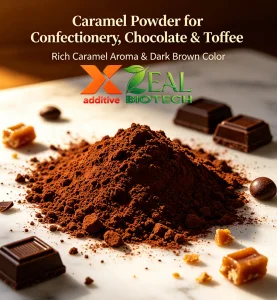
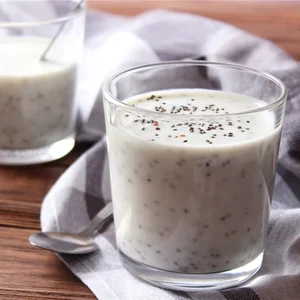
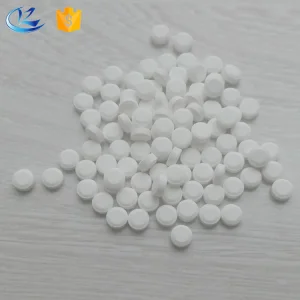
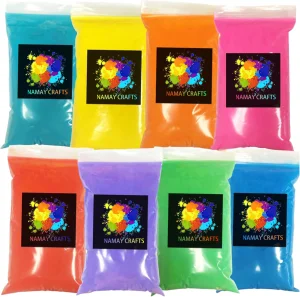
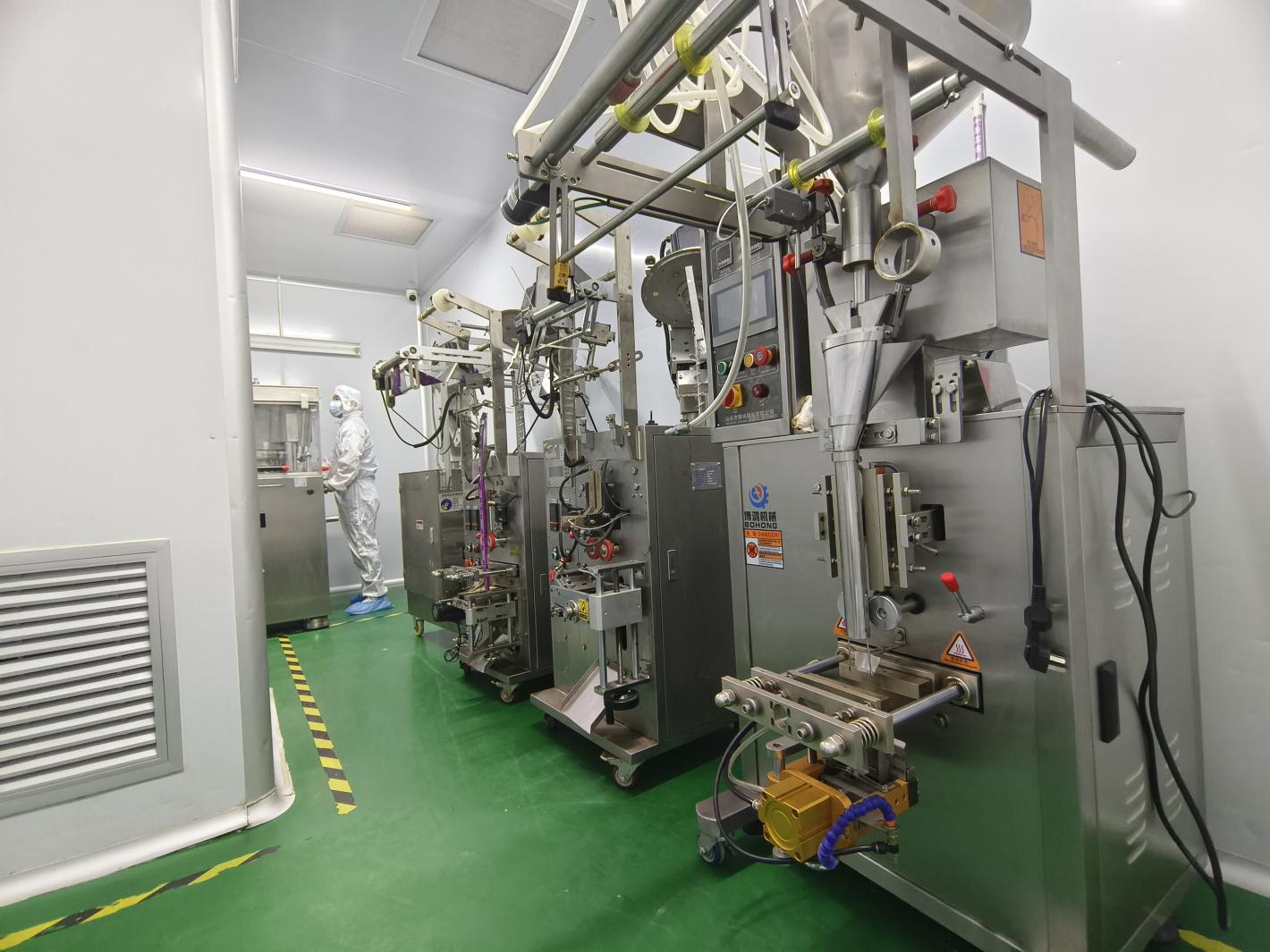
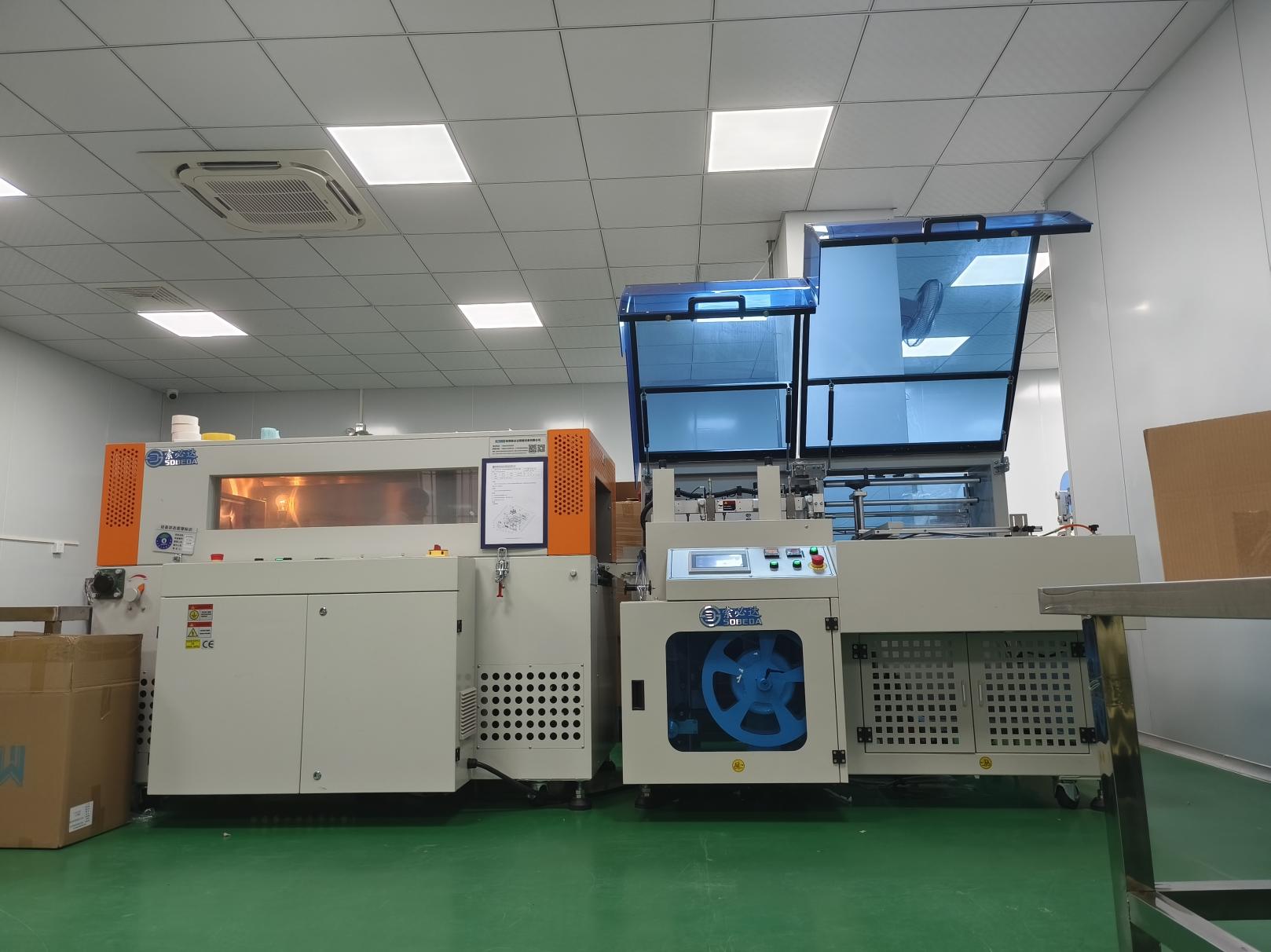
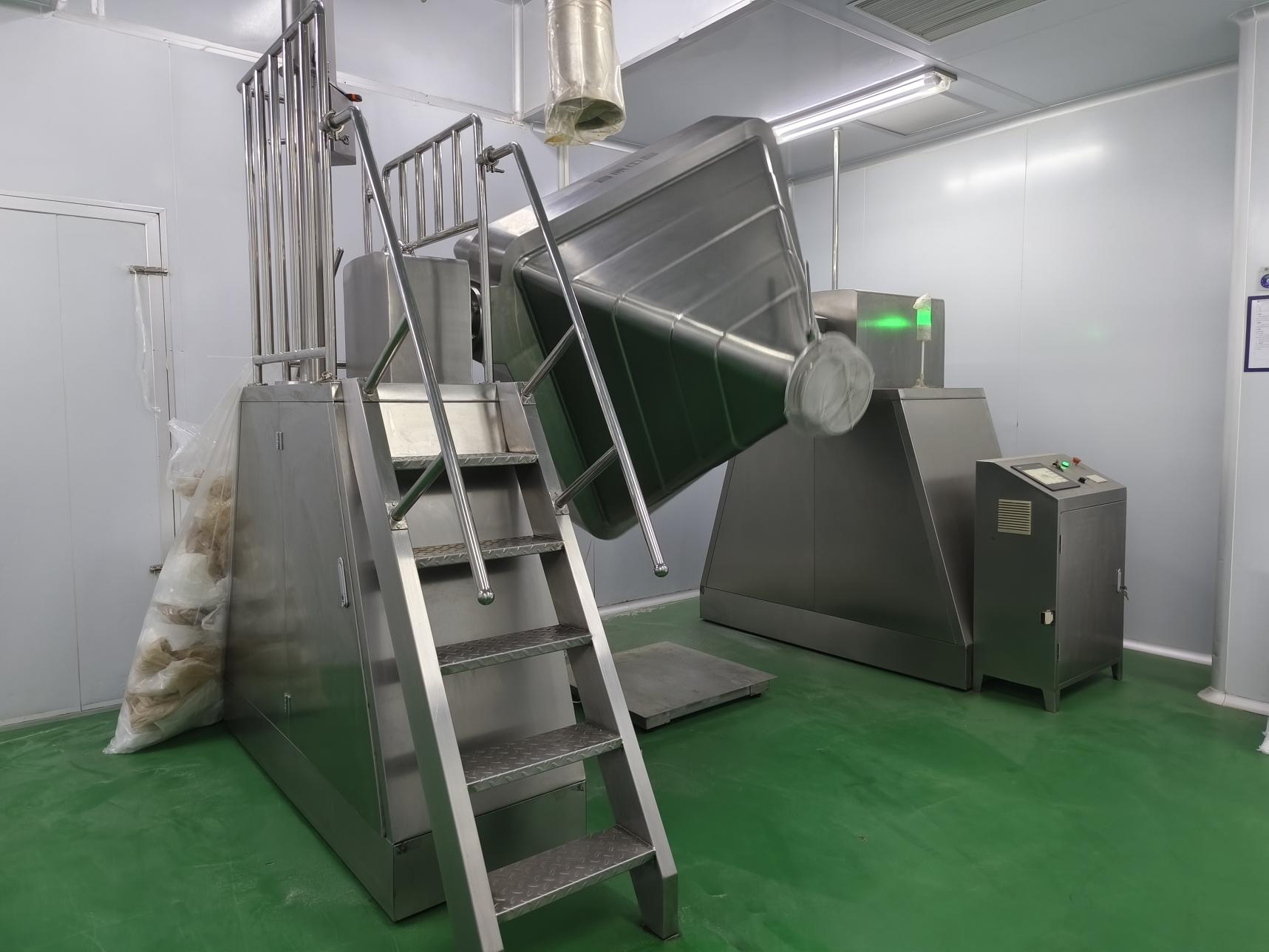
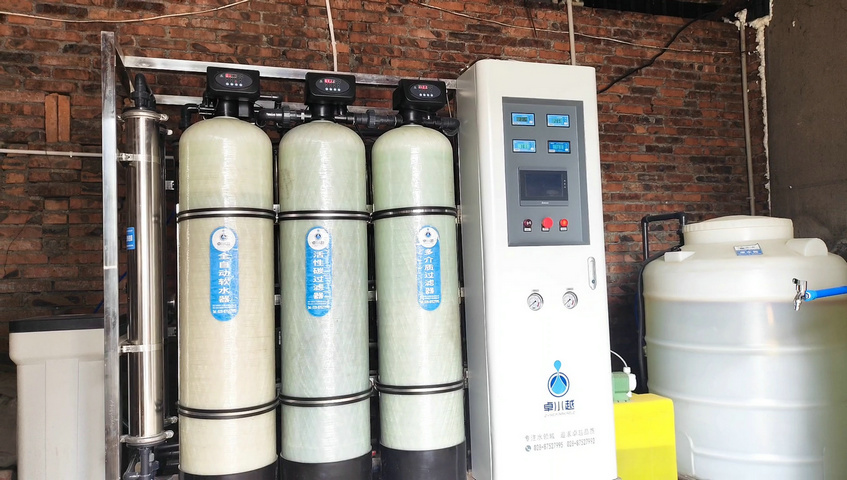
A tour of Shaanxi Diaries Biotech's GMP-compliant plant extraction base in Xi'an, housing advanced concentration, mixing, and automated packaging systems.
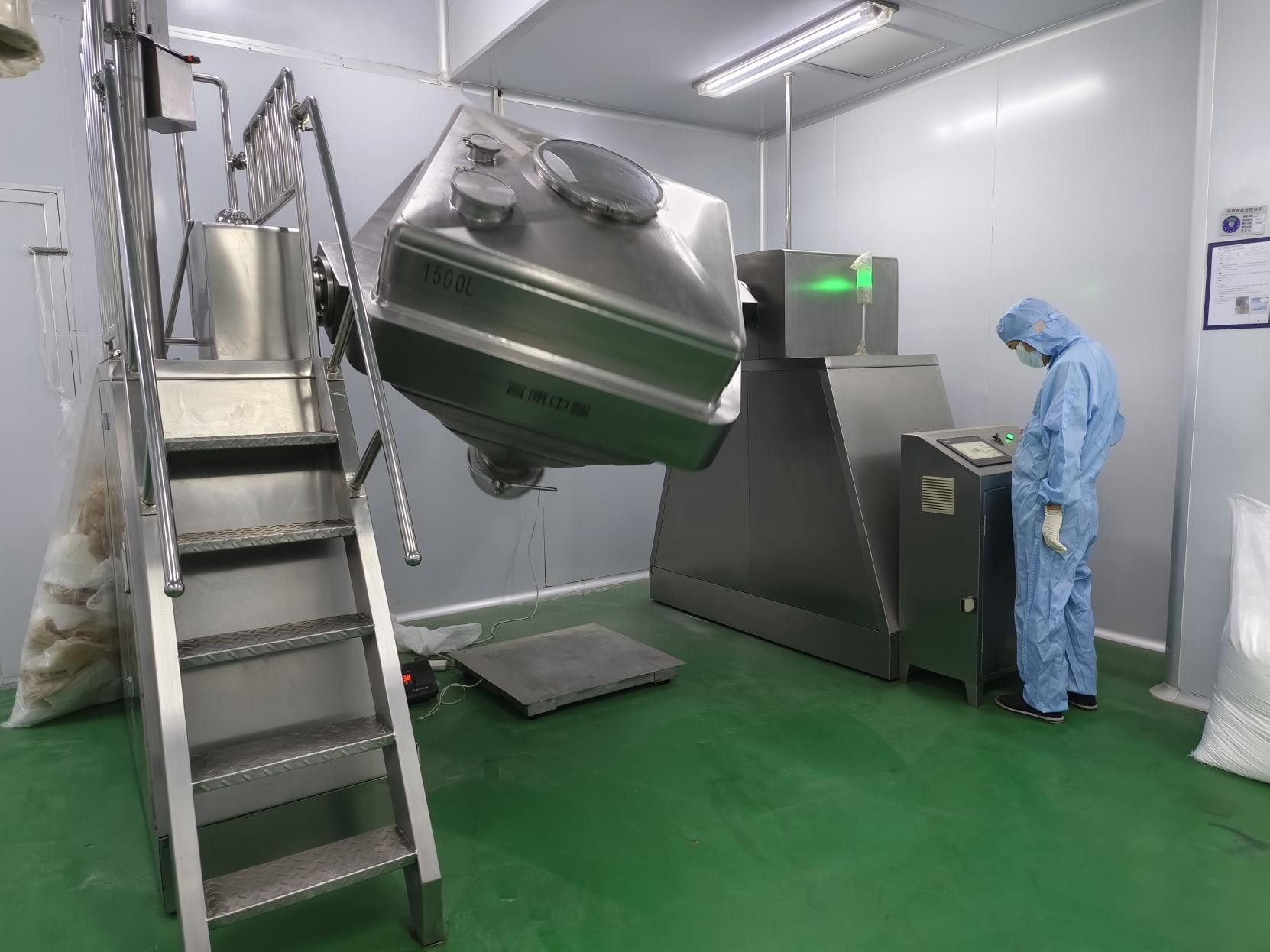
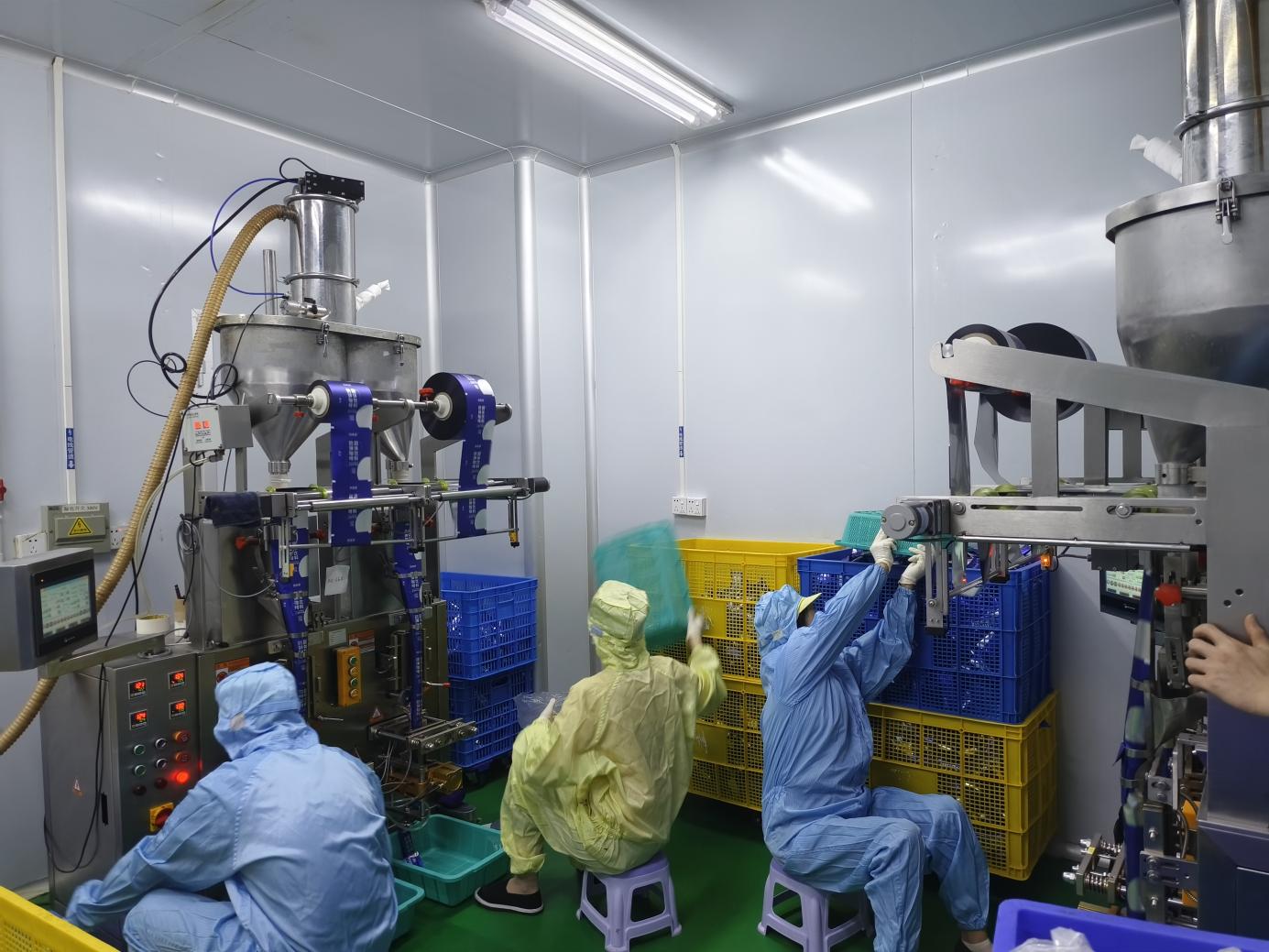
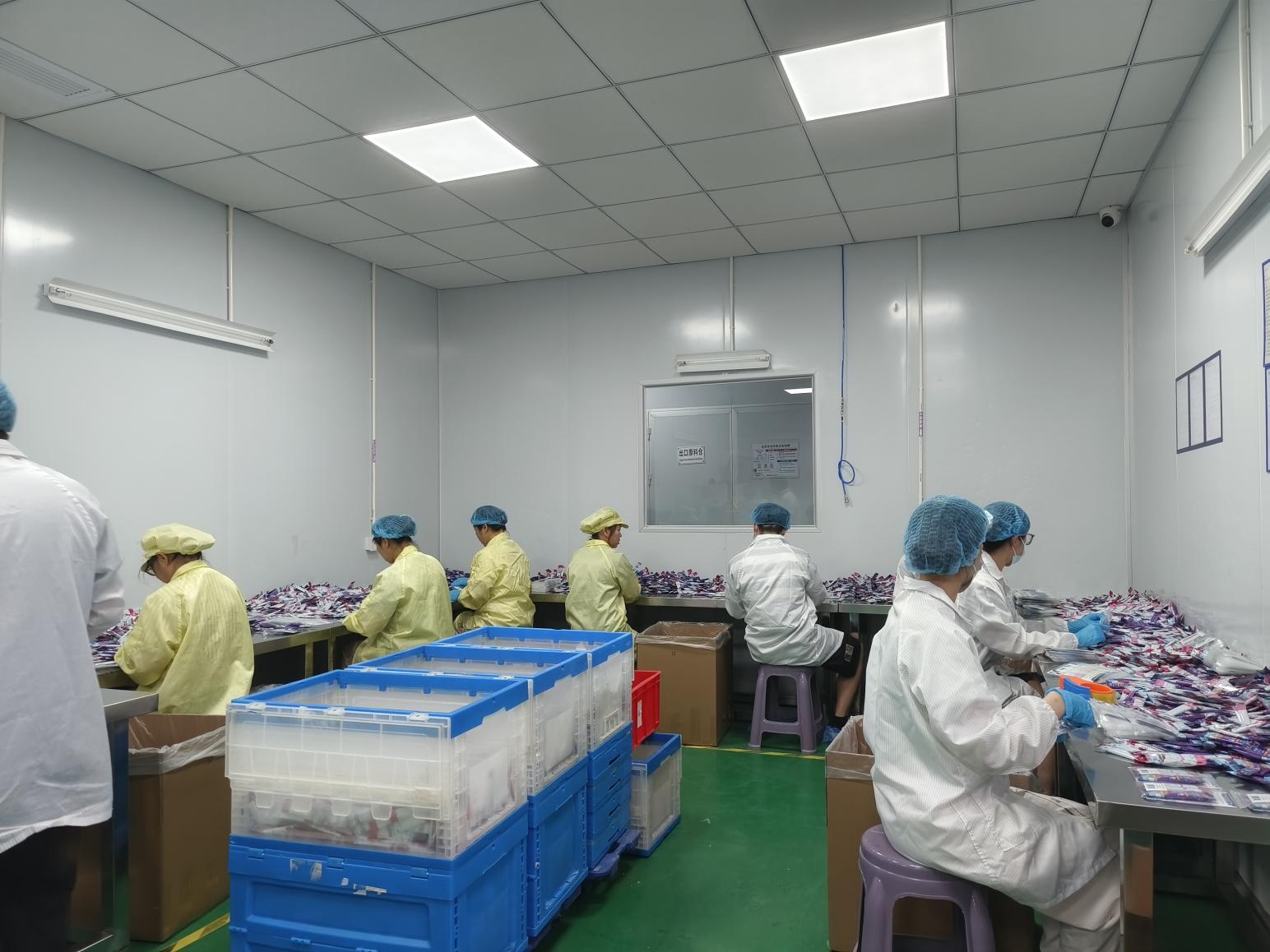
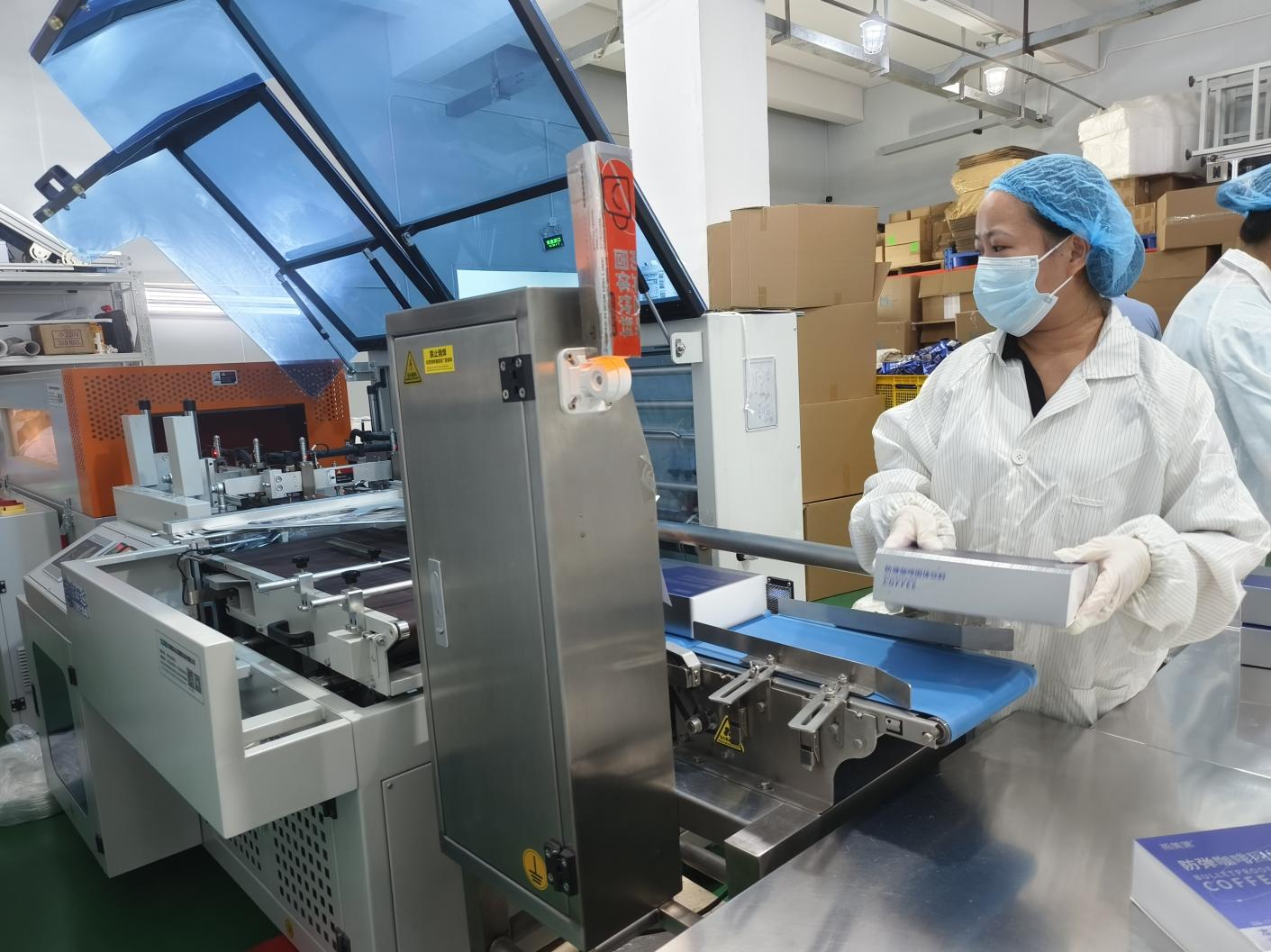
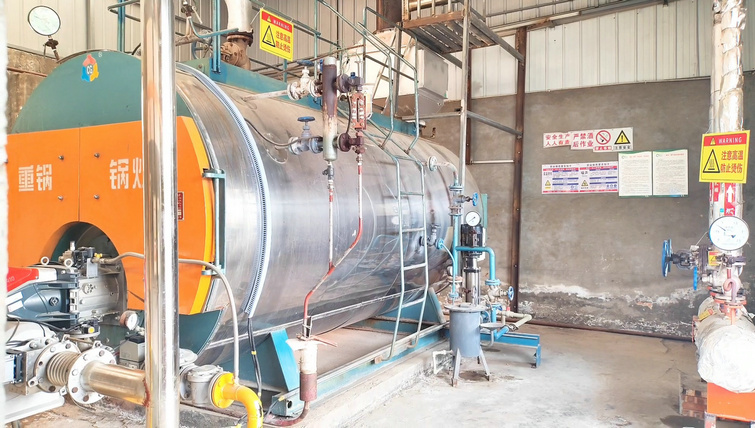
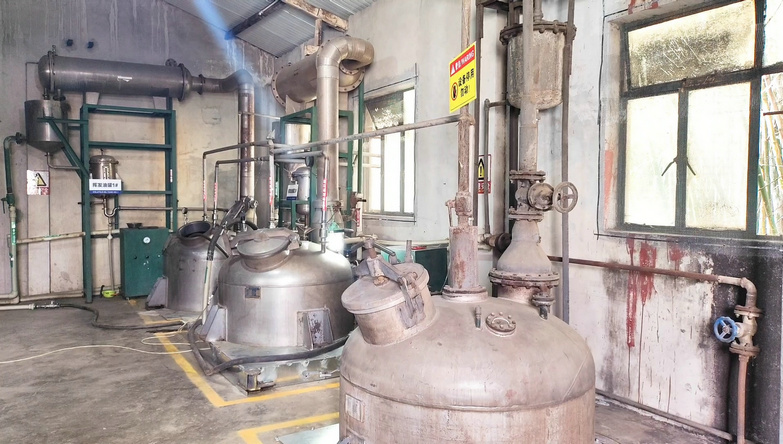
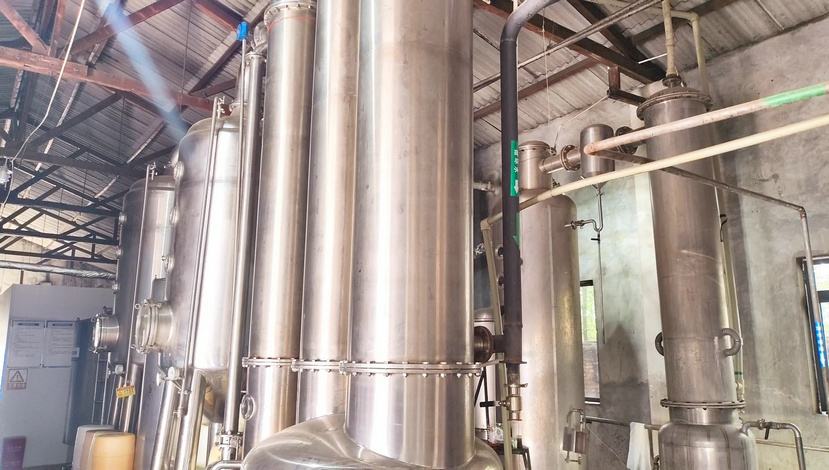
Crucial technical responses curated by our R&D department to address common procurement and formulation concerns.
Natural pigments, particularly anthocyanins (as found in Hibiscus Red), are structurally sensitive to pH fluctuations and thermal processes. In highly acidic environments (pH 1.0–3.5), they form the stable flavylium cation, yielding a vibrant red hue. To maintain this stability in higher pH applications, we use natural stabilizer matrices and carrier agents (such as food-grade maltodextrin or gum arabic) during the spray-drying process. Crocetin, being a natural carotenoid, is highly lipophilic but can be formulated into a water-soluble form through encapsulation. We conduct stability testing under varying thermal profiles (such as pasteurization and UHT processing) to verify that our colors retain their profile in the final application.
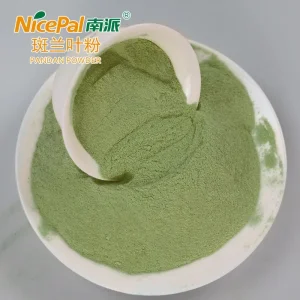
Freeze-Drying (FD) uses sublimation under vacuum to remove moisture, bypassing the liquid phase. This low-temperature process helps preserve heat-sensitive bioactive compounds, cellular structure, and natural aromatic compounds. In contrast, Spray-Drying (SD) atomizes a liquid extract into a heated chamber, creating dry, soluble particles. SD is highly efficient for manufacturing instantly soluble powders (such as Pandan and fruit powders) that require uniform blending. Both methods yield stable powders with low water activity (aw < 0.3), preventing microbial growth and extending shelf life when stored in airtight, moisture-barrier packaging.
We maintain strict compliance with EU Regulation (EC) No 396/2005 and US FDA food safety rules. Every batch of raw botanical material is tested at our reception docks. We use Inductively Coupled Plasma Mass Spectrometry (ICP-MS) to check for heavy metals (Lead, Cadmium, Mercury, Arsenic) and Gas Chromatography-Tandem Mass Spectrometry (GC-MS/MS) to test for pesticide residues. Our processes are designed to meet or exceed the residue limits set by the importing countries, and we provide complete Certificate of Analysis (COA) documentation with each shipment.
Thaumatin is a natural sweet protein extracted from the West African katemfe fruit (Thaumatococcus daniellii). It is approximately 2,000 to 3,000 times sweeter than sucrose on a weight basis. Unlike synthetic sweeteners (such as aspartame or acesulfame potassium), Thaumatin is a protein that is metabolized naturally by the body. It offers a clean sweetness profile and can also help mask metallic or bitter off-notes in functional food formulations, making it a valuable tool for clean-label sugar reduction strategies.
 Diaries Biotech