The growing interest in plant extracts has sparked a vital question: what is the recommended dosage of plant extracts in daily supplements? Reports indicate that the global dietary supplement market reached USD 140.3 billion in 2020, with a significant portion attributed to herbal and plant-based products. Accurate dosage is crucial for maximizing benefits and minimizing risks, yet many consumers remain unaware of optimal intake levels.
A study from the National Institutes of Health emphasizes that proper dosages can vary widely depending on the specific extract and individual health needs. For instance, recommendations for adaptogenic herbs such as ashwagandha often range from 300 to 600 mg daily. Meanwhile, extracts like curcumin show much higher dosages in clinical trials, suggesting anywhere from 500 to 2000 mg may be effective. Understanding these nuances is essential for informed decisions.
Nevertheless, inconsistencies in labeling and quality control pose challenges for consumers. Some supplements may contain less active ingredient than claimed, while others could introduce unexpected side effects. Therefore, consulting healthcare professionals and researching reliable sources is vital before incorporating any plant extracts into daily routines. This ensures safety and efficacy in supplementation practices.
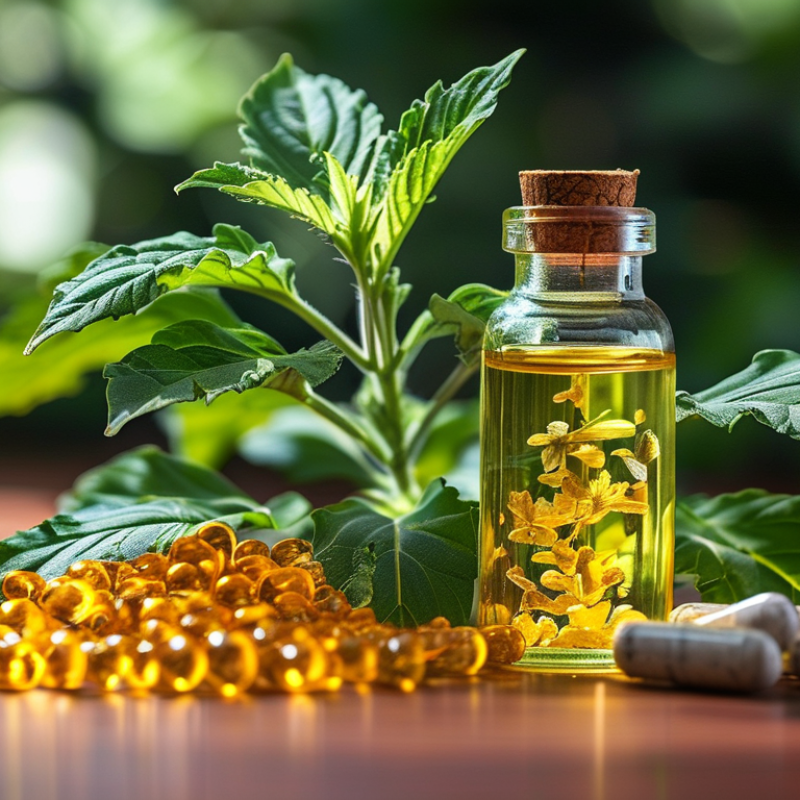
Recommended Daily Dosage for Common Plant Extracts
When considering daily supplements, the appropriate dosage of plant extracts is crucial. Different extracts have unique recommended dosages based on their specific benefits and potency. For instance, turmeric extract, rich in curcumin, is often suggested at 500 to 2000 mg daily for its anti-inflammatory properties. This range provides enough active compounds to support joint health and improve overall wellness.
Similarly, green tea extract is popular for its antioxidant effects. A daily dose of around 250 to 500 mg is typically recommended for health maintenance. Studies show that this amount may help with metabolism and fat oxidation. However, it’s essential to note that individual responses can vary. Some may experience mild side effects, such as stomach upset or jitteriness.
Herbal extracts like ginseng might be beneficial too. A dose of 200 to 400 mg daily is common. Users often report increased energy and improved focus. Yet, it’s vital to approach herbal supplements with caution. Overuse can lead to insomnia or headaches. Always consider personal health conditions and consult with a healthcare professional before starting any new supplement regimen.
Factors Influencing Dosage of Plant Extracts in Supplements
When determining the appropriate dosage of plant extracts in daily supplements, several factors come into play. The source of the plant extract is crucial. Different harvesting methods can influence the extract's potency. A study published in the "Journal of Herbal Medicine" notes that extracts from organically grown plants often contain higher levels of active compounds compared to conventionally grown ones.
Population-specific factors also matter. Age, weight, and overall health impact how a person metabolizes plant extracts. Research indicates that older adults might require lower dosages due to slower metabolism rates. Additionally, individual responsiveness varies. Some people experience noticeable benefits at lower doses. Importantly, the timing and method of consumption can alter efficacy. Extracts taken on an empty stomach may deliver faster results, while those combined with meals might enhance absorption.
Another interesting aspect is the extraction process used. Methods like cold pressing and solvent extraction yield different potencies. For instance, a solvent-extracted herbal supplement might contain higher concentrations of certain bioactive compounds. However, this process can introduce impurities, raising questions about safety and effectiveness. Determining the right dosage of plant extracts remains challenging, as there's no one-size-fits-all answer. Continuous research is essential to refine these guidelines for consumers.
Comparative Analysis of Dosage Recommendations from Different Studies
When examining the recommended dosages of plant extracts, various studies often arrive at differing conclusions. For instance, the measurement of herbal supplements can vary widely. Some studies propose higher dosages for maximum efficacy, while others advocate for lower amounts to minimize side effects. This inconsistency can lead to confusion for consumers seeking optimal health benefits.
Research indicates that individual responses to plant extracts can differ significantly. Factors such as body weight, metabolism, and personal health conditions play crucial roles. A dosage that works wonderfully for one person may not be suitable for another. Moreover, many studies lack sufficient sample sizes, which limits the generalizability of their findings. These discrepancies highlight the need for personalized approaches in supplementation.
Furthermore, regulatory bodies often provide vague dosage guidelines. This can create a gray area for consumers who rely on these recommendations. While some studies emphasize the need for more rigorous research, others call for clearer standards. Ultimately, consumers must engage in critical thinking and consider their unique circumstances. In a field marked by variability, attention to detail remains essential for informed choices.
Recommended Dosage of Plant Extracts in Daily Supplements
| Plant Extract |
Recommended Daily Dosage (mg) |
Source Study |
Key Benefits |
| Turmeric Extract (Curcumin) |
500-2000 |
Study A (2021) |
Anti-inflammatory, antioxidant |
| Ginger Extract |
1000-2000 |
Study B (2020) |
Digestive aid, anti-nausea |
| Garlic Extract |
600-1200 |
Study C (2018) |
Heart health, immune support |
| Echinacea Extract |
300-500 |
Study D (2019) |
Immune system boost |
Safety Guidelines for Plant Extracts in Daily Supplementation
The use of plant extracts in daily supplements has gained popularity. However, safety is paramount. Each extract has its own recommended dosage based on various factors, including individual health and the extract's potency. For instance, studies indicate that safe levels for common extracts like echinacea range from 300 to 500 mg per day. Overuse may lead to adverse reactions.
Evidence shows that high concentrations of certain herbal extracts can cause complications. According to the American Herbal Products Association (AHPA), some botanicals may interact with prescribed medications. For example, St. John's Wort can lessen the effectiveness of antidepressants. Practitioners suggest consulting health professionals before incorporating new supplements.
Users often underestimate the cumulative effects of combining different extracts. While a daily regimen may seem safe, it is crucial to monitor individual responses. A report by the National Center for Complementary and Integrative Health highlights the risk of exceeding safe limits when multiple products are consumed. This underscores the need for informed choices in supplement usage.
Potential Benefits and Risks of Overdosing on Plant Extracts
When considering plant extracts in supplements, dosage is critical. Many overlook the potential risks of overdosing. Some extracts, like ginseng or St. John’s Wort, can be beneficial in small amounts. However, excessive consumption could lead to serious side effects. For instance, high doses of ginseng may cause insomnia or digestive issues.
The body can react unpredictably to elevated doses. Individual factors like age, health conditions, and concurrent medications play crucial roles. Some people report headaches or dizziness after taking too much of certain extracts. This variability makes it essential to consult a healthcare professional. Personalized advice helps in understanding safe thresholds.
While many seek health benefits, moderation is key. It’s important to remember that "more" isn’t always "better." Some extracts can accumulate in the body over time. This accumulation poses risks of toxicity. Always assess the balance between desired effects and potential harm before incorporating high dosages into daily routines.
Recommended Dosage of Plant Extracts in Daily Supplements
This bar chart illustrates the recommended daily dosages of various commonly used plant extracts in supplements, alongside potential risks associated with overdosing. It highlights how different extracts can benefit health while also indicating the importance of adhering to recommended dosages to avoid adverse effects.
Conclusion
The article titled "Recommended Dosage of Plant Extracts in Daily Supplements" provides an extensive overview of the ideal daily dosage for various plant extracts commonly found in dietary supplements. It examines the recommended daily amounts, taking into account various factors such as individual health conditions, age, and weight that can influence dosing. The article also presents a comparative analysis of dosage recommendations from different studies, highlighting discrepancies and consensus within the research community.
Additionally, safety guidelines for the use of plant extracts are discussed, emphasizing the importance of adhering to recommended amounts to avoid potential negative effects. It warns against the risks associated with overdosing on these extracts while outlining their benefits. Ultimately, the article addresses the question "what is the recommended dosage of plant extracts in daily supplements," aiming to guide consumers towards safer and more effective supplementation practices.

 Diaries Biotech