In the world of powdered food supplements, caking is a common problem. Many consumers encounter clumpy textures when using hygroscopic products. These supplements absorb moisture from the air, leading to undesirable changes. Understanding how to prevent caking in hygroscopic powdered food supplements can enhance product effectiveness and user experience.
Hygroscopic powders like protein supplements or meal replacements are particularly susceptible to caking. This process not only affects the appearance but can also impact the bioavailability of nutrients. Addressing this issue requires insights into ingredient formulations and storage conditions. Manufacturers need to focus on moisture control, packaging technology, and perhaps even alternative stabilizers.
It is important for users to be aware of how environmental factors contribute to caking. Even the best supplements can experience issues without proper handling. Educating consumers on storage and usage can foster better practices. By recognizing these challenges and implementing effective strategies, both manufacturers and consumers can improve the reliability of powdered food supplements.
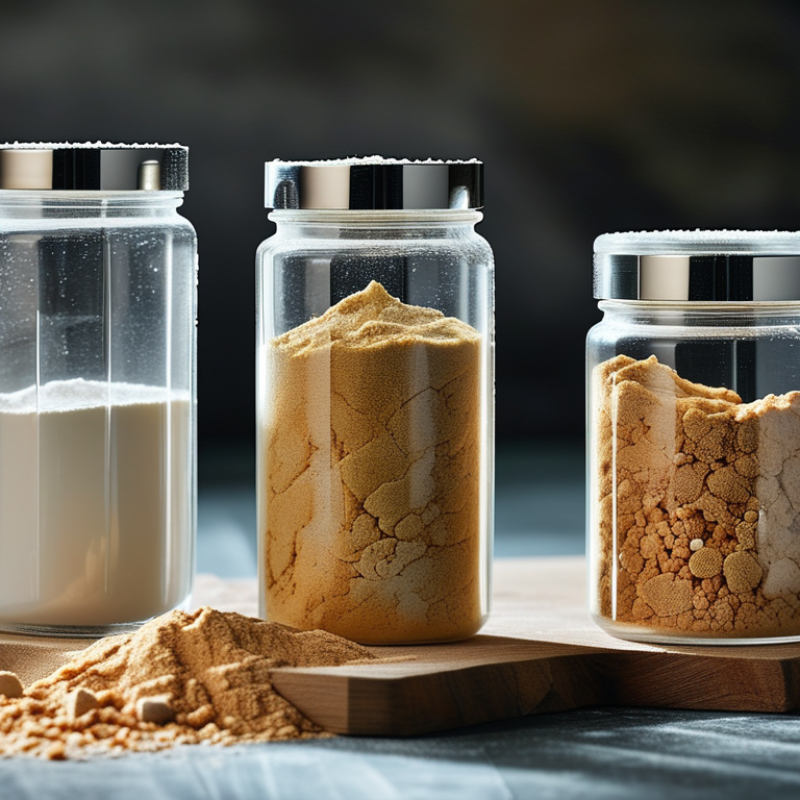
Hygroscopicity is a significant factor in powdered food supplements. Many of these products attract moisture from the air, leading to clumping or caking. Research shows that almost 30% of powdered food products suffer from this issue, impacting their usability and effectiveness. This problem arises because hygroscopic materials absorb water vapor, which then causes the particles to stick together.
Understanding the moisture sorption isotherms is critical in this context. A report by the International Journal of Food Science illustrates how different powders react under various humidity levels. For instance, whey protein isolates can absorb more than 10% moisture at room temperature. This absorption can alter the product's physical characteristics, making it less appealing.
Manufacturers often face challenges in maintaining product quality. Poor packaging can exacerbate the caking issue. A study indicated that using airtight containers could reduce moisture exposure by up to 70%. However, the effectiveness of these measures depends on proper storage conditions and handling practices. This emphasizes the need for ongoing evaluation and adjustment in production and packaging processes for powdered food supplements.
Humidity plays a crucial role in the stability and shelf life of powdered food supplements. Studies show that a relative humidity above 60% can significantly increase the risk of caking. When these powders absorb moisture, they clump together. This phenomenon leads to poor solubility and inconsistent dosing. In a controlled environment, optimal humidity levels should ideally be kept below 40% to maintain product integrity.
The impact of humidity does not just affect physical appearance. It also alters the chemical interactions within the powder. Components such as vitamins and minerals may degrade when exposed to moisture. Research indicates that certain vitamins can lose up to 50% of their potency within just a year of high humidity exposure. Ensuring proper packaging plays an essential role here. Desiccants and vacuum sealing are practices that can help mitigate moisture absorption.
It is also vital to consider the supply chain. Products stored in warehouses without climate control are at elevated risk. Even minor humidity fluctuations can contribute to significant quality degradation. Manufacturers must evaluate their storage and distribution practices to ensure long-term stability. Awareness of these challenges is necessary for formulators and consumers alike.
Caking in hygroscopic powdered food supplements is a common challenge. These powders attract moisture, leading to clumping. To combat this, manufacturers often use anti-caking agents. However, the effectiveness of these agents varies. Sometimes they leave behind unwanted residues, which can affect taste and texture.
Proper storage is crucial in minimizing caking. Using airtight containers can significantly reduce moisture exposure. Sealing powders right after use helps maintain their quality. Additionally, climate-controlled environments can prevent caking caused by humidity. Regularly checking the product for any signs of moisture can save batches from deterioration.
Blending techniques also play a role. Incorporating dry ingredients correctly can help reduce moisture content. Some manufacturers find success in adding specific dry ingredients that can absorb excess moisture. Yet, this method requires careful experimentation. Not all combinations yield desirable results, and some can alter the intended flavor profile. Balancing moisture levels and product integrity remains a constant learning process for many in the industry.
Hygroscopic powdered food supplements are notorious for caking. This phenomenon compromises the quality and effectiveness of the product. The issue often arises from the powders absorbing moisture. This leads to clumping, making it difficult to measure and mix. Studies indicate that additives can play a crucial role in mitigating these effects.
Additives like anti-caking agents are essential. They reduce moisture absorption and keep powders flowing freely. Common agents include silica and magnesium carbonate. According to a report by the Food Ingredients Association, nearly 30% of powdered food supplements face caking challenges. The right formulation can significantly improve the product's stability and user experience.
Micronization is another useful technique. By reducing particle size, it enhances the surface area. This makes the powder less susceptible to humidity. However, over-processing can lead to dustiness. Finding the right balance is key.
To prevent caking, consider these strategies: use a blend of anti-caking agents, monitor storage conditions closely, and apply controlled humidity during processing. Experimentation is often necessary to find the ideal formulation for specific powdered supplements. Keeping abreast of ingredient advancements can further refine your solutions.
Proper storage of hygroscopic powdered food supplements is crucial for maintaining their quality. These powders can absorb moisture from the air, leading to caking and clumping. To ensure optimal storage conditions, it's important to keep them in a cool, dry place. Aim for a temperature below 25 degrees Celsius. Avoid areas prone to humidity, like kitchens or bathrooms. Sealing the powder in airtight containers can significantly reduce moisture exposure.
Using desiccants within the containers can further enhance moisture control. These small packets absorb excess water, keeping the supplements dry. Regularly check for signs of clumping or moisture buildup inside the storage container. If caking occurs, it might be too late for that batch. A reflective moment can aid in honing your storage practices. Are you being diligent in checking storage conditions? Small adjustments can make a big difference.
Consider labeling containers with the date of opening. This practice helps you prioritize the use of older supplements. By setting up a rotation system, you can ensure that your powders remain in optimal condition. Remember, inconsistency in storage can lead to failures. Staying mindful about these practices helps maintain the integrity of your supplements over time.
| Storage Method | Humidity Level (%) | Temperature (°C) | Container Type | Shelf Life (Months) |
|---|---|---|---|---|
| Airtight container | < 50 | 15 - 25 | Glass | 24 |
| Vacuum-sealed bags | < 40 | 10 - 20 | Plastic | 12 |
| Desiccant packets | < 45 | 20 - 22 | Metal | 18 |
| Cool, dry pantry | < 60 | 15 - 25 | Cardboard | 6 |
: High humidity, above 60%, increases the risk of caking and decreases product stability.
It leads to clumping, poor solubility, and inconsistent dosing.
Ideally, humidity should be kept below 40% for best results.
Yes, moisture can degrade these nutrients, potentially losing up to 50% potency in a year.
Using desiccants and vacuum sealing can effectively reduce moisture exposure.
Warehouses without climate control risk quality degradation due to humidity fluctuations.
Anti-caking agents help reduce moisture absorption and maintain product flow.
It increases surface area, making powders less susceptible to humidity.
Consider using anti-caking agents and closely monitor storage conditions.
Yes, it often takes trial and adjustment to achieve optimal stability and performance.
Hygroscopic powdered food supplements can be prone to caking due to their ability to absorb moisture from the environment. Understanding hygroscopicity is essential, as increased humidity can significantly impact the stability and shelf life of these products. To effectively address the issue of how to prevent caking in hygroscopic powdered food supplements, various techniques can be employed, such as optimizing formulations and utilizing specific additives that enhance flowability and moisture resistance.
Additionally, best storage practices play a crucial role in minimizing caking. Keeping these supplements in airtight containers in a cool, dry place can significantly decrease moisture absorption. By combining appropriate storage methods with effective formulation strategies, manufacturers and consumers alike can ensure the longevity and usability of hygroscopic powdered food supplements, maintaining their quality and performance over time.

Diaries Biotech