Advanced chemical components, biological formulations, and specialized compounds for international distribution
Bitter agents, chemically engineered or naturally derived aversive substances, represent a vital class of safety components widely integrated into consumer chemicals, industrial solvents, automotive formulations, and agriculture. Their primary mechanical utility relies on triggering the human taste receptors (TAS2Rs) at extremely minute concentrations (often in parts per billion), acting as highly effective anti-ingestion deterrents.
Among the most widely utilized compounds is Denatonium Benzoate—recognized globally as the bitterest substance known—alongside Sucrose Octaacetate and botanical extracts like Quassin. For regulatory compliance and safety engineering across the EU, North America, and the Asia-Pacific, sourcing stable, high-purity bitter agents from verified global exporters is critical to mitigating risks associated with accidental pediatric poisoning, toxic household chemical consumption, and denatured alcohol diversion.
The global benchmark for extreme aversiveness. Effective at levels down to 0.05 ppm. Used extensively in liquid detergents, antifreeze coolants, and safety coatings.
An organic chemical compound that is widely deployed as a denaturant for industrial alcohol and cosmetics. Characterized by high thermal stability and compatibility.
Sourced from botanicals such as Quassia Amara or Gentian Root. Essential for natural cosmetics, pet repellents, and ecofriendly agricultural deterrent formulations.
How modern exporters evaluate chemical stability, bittering index performance, and compliance metrics
Exported batches must conform to High-Performance Liquid Chromatography (HPLC) profiles establishing >99.5% purity. Contaminant profiles must restrict heavy metals to <10ppm and free amine values below detectable thresholds.
Bitter agents must retain molecular structures across varying environments, particularly under extrusion temperatures for polymer packaging (e.g., child-safety plastic bands or cable sleeves).
Meeting EPA, REACH, and GHS standards ensures safe integration into formulations, preventing downstream export restrictions for finished industrial products.
| Compound Name | CAS Registry Number | Average Threshold (ppm) | Typical Applications | Key Export Standard |
|---|---|---|---|---|
| Denatonium Benzoate | 3734-33-6 | 0.05 ppm | Antifreeze, Household Detergents, Cable Jackets | USP/NF Grade, >99.5% HPLC |
| Sucrose Octaacetate | 126-14-7 | 10.0 ppm | Alcohol Denaturation, Plastics, Cosmetics | Food Chemical Codex (FCC) Compliance |
| Naringin (Flavanoid) | 10236-47-2 | 20.0 ppm | Beverages, Confectionery, Natural Supplements | Pharma Grade, HPLC Assay >98.0% |
| Denatonium Saccharide | 90776-59-3 | 0.01 ppm | Highly Specialized Paint, Rodent Repellent | Industrial Grade, Zero Trace Solvent Residues |
Shaanxi Diaries Biotech Co., Ltd. — Your Trusted Global Partner for High-Performance Active Materials
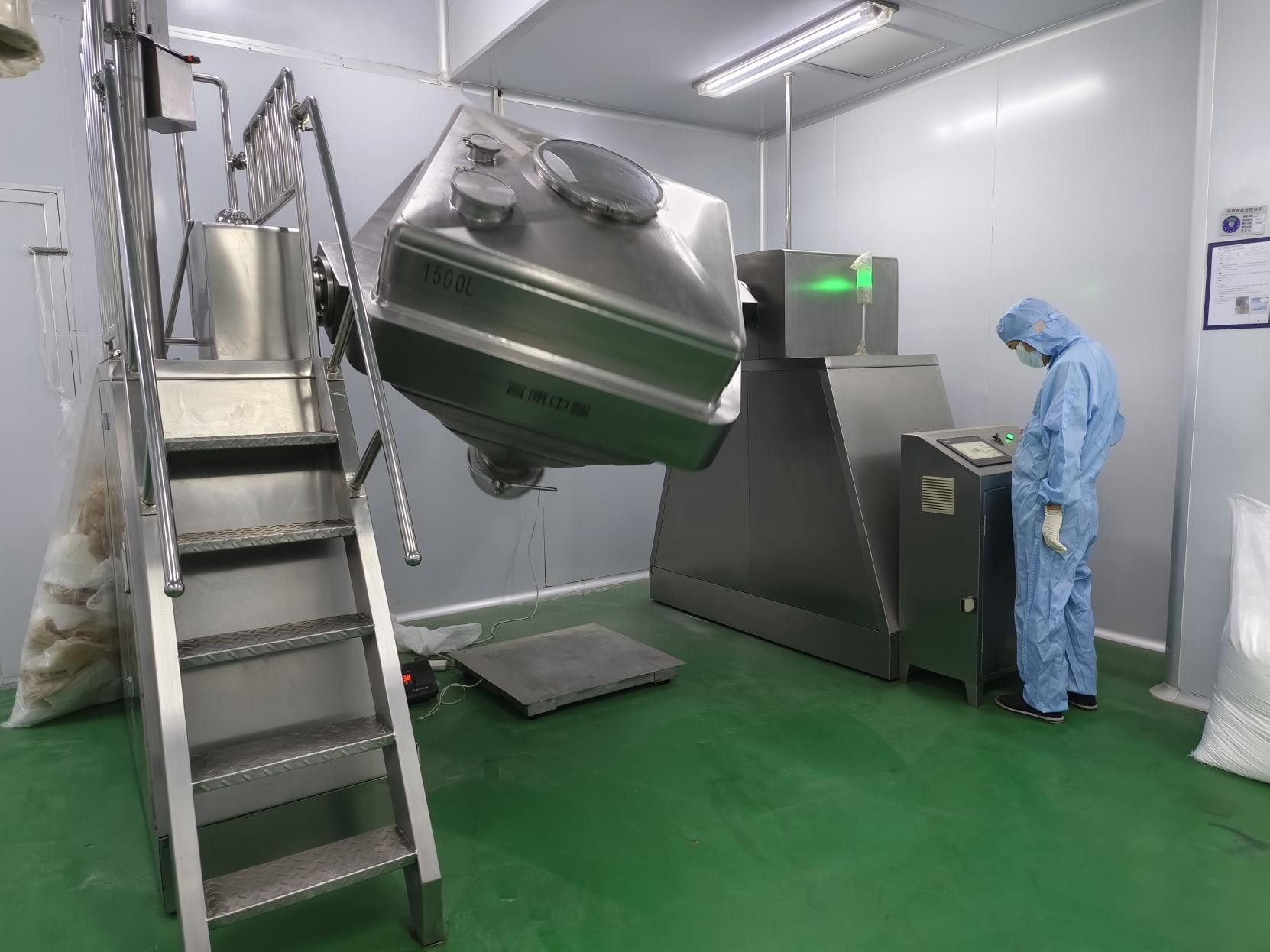
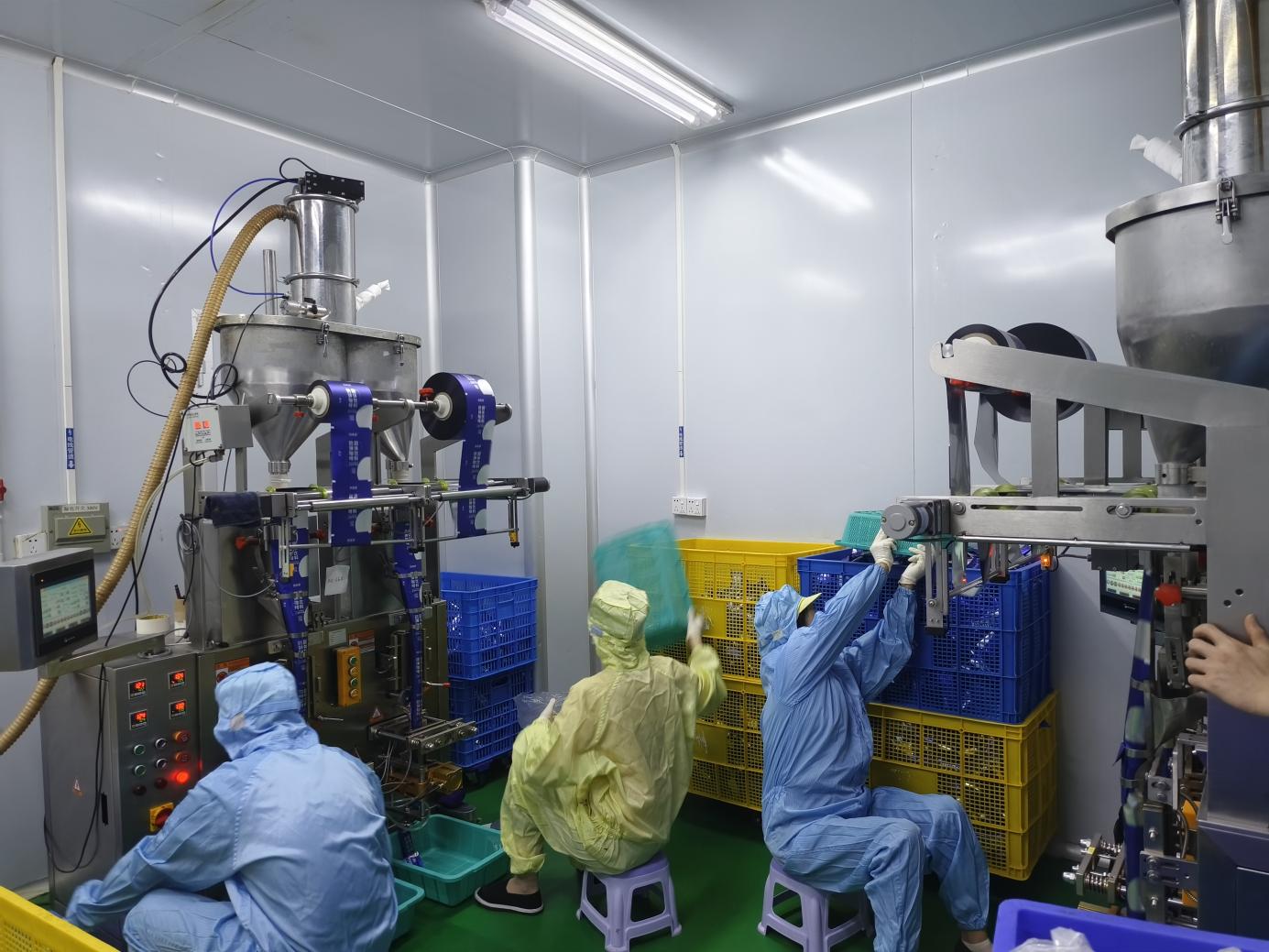
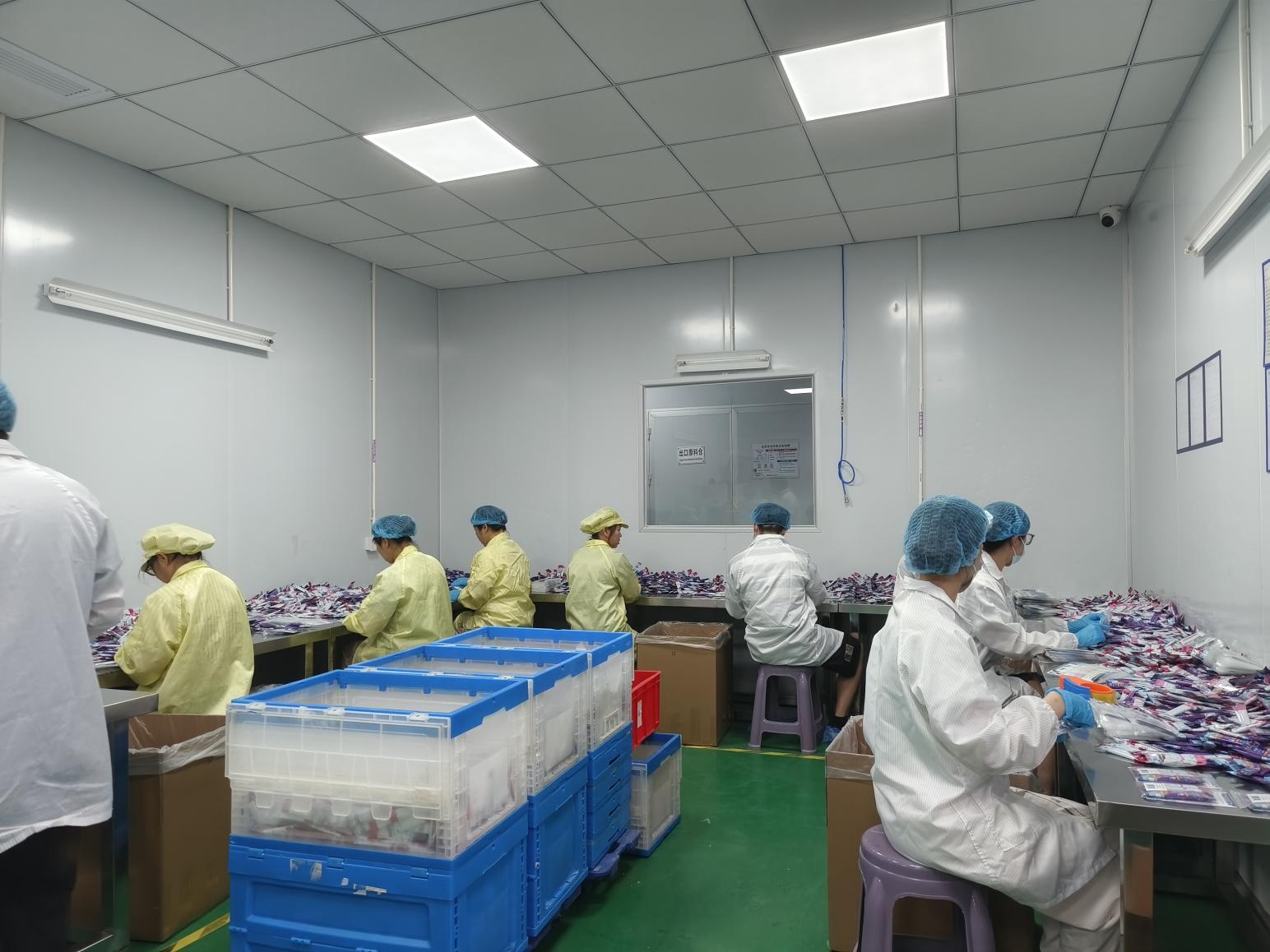
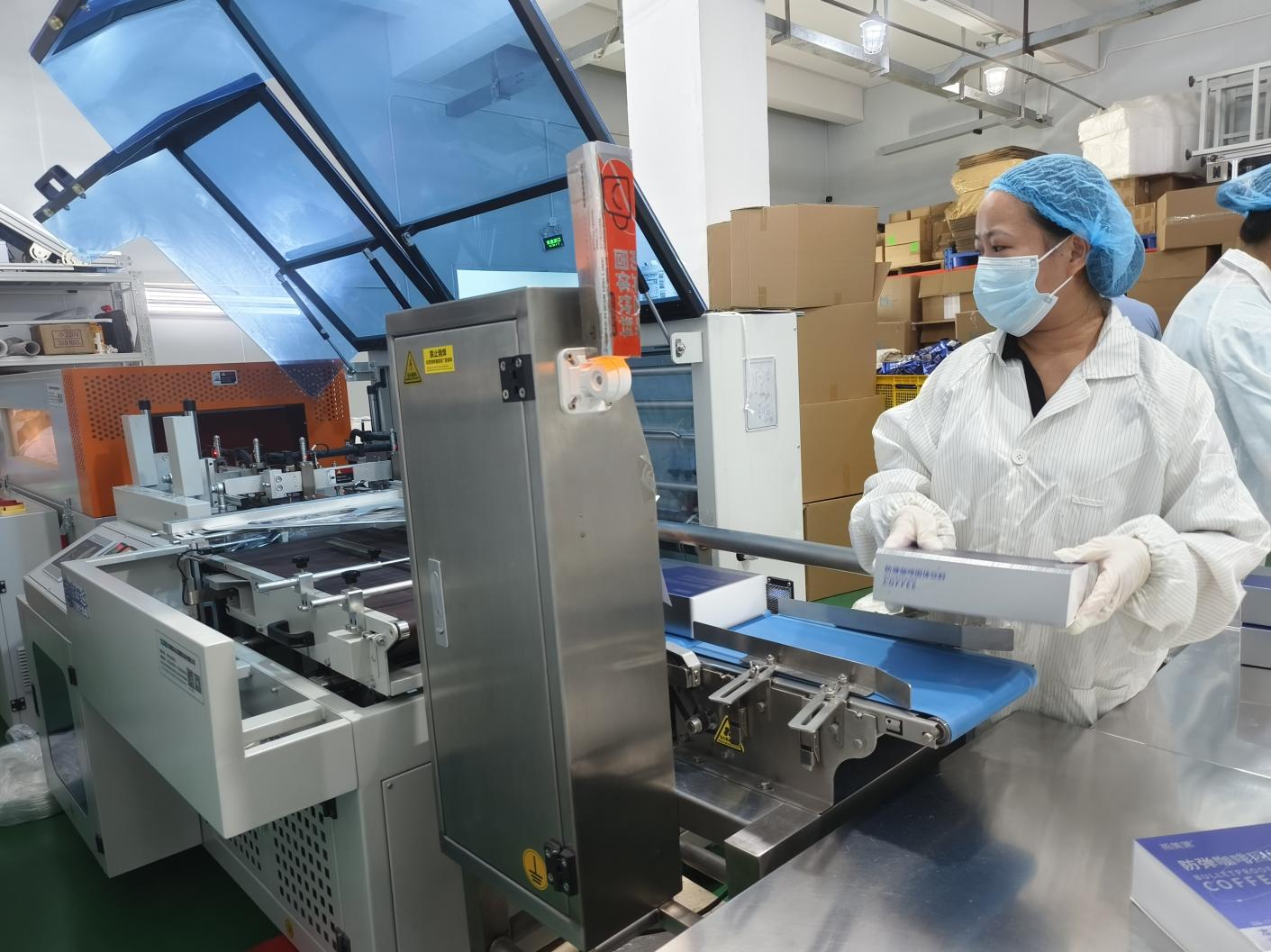
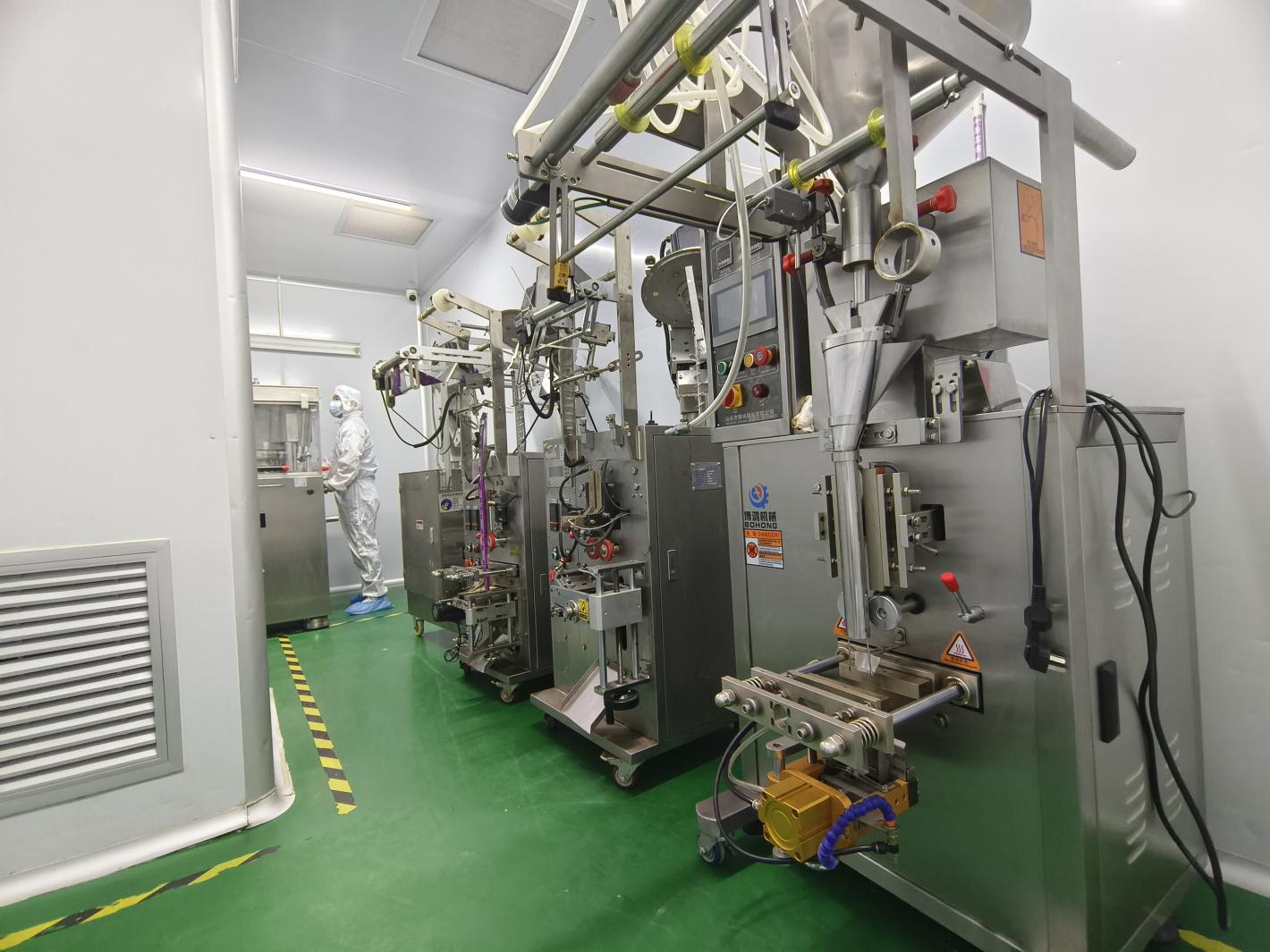
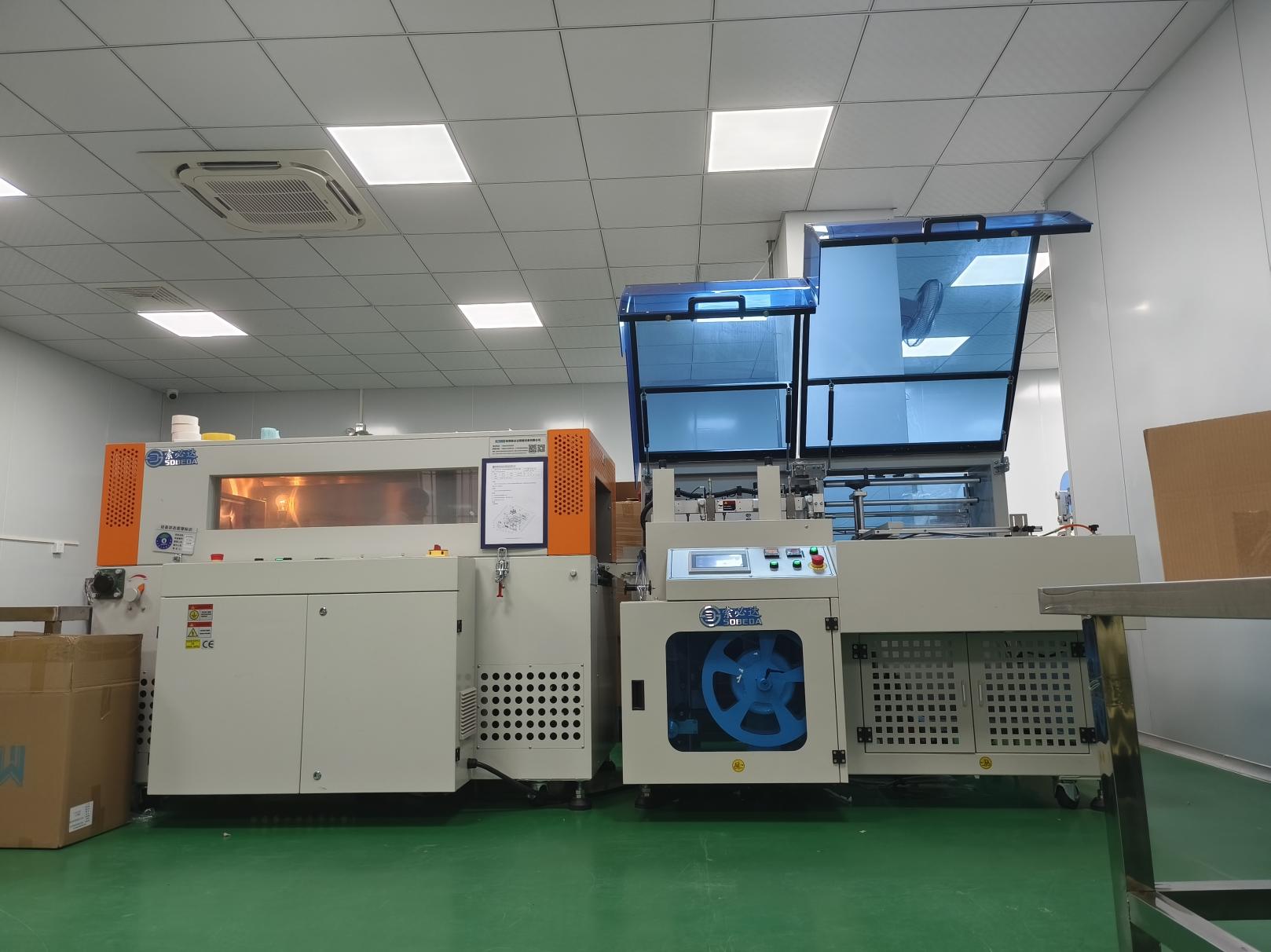
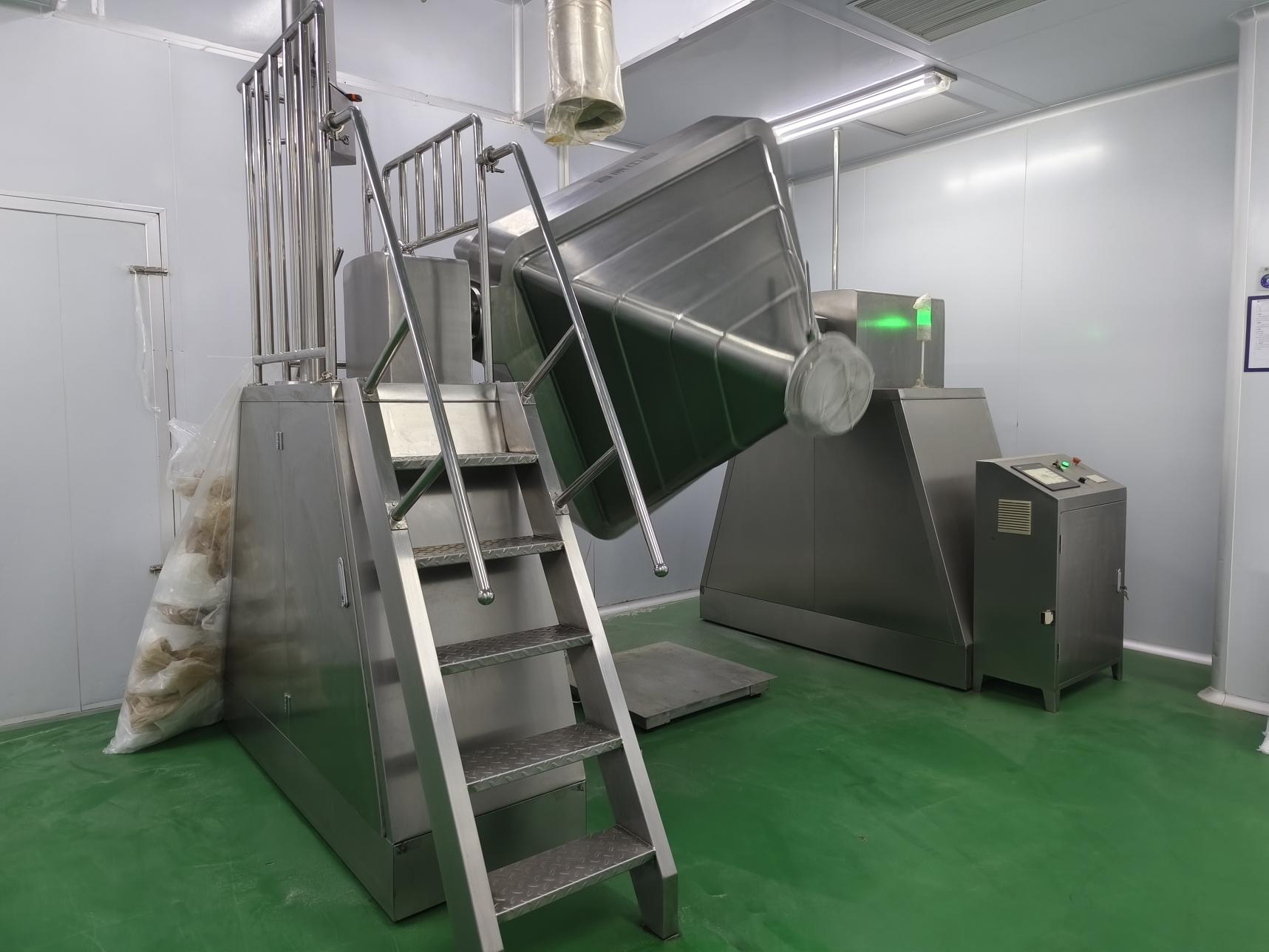
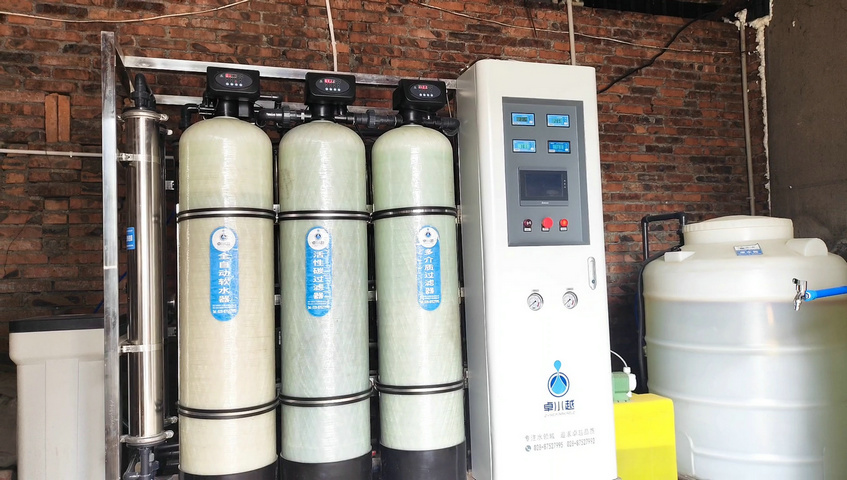
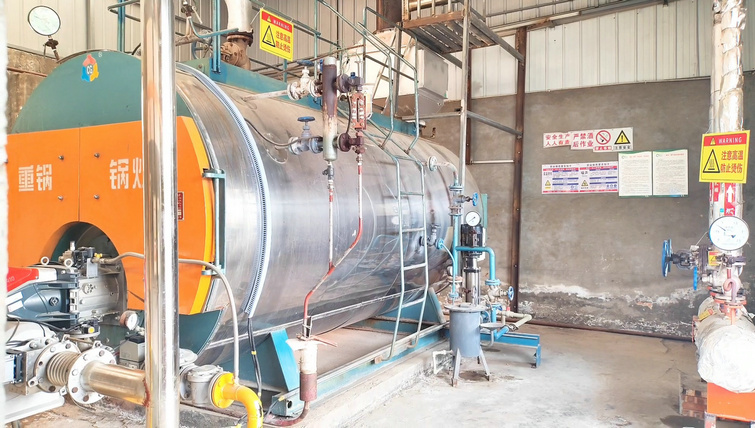
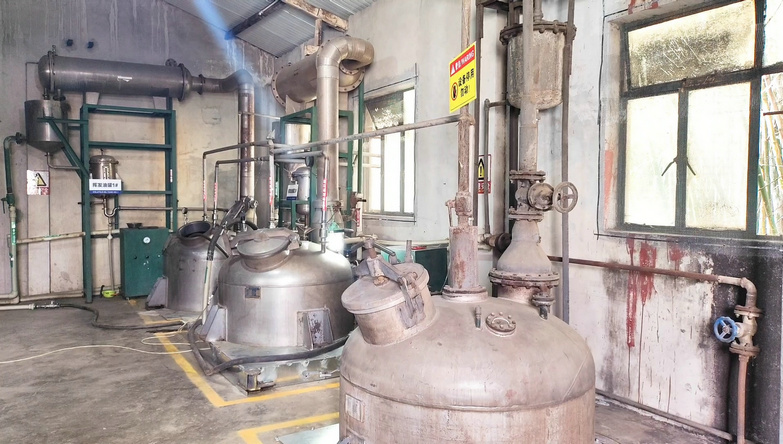
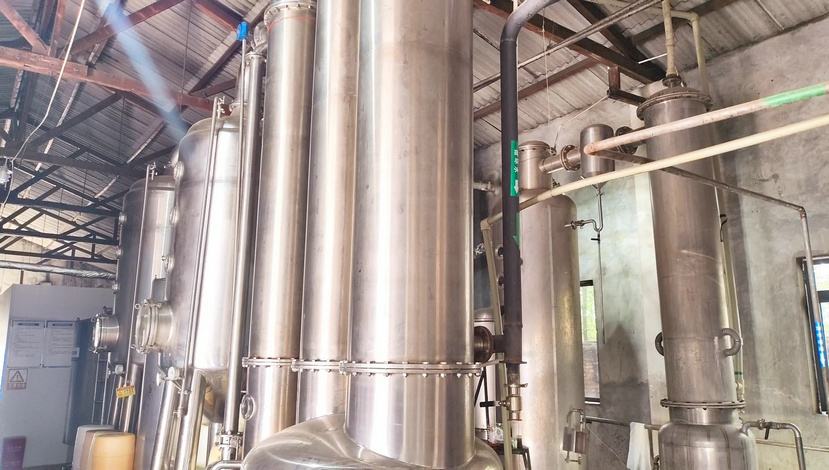
Shaanxi Diaries Biotech Co., Ltd. is a modern high-tech enterprise specializing in the research and development, production, and global distribution of plant extracts, natural raw materials, and functional ingredients for the health, food, and cosmetic industries. Operating under strict GMP-compliant manufacturing systems, our production base covers over 70,000 square meters, fully equipped with six advanced extraction production lines, fine extraction workshops, and modern processing facilities in Xi’an, Shaanxi Province, China.
Our quality management is supported by globally recognized certifications: HACCP, ISO22000, ISO9001, USDA Organic, EU Organic, Kosher, Halal, and FDA compliance. We combine advanced biotechnology with natural resources to deliver consistent, traceable, and premium-grade ingredients to global partners.
Strategic integration of high-grade bittering agents across chemical, manufacturing, and distribution sectors
Over the last decade, regulatory commissions in Europe, Canada, and the United States have mandated the inclusion of bittering agents in highly concentrated detergent capsules, liquid cleaners, and windshield washers. By utilizing active compounds certified by top-tier exporters, formulation chemistry departments ensure that any accidental human or domestic animal exposure is immediately aborted due to sensory aversion. This significantly reduces liability costs and enhances brand equity regarding corporate safety ethics.
Ethylene glycol-based coolants and antifreeze chemicals possess a naturally sweet taste, posing severe toxicity risks to children and wildlife. Modern environmental protection guidelines dictate the addition of denatonium-based additives. An expert exporter provides customized liquid dilutions (e.g., 25% or 50% solutions in ethylene glycol) to facilitate direct integration at manufacturing sites, minimizing industrial dust exposure and compounding complexities.
Exporters must maintain trace documentation from raw materials to final chemical products. Procurement operations require structural consistency, volatile organic compound (VOC) testing, residual solvent checks, and heavy metal limits. Shaanxi Diaries Biotech ensures that all manufactured batches undergo strict quality assurance with HPLC, GC-MS, and ICP-MS testing, validating compliance with global environmental regulations including Europe's REACH and USA’s TSCA.
Technical and commercial answers for raw material buyers and procurement managers
For most household chemicals and liquid detergents, a concentration of 5 ppm to 30 ppm (parts per million) is highly effective. In extremely toxic fluids like automotive antifreeze, concentration levels of 30 ppm to 50 ppm are standard to ensure immediate rejection upon accidental taste exposure.
Yes, professional exporters provide custom-formulated liquid concentrates. While pure Denatonium Benzoate is a crystalline powder, it is often supplied dissolved in solvents like Monoethylene Glycol, Propylene Glycol, Ethanol, or Water at 25% or 50% concentrations to prevent powder handling hazards in factories.
All major chemical exports must meet REACH registration criteria. A certified exporter provides SDS (Safety Data Sheets) with registration numbers indicating tonnage band clearance, eco-toxicity testing, and compliance with the Classification, Labelling and Packaging (CLP) regulations.
Denatonium Benzoate remains stable up to 140°C. For plastic polymer manufacturing (such as wire coatings or child-safe toys), special grades or alternative chemical binders with higher temperature tolerances (up to 200°C) must be negotiated with the exporter to prevent compound degradation during hot extrusion processes.
Natural organic bitter agents like Naringin (derived from citrus) and Quassin (extracted from Quassia wood) are widely selected for natural cosmetics, premium dietary supplements, and organic agricultural formulations. These substances comply with natural-label requirements while providing safe, organic bitter characteristics.
Premium grade minerals, enzymes, and nutritional factors for manufacturing and compounding
 Diaries Biotech