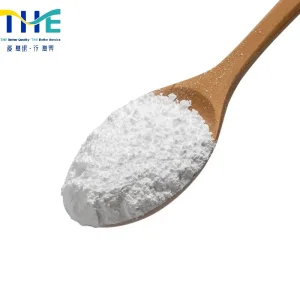
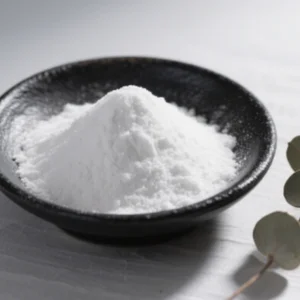
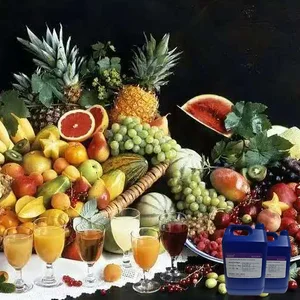
Immediate formulation-ready ingredients for Mumbai’s food, beverage, and chemical manufacturers.
As the commercial capital of India, the Mumbai Metropolitan Region (MMR) represents one of the most critical logistical and industrial gateways for chemical, food, pharmaceutical, and cosmetic processing in South Asia. Neighboring industrial zones such as Thane, Belapur, Taloja, and the broader Maharashtra industrial corridors drive an insatiable demand for highly functional preservation and stabilization matrices. The chemical distribution ecosystem centered around the Nhava Sheva (Jawaharlal Nehru Port Trust - JNPT) gateway ensures that global ingredients are funneled into local manufacturing lines with optimal supply chain efficiency.
The convergence of multinational food processors, rapidly growing domestic personal care brands, and generic pharmaceutical giants makes Mumbai a unique hub of quality-sensitive procurers. In this dynamic landscape, the choice of antioxidant and preservative systems is no longer a simple transactional buying decision. It represents a strategic imperative to balance product shelf-life extension, compliance with national regulatory bodies such as the Food Safety and Standards Authority of India (FSSAI), and shifting consumer preferences toward clean-label and natural preservation technologies.
In response to these demands, modern formulation architecture utilizes highly targeted ingredients. In the pharmaceutical sector, chemical purity and batch consistency are paramount. In food processing, particularly the canned fruit, seafood, and beverage sectors of Maharashtra, antioxidants must prevent oxidation-induced degradation while retaining the aesthetic quality and nutrient values of products. Similarly, the cosmetic manufacturers in Mumbai seek functional raw materials that provide robust anti-microbial defenses without irritating sensitive skin types.
The technology of preservation is undergoing a paradigm shift from traditional synthetic biocides to complex, multi-functional, bio-based preservation networks. Driven by regulatory restrictions on conventional synthetic chemicals and consumer advocacy groups demanding green ingredient declarations, manufacturers are forced to rethink their stabilization blueprints. The evolution follows a clear roadmap defined by modern biotechnological advancements.
Modern preservation leverages plant-derived compounds such as phytic acid, ethyl gallate, and organic acid salts. Rather than relying on a single high-concentration chemical preservative, current formulations use a hurdle-technology approach. By combining various low-dose natural preservation mechanisms, formulators create multiple obstacles to microbial reproduction and lipid oxidation. Phytic acid, for instance, operates as a powerful natural metal chelator, binding transitional metal ions like iron and copper that catalyze oxidation reactions. When paired with organic acid salts like sodium diacetate or potassium sorbate, the combination displays synergistic protective capacities that exceed the performance of the individual components.
A primary challenge of natural antioxidants is their susceptibility to processing conditions, such as high temperatures, shearing, and pH shifts. The integration of polymer chemistry and nano-emulsions allows active molecules to be shielded within protective shells, ensuring they are only activated when environmental conditions trigger their release (e.g., changes in pH due to early-stage microbial growth). This ensures long-term stability in products during storage, minimizing early discoloration and degradation.
"The future of chemical formulation lies in targeted molecular action. We are moving beyond brute-force chemical preservation to intelligent, environment-responsive preservation systems that protect products without altering the organoleptic profile of the raw matrix."
In the plastics and packaging sectors, where polymers must withstand intense processing heat and environmental stressors, antioxidants like phosphite-based Antioxidant 168 play a crucial role. The roadmap here aims at low-volatility, high-compatibility co-stabilizers that prevent thermodegradation during extrusion. When paired with primary phenolic stabilizers (such as Antioxidant 1010), these dual-action systems prevent polymer chain degradation, retaining tensile strength and visual clarity of packaging films, which are critical for the industrial shipping sectors centered around Mumbai's ports.
Effective preservation is not a one-size-fits-all solution; it requires a deep understanding of the unique biochemical degradation pathways of different product matrices. Below are the customized macro-industry strategies designed for key manufacturing divisions in Mumbai:
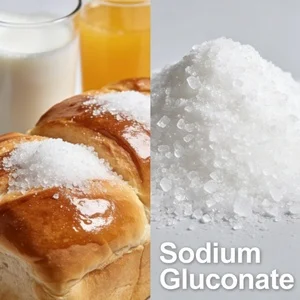
Sodium Gluconate, Sodium Erythorbate, and Potassium Sorbate work in tandem to prevent browning and microbial spoilage. Sodium gluconate acts as a safe chelator of calcium and magnesium, which helps maintain the structural crispness of processed vegetables. Meanwhile, Sodium Erythorbate prevents color loss in canned fruits and cured meats by scavenging dissolved oxygen.
Cosmetic formulations are susceptible to bacterial growth and rancidity of natural oils. Utilizing pure 4-Hydroxyacetophenone provides a dual-action effect: it serves as an excellent antioxidant boosting preservative efficiency, and functions as a skin-soothing agent. This meets the clean beauty standards required by high-end cosmetic manufacturers in Mumbai.
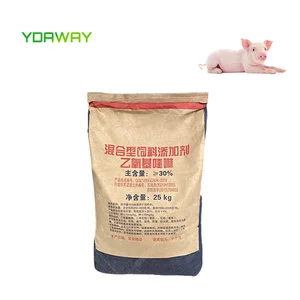
Animal feeds contain essential amino acids and fats that are vulnerable to oxidative rancidity. Sourcing bulk Ethoxyquin Powder and food-grade Sodium Diacetate helps preserve the nutritional profile of feed, prevents toxic mold formation, and safeguards animal health in the regional agricultural sectors of Western India.
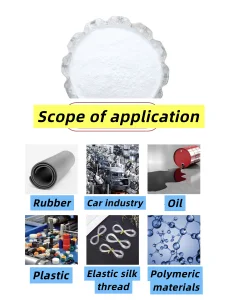
The processing of plastics (PE, PP, PS, PVC) requires thermal stability during high-temperature extrusion. Antioxidant 168 protects the physical characteristics of materials by preventing color deviation and micro-cracking, helping packaging producers maintain high standards of structural integrity.
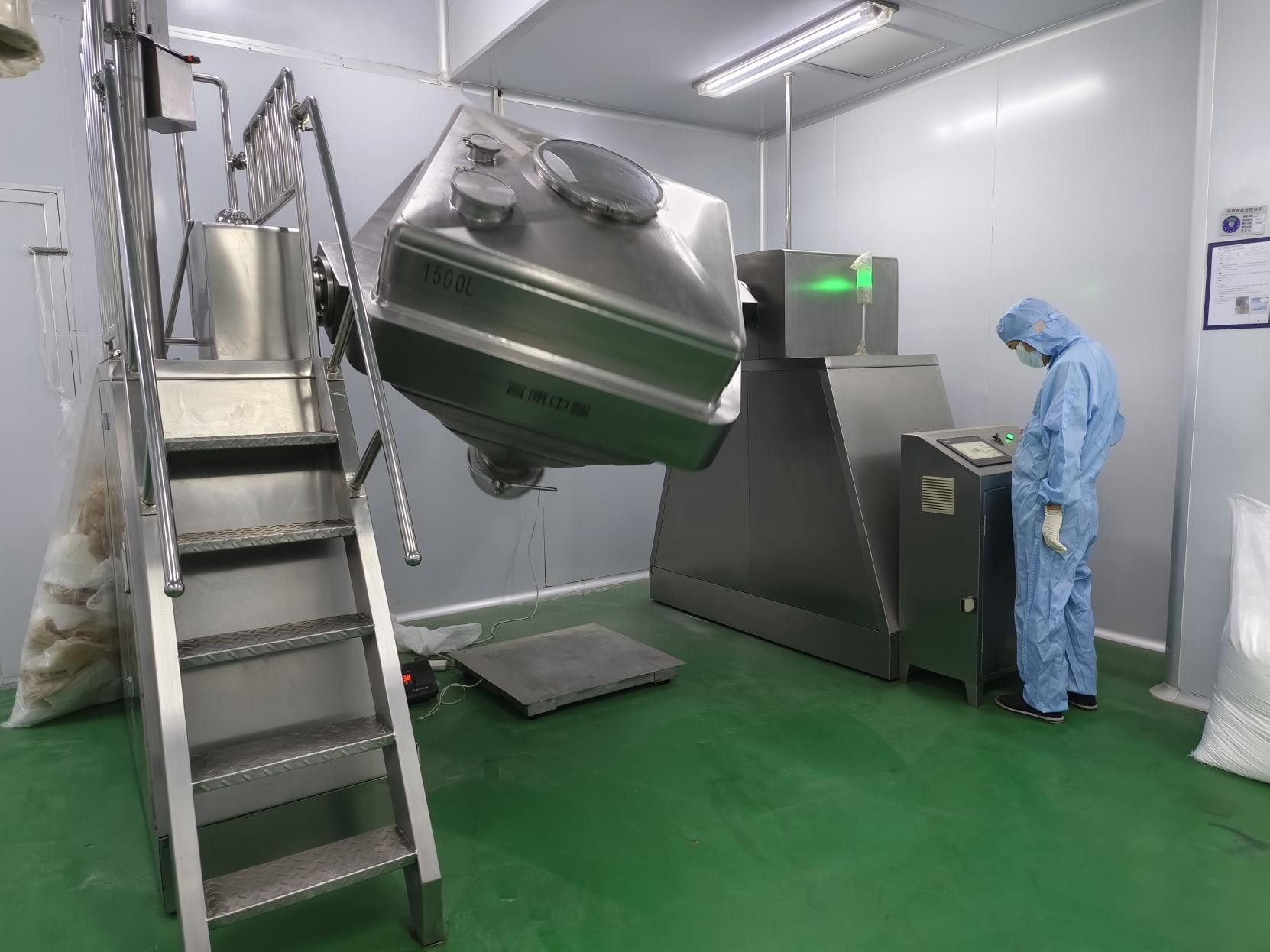
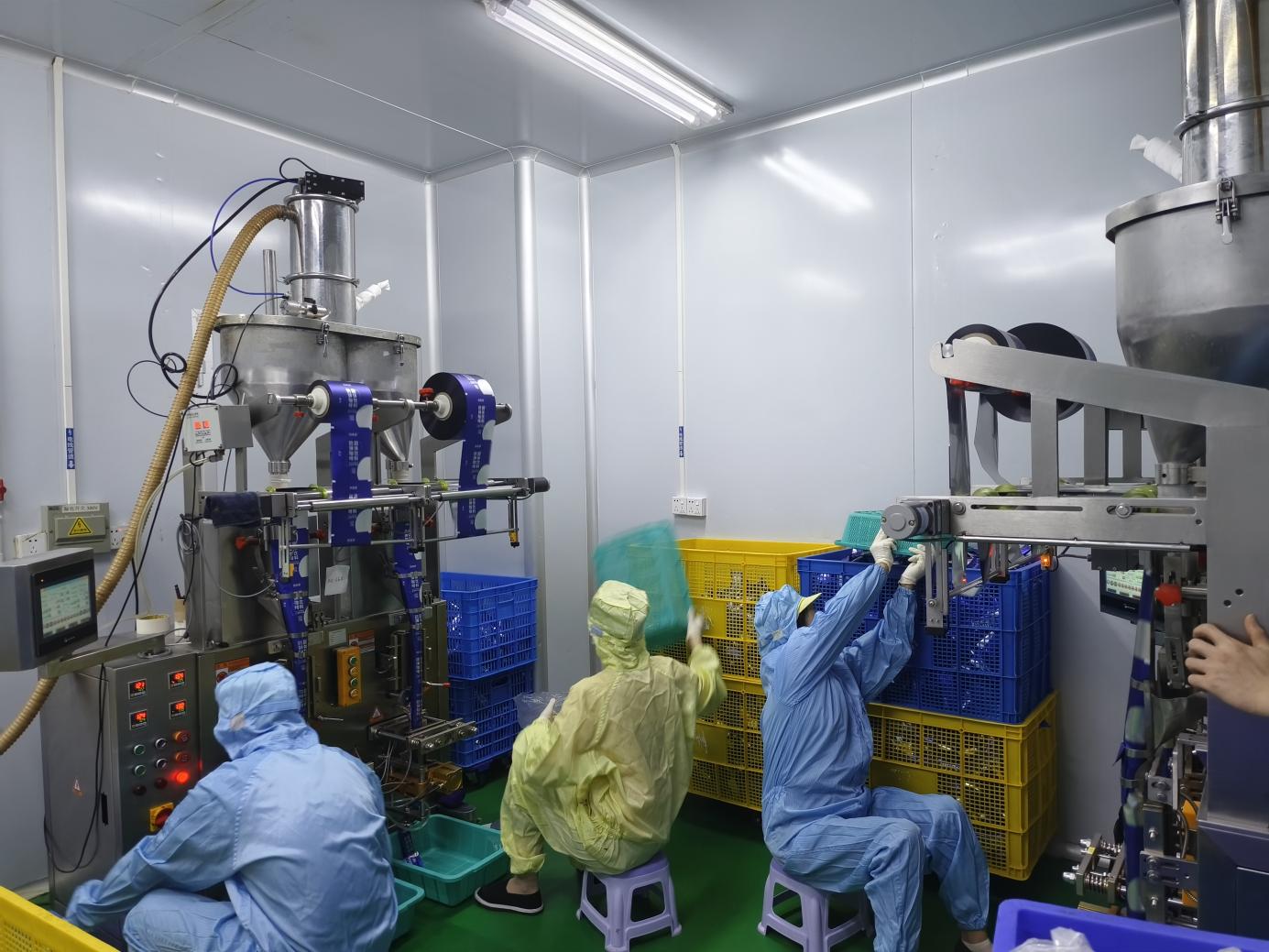
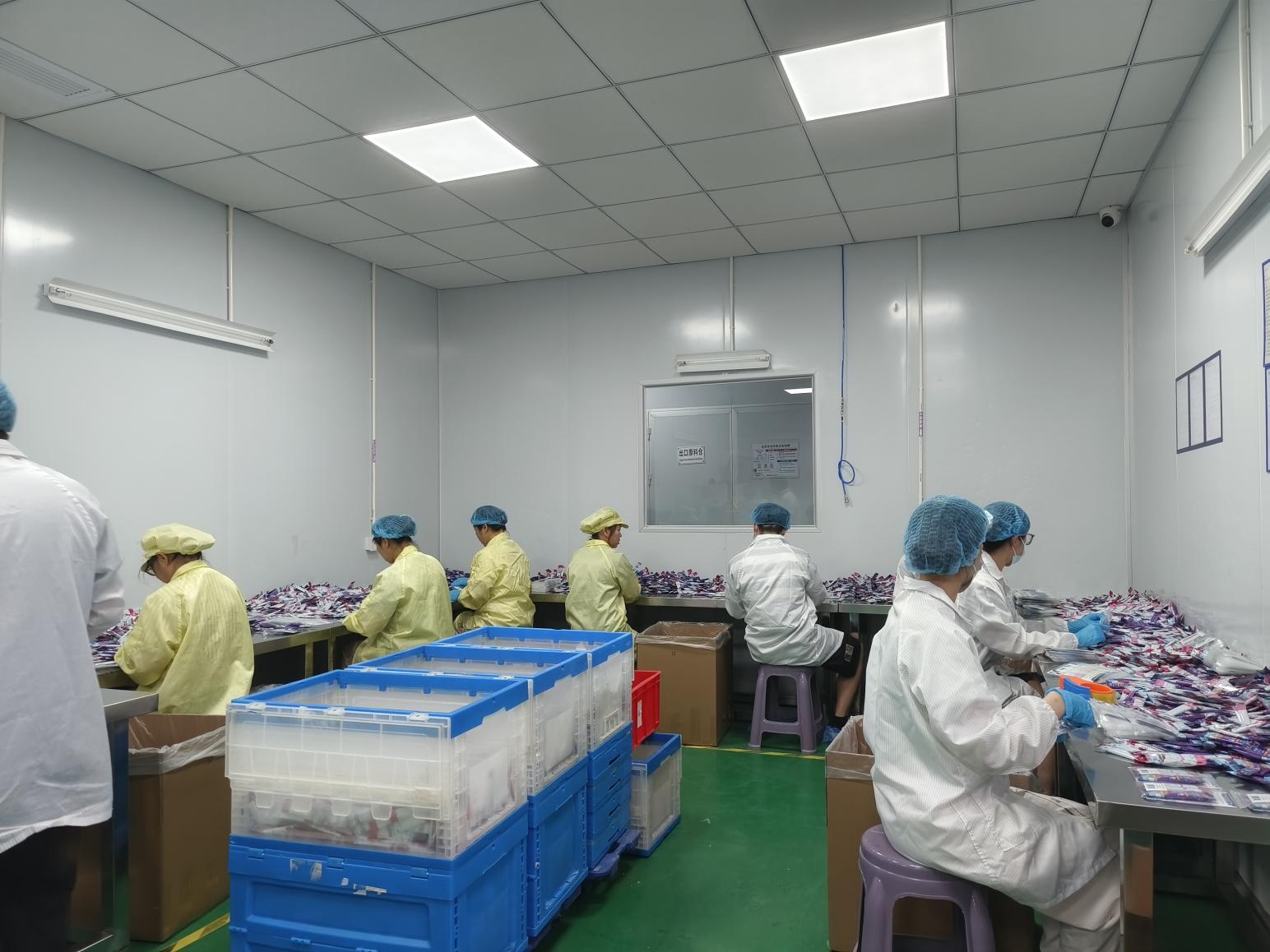
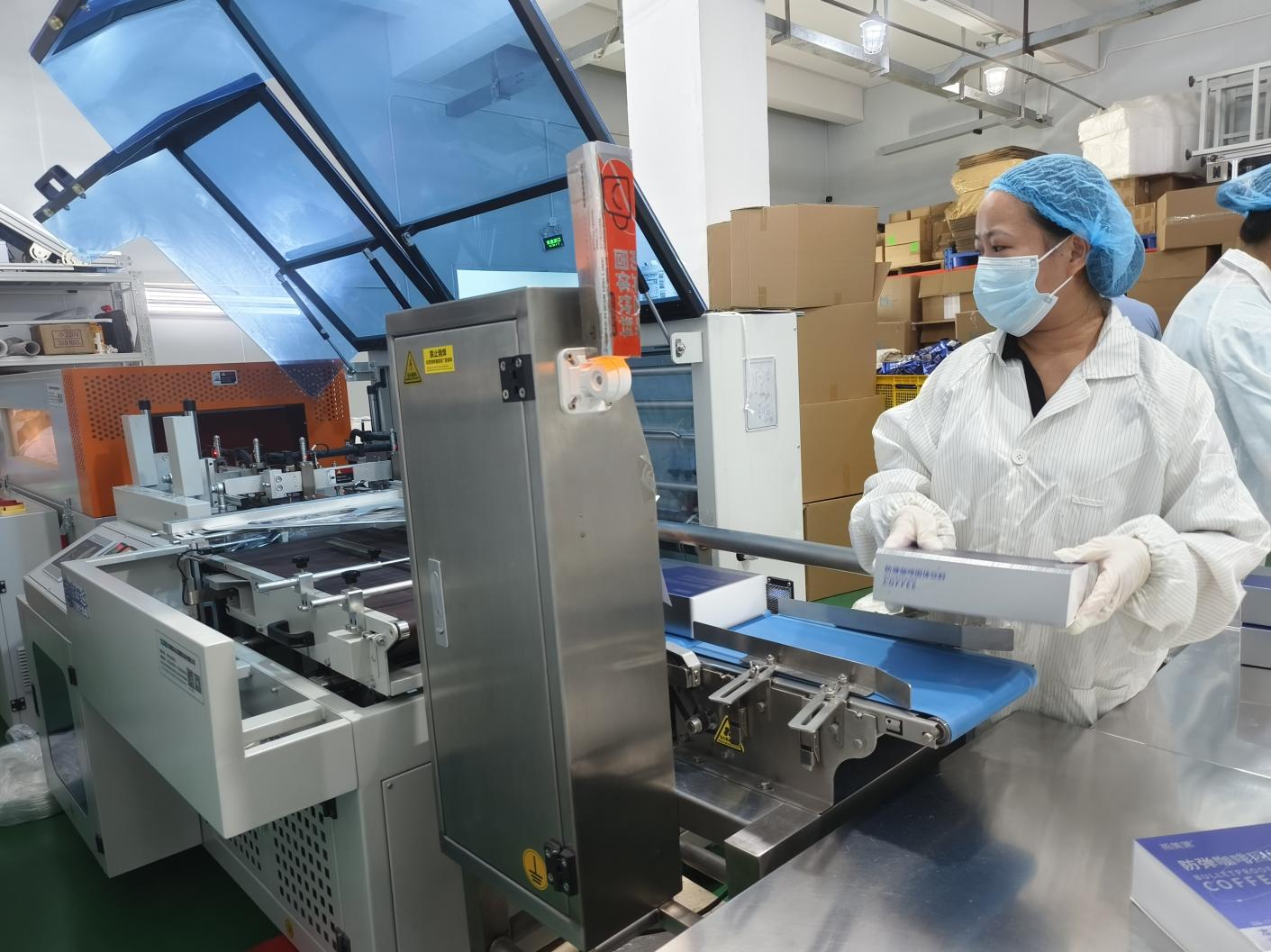
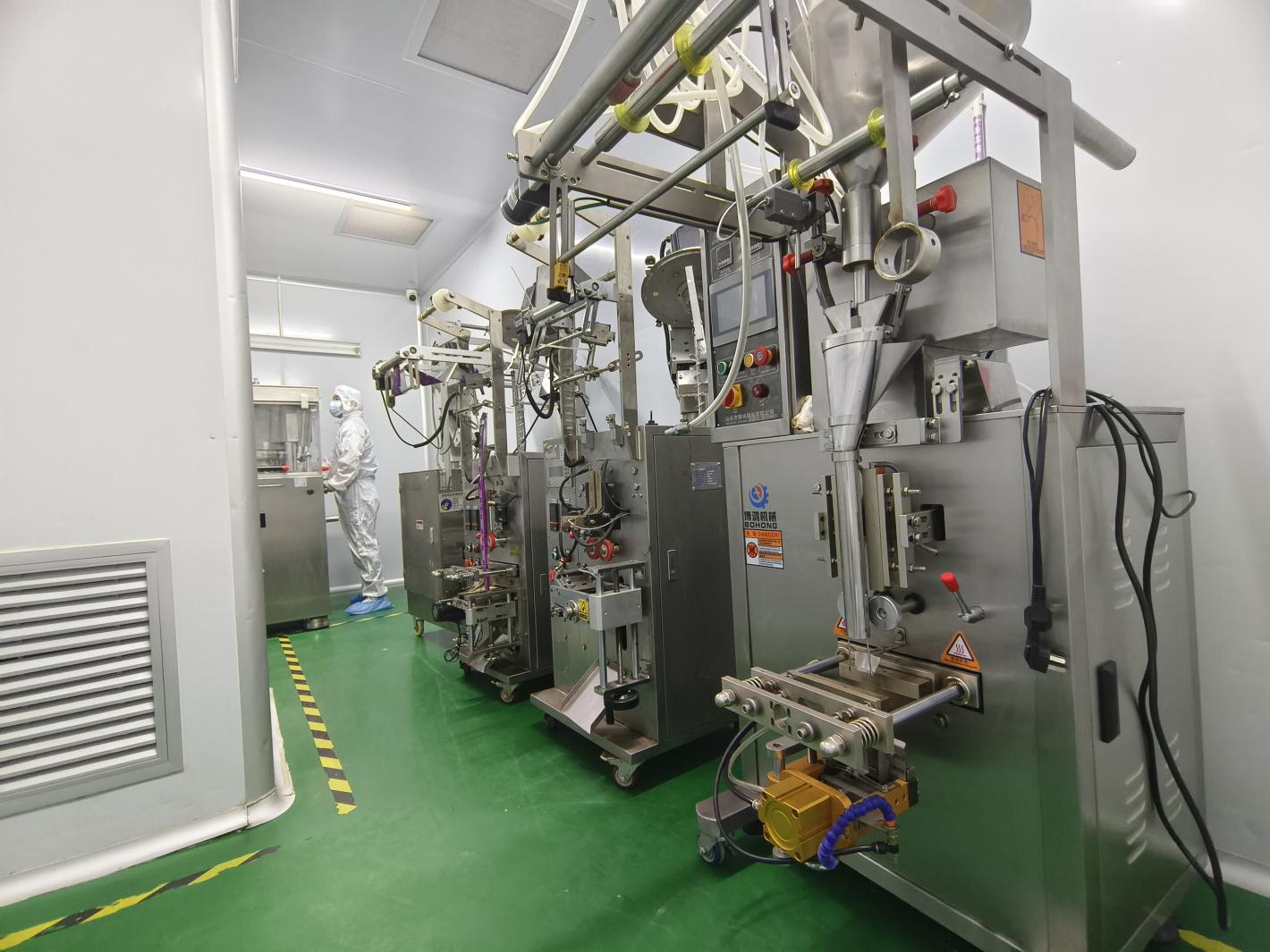
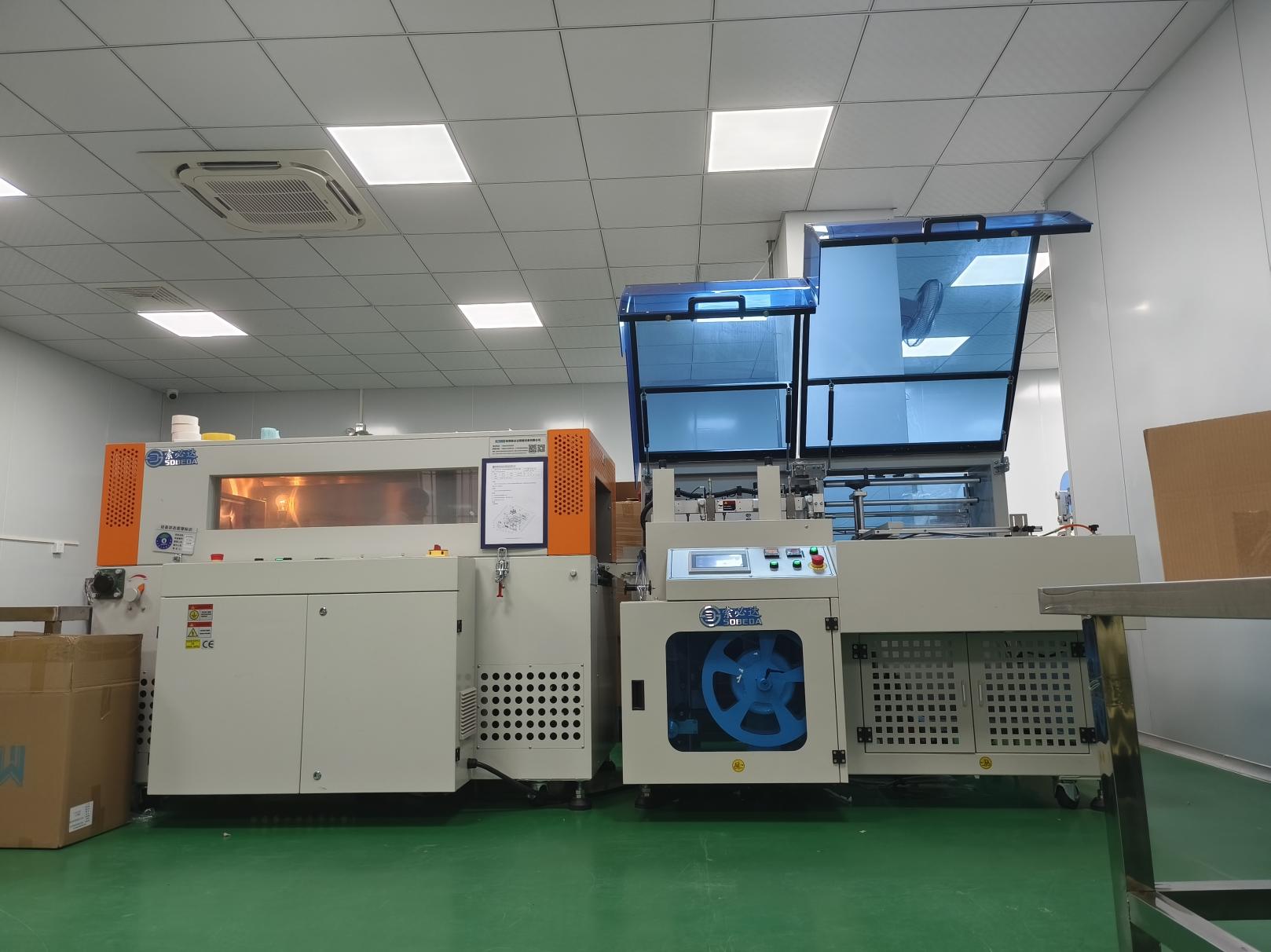
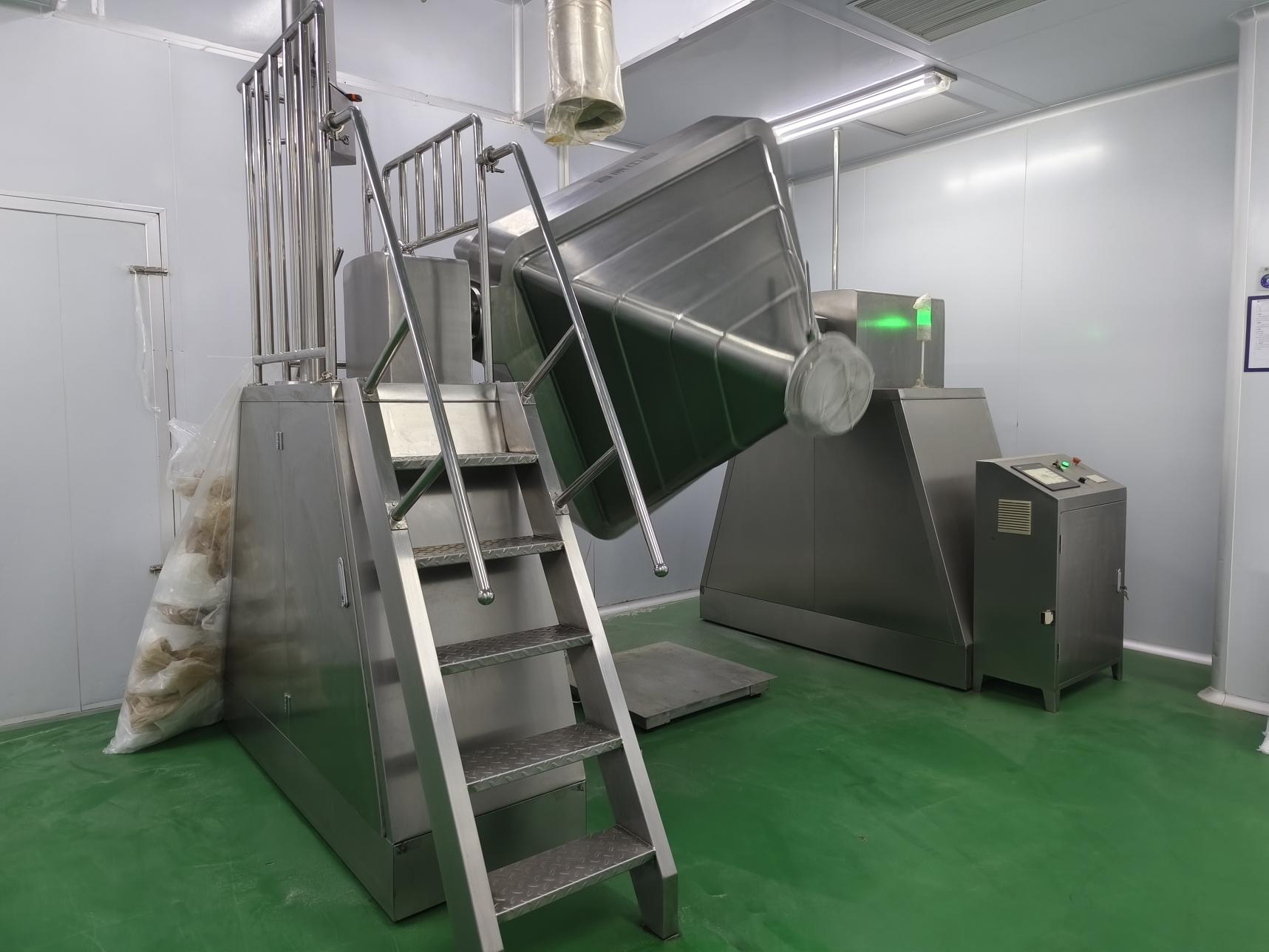
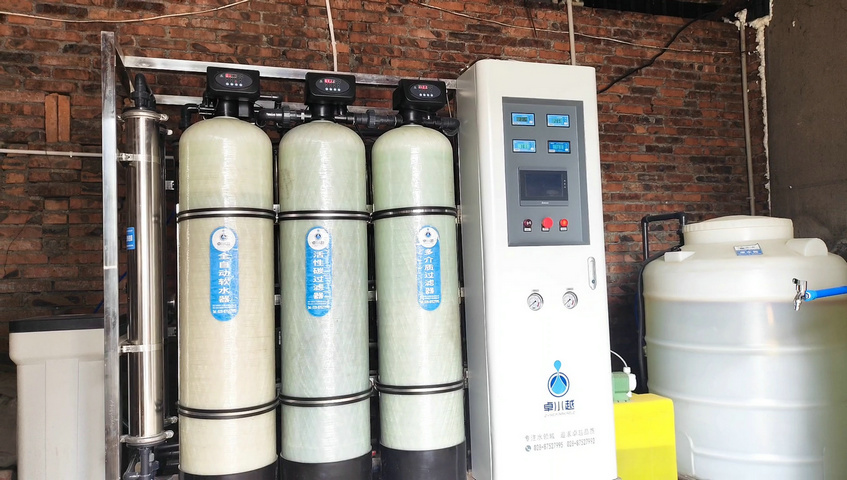
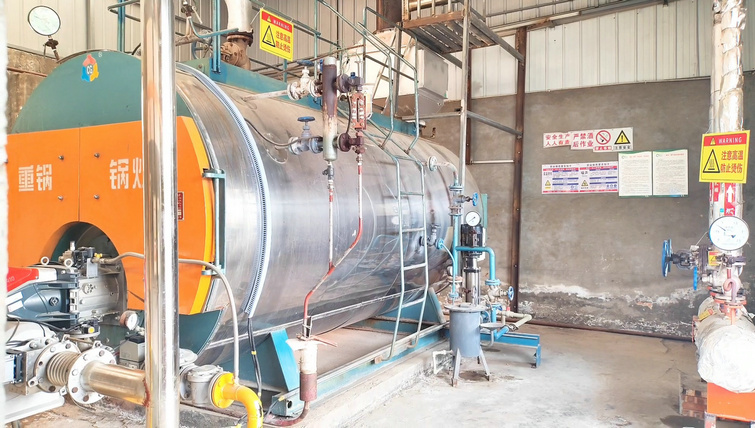
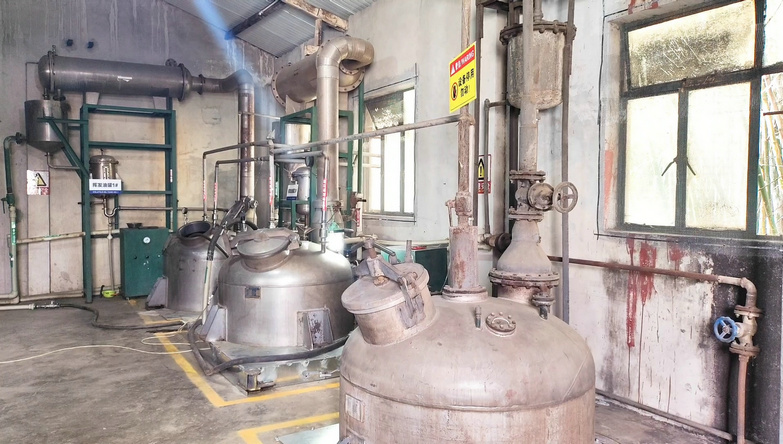
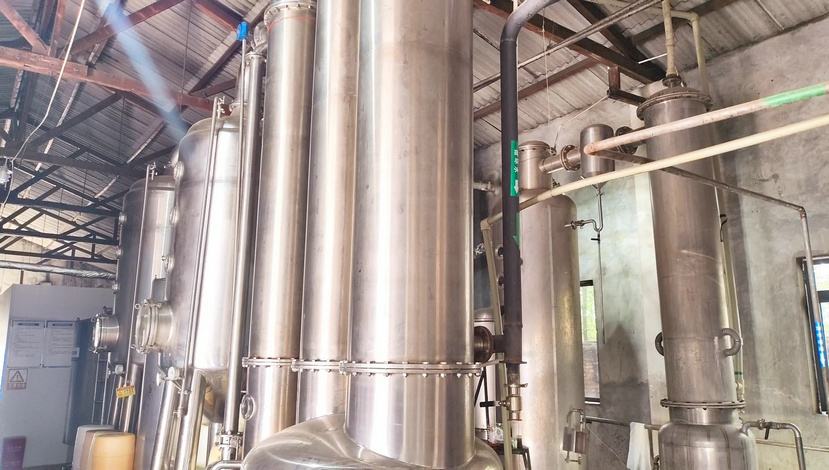
To support the high-volume demand of Mumbai’s industrial zones, raw material supply must be robust, consistent, and traceable. Shaanxi Diaries Biotech Co., Ltd. serves as a reliable gateway to premium manufacturing infrastructures in China. Operating from our state-of-the-art facility in Xi’an, Shaanxi Province, our operations span over 70,000 square meters, featuring modern extraction lines and automated processes designed to guarantee product consistency.
Our production facilities operate under strict GMP-compliant systems. From the initial sourcing of botanical materials through extraction, concentration, purification, and final packaging, every step is rigorously controlled. Our quality inspection center is equipped with advanced analytical instruments (including HPLC, GC, AAS, and spectrophotometers) to verify purity levels, trace metal profiles, and active ingredient consistency. This technological rigor ensures that all shipped materials comply with global and Indian standards, providing peace of mind to buyers in Mumbai.
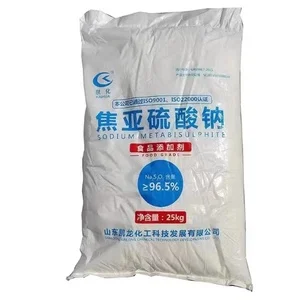
Entering the Indian market requires adhering to strict regulatory protocols managed by national authorities. For food additives and ingredients, compliance with the Food Safety and Standards Authority of India (FSSAI) is mandatory. Every batch of preservatives, such as Sodium Benzoate, Potassium Sorbate, or Sodium Metabisulfite, must fall within specified parameters to ensure safety and prevent custom clearance issues at Nhava Sheva (JNPT) port.
Additionally, for pharmaceutical-grade active ingredients and excipients, registration with the Central Drugs Standard Control Organisation (CDSCO) is essential. For cosmetic raw materials, ingredients must meet Bureau of Indian Standards (BIS) parameters, ensuring they do not contain prohibited substances and are manufactured under safe environmental conditions.
We support our clients in Mumbai with comprehensive document packages, including Certificate of Analysis (COA), Safety Data Sheets (SDS), technical specifications, and regulatory dossiers. Furthermore, our certifications—including HACCP, ISO 22000, ISO 9001, Kosher, Halal, and FDA compliance—facilitate seamless regulatory navigation, enabling manufacturers to confidently incorporate our ingredients into their final products.
Procuring raw ingredients at an industrial scale demands a strategic focus on cost, consistency, and supply chain reliability. For procurement managers located in Mumbai, navigating ocean freight dynamics from Chinese ports to Western India requires a reliable supply chain partner. Below is the framework we implement to ensure smooth delivery:
Prior to confirming container-load orders, we provide analytical-grade samples along with comprehensive technical specifications for pre-shipment laboratory analysis and testing.
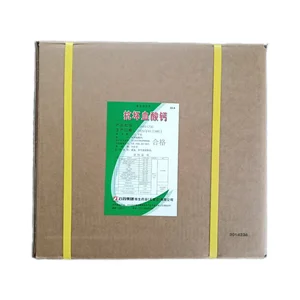
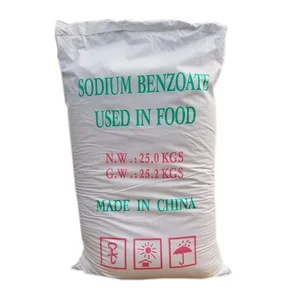
We provide various packaging options, including 25kg multi-layer kraft paper bags, heavy-duty cardboard drums, and custom-labeled plastic woven bags, to accommodate diverse industrial systems.
Utilizing container freight routes from Qingdao, Shanghai, or Shenzhen directly to Nhava Sheva (JNPT) ensures minimal transit times, keeping your production lines running smoothly.
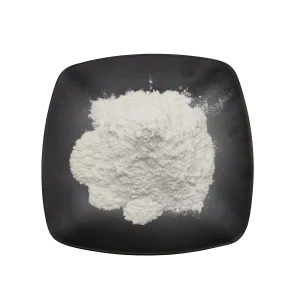
Our comprehensive range of functional antioxidants and preservatives available for direct import.

Technical and logistical insights for importing antioxidants and preservatives to Mumbai.
Seeking to optimize your preservative formulations or secure consistent raw materials for your manufacturing facility in Mumbai? Contact our technical experts today for custom pricing, COA requests, and sample coordination.
Send Inquiry Now Diaries Biotech