Explore our top-performing primary additives tailored for processing under high-humidity and hot tropical environments.
The Republic of the Philippines, as a dynamic archipelagic nation, faces unique challenges in industrial manufacturing, food preservation, and chemical formulation. The combination of a high-temperature, high-humidity tropical climate and a rapidly expanding domestic market places immense stress on product shelf life, cosmetic stability, and industrial polymer integrity. Auto-oxidation and microbiological decomposition are accelerated dramatically under local ambient conditions (averaging 25°C to 34°C with relative humidity levels frequently exceeding 80%).
In the agricultural and aquaculture processing sectors—which form the backbone of the Philippine export economy, including products like dried mangoes, banana chips, canned tuna, and coconut-derived items—retaining color, texture, nutritional value, and fresh aroma is vital. Similarly, the Philippine cosmetics and personal care sector relies heavily on stable formulations to prevent rancidity in botanical oils (such as local virgin coconut oil, or VCO). In the plastic and polymer industries, heat stabilizers and secondary antioxidants are essential to prevent structural degradation during thermal extrusion. Consequently, the demand for specialized, high-purity antioxidant and preservative ingredients has transitioned from standard chemical additions to precision formulation design.
Globally, the food preservative and antioxidant market is undergoing a paradigm shift towards natural, clean-label alternatives while maintaining the cost-effectiveness and raw performance of traditional synthetic agents. Globally, consumers demand less synthetic impact without compromising food safety. This tension has driven manufacturers to innovate dual-action systems: combining plant-derived organic acids (like Phytic Acid) with optimized synthetic oxygen scavengers (like Sodium Erythorbate) or traditional antimicrobials (like Potassium Sorbate and Sodium Benzoate).
In the polymer manufacturing sector, processing stabilizers like Antioxidant 168 (an organophosphite helper stabilizer) remain the global gold standard for protecting polyolefins (PE, PP, PVC) against oxidative degradation during compounding and molding. These compounds must maintain high thermal stability and low volatility, ensuring the long-term structural integrity of pipes, profiles, and packaging films. At Shaanxi Diaries Biotech Co., Ltd., we combine our state-of-the-art plant extraction lines with synthetic chemical synthesis capabilities to deliver a comprehensive, globally verified portfolio of high-purity industrial and food-grade antioxidants and preservatives.
To succeed in the competitive Philippine manufacturing market, ingredients must be chosen based on their specific chemical behavior in local product matrices:
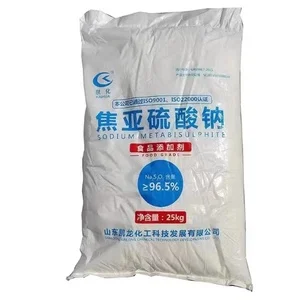
Preventing enzymatic browning in Cebu dried mangoes and retaining color in General Santos tuna exports. Using Sodium Metabisulfite and Sodium Erythorbate ensures stable discoloration prevention and sulfur dioxide control.
Utilizing 4-Hydroxyacetophenone and Ethyl Gallate in oil-in-water emulsions to prevent rancidity of natural coconut-based oils while enhancing overall microbiological resistance in local personal care products.
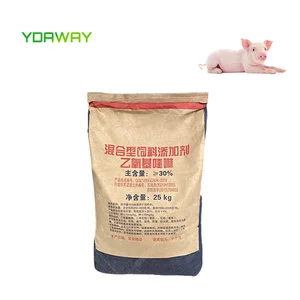
Protecting vulnerable lipids and fat-soluble vitamins (A, E, D) in feed mixtures under high tropical heat. Utilizing Ethoxyquin powder protects feed rations from oxidative rancidity during storage.
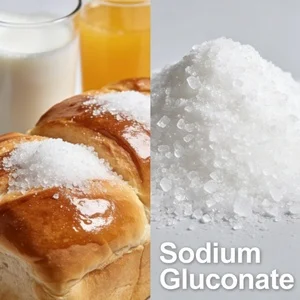
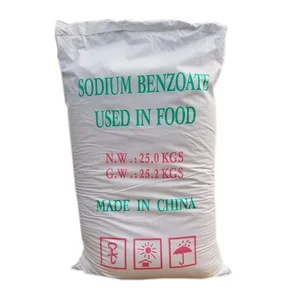
In highly humid regions like Luzon or Mindanao, single-ingredient preservation often fails. For instance, in soft beverages, combining Potassium Sorbate and Sodium Benzoate provides robust yeast and mold inhibition across a broader pH range than using either preservative alone. Additionally, adding metal chelating agents such as Sodium Gluconate or plant-based Phytic Acid deactivates trace transition metal ions (like Iron and Copper), which would otherwise catalyze free-radical oxidation. This synergistic formulation extends the physical, sensory, and chemical stability of the final product.
Importing and formulating with raw materials in the Philippines requires strict alignment with local and international regulatory frameworks. The main regulatory bodies overseeing these ingredients are the Food and Drug Administration (FDA) of the Philippines, governed by Republic Act No. 9711, and the Bureau of Agriculture and Fisheries Standards (BAFS) for feed additives.
Understanding the exact chemical pathways of our antioxidant and preservative catalog is essential for optimizing formulations and preventing degradation:
Lipid oxidation in food and cosmetic matrices proceeds through a free-radical chain reaction containing initiation, propagation, and termination phases. Light, heat, and trace metal ions generate reactive oxygen species (ROS) that attack unsaturated fatty acids, forming volatile aldehydes and ketones that cause rancidity. Our primary antioxidants, such as Ethyl Gallate and Calcium Ascorbate, function as hydrogen donors. They neutralize alkyl, alkoxy, or peroxy radicals by donating a hydrogen atom, creating stable, low-energy antioxidant radicals that do not propagate the chain reaction. In contrast, Sodium Erythorbate (E316) acts as an oxygen scavenger, reacting directly with dissolved oxygen to form dehydroerythorbic acid, protecting delicate pigments (such as myoglobin in cured meats) from oxidation-driven discoloration.
Transition metals (especially Fe2+ and Cu2+) act as strong pro-oxidants by accelerating the decomposition of lipid hydroperoxides into highly reactive alkoxy radicals. Organic chelators, such as Sodium Gluconate and Phytic Acid, feature multiple hydroxyl and carboxyl groups that form highly stable ring-structured coordination complexes around these metal ions. This deactivates their catalytic activity, preventing the initiation of the oxidation cascade.
Preservatives like Potassium Sorbate, Sodium Benzoate, and Sodium Diacetate are weak organic acids. Their antimicrobial efficacy is highly dependent on pH. In their undissociated form, these molecules are lipophilic, allowing them to freely cross the cell membrane of target microorganisms (yeasts, molds, and bacteria). Once inside the neutral cytoplasm, the acid dissociates into protons and anions, disrupting the cell's proton motive force, lowering intracellular pH, and disabling key metabolic enzymes, which ultimately leads to cell death. Sodium Diacetate also acts as a powerful mold inhibitor by releasing free acetic acid inside grains and feedstuffs, protecting agricultural resources during storage.
The future of preservation technology in the ASEAN region points towards sustainable, bio-based solutions and active packaging materials. As regulatory scrutiny increases on synthetic ingredients, research focuses on natural compound synergies. We are at the forefront of this trend, developing plant-based Phytic Acid formulations that offer metal chelation and antioxidant properties equal to synthetic EDTA. Additionally, the development of intelligent, active packaging materials containing slow-release volatile preservatives (such as sodium metabisulfite derivatives) holds great promise for keeping agricultural exports fresh during sea transport without direct chemical washing.
Expert insights on using preservatives and antioxidants under tropical processing conditions.
Take a look inside the modern manufacturing base of Shaanxi Diaries Biotech Co., Ltd., located in Xi’an, China, spanning over 70,000 square meters.
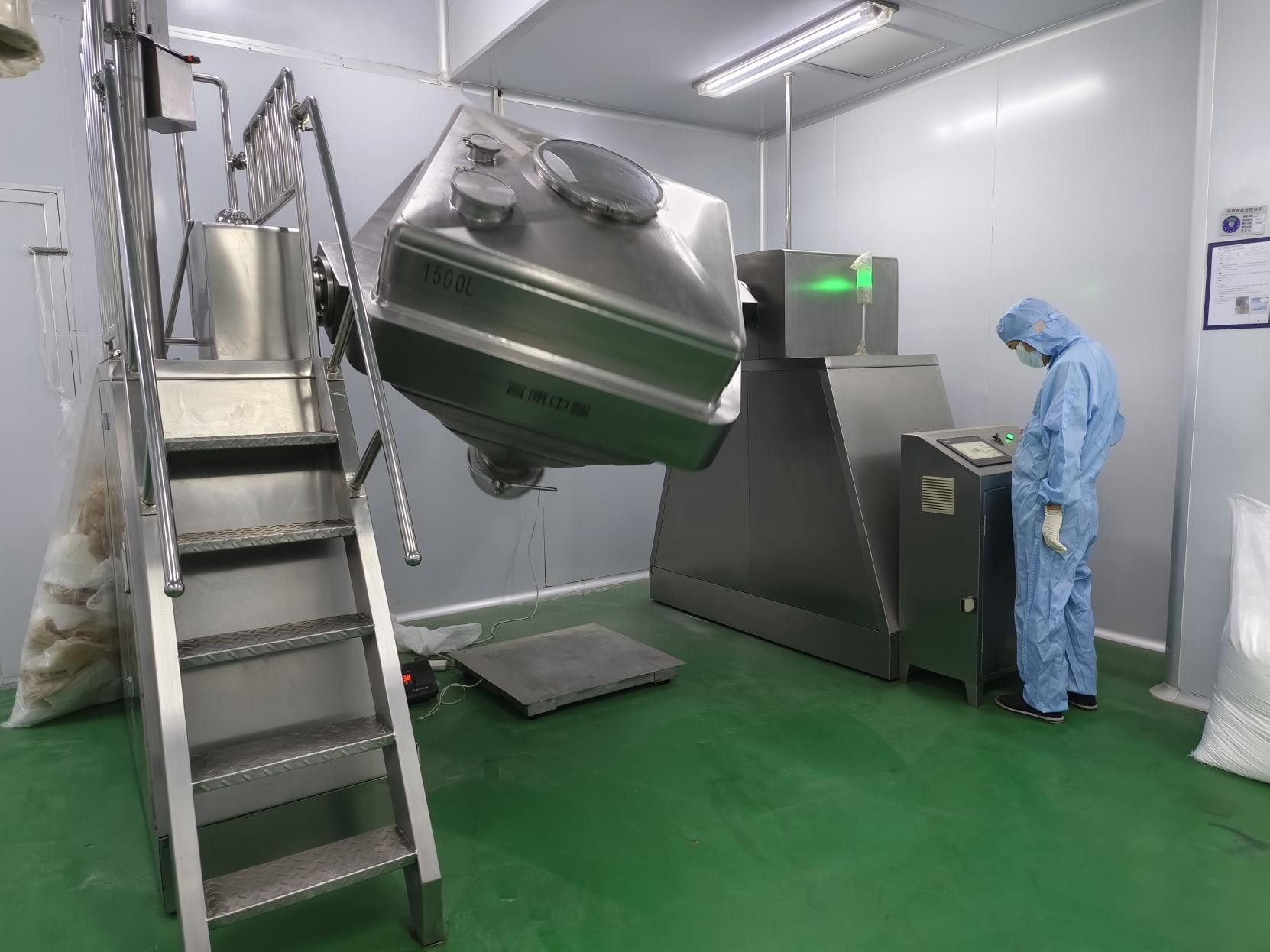
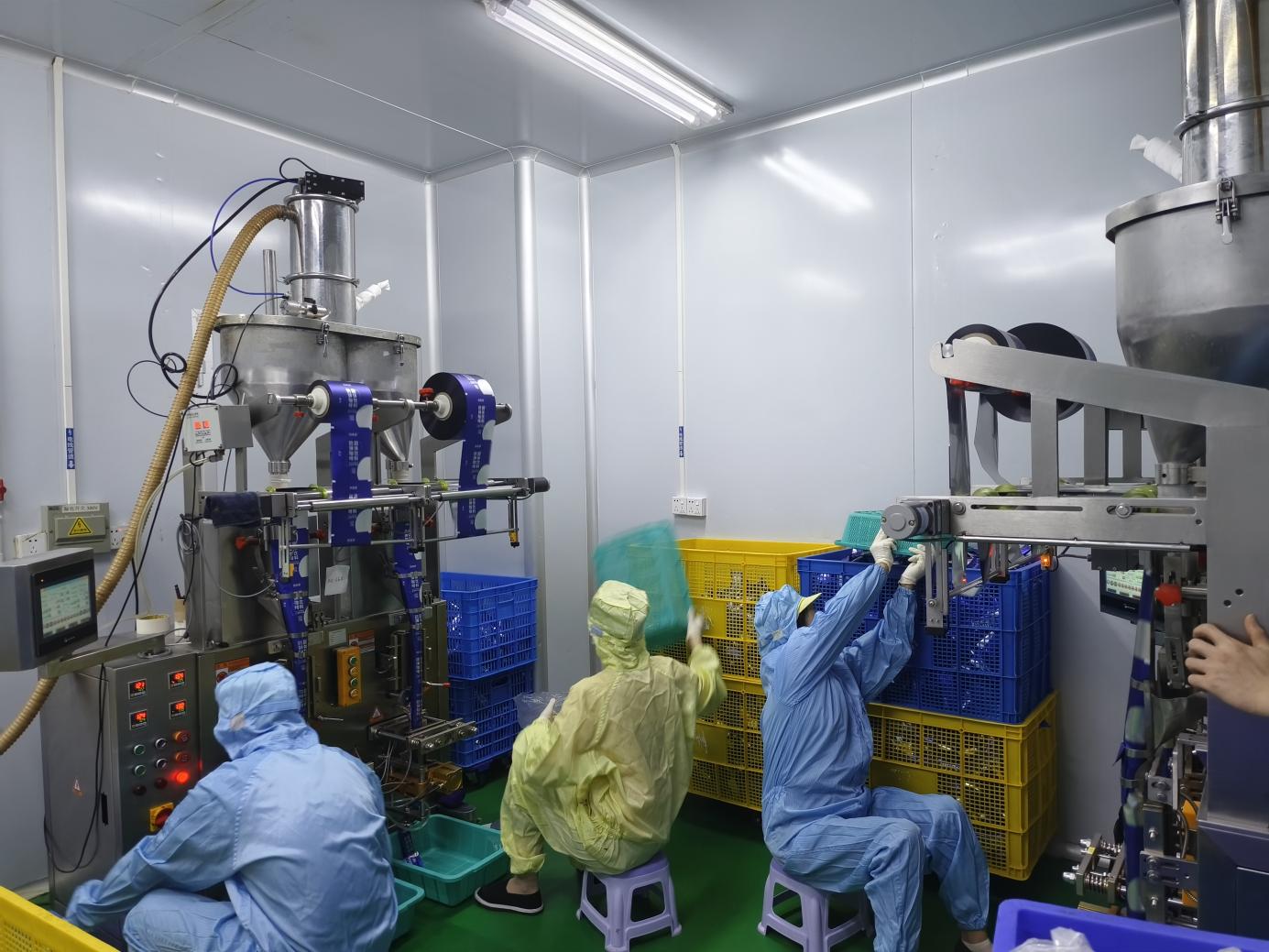
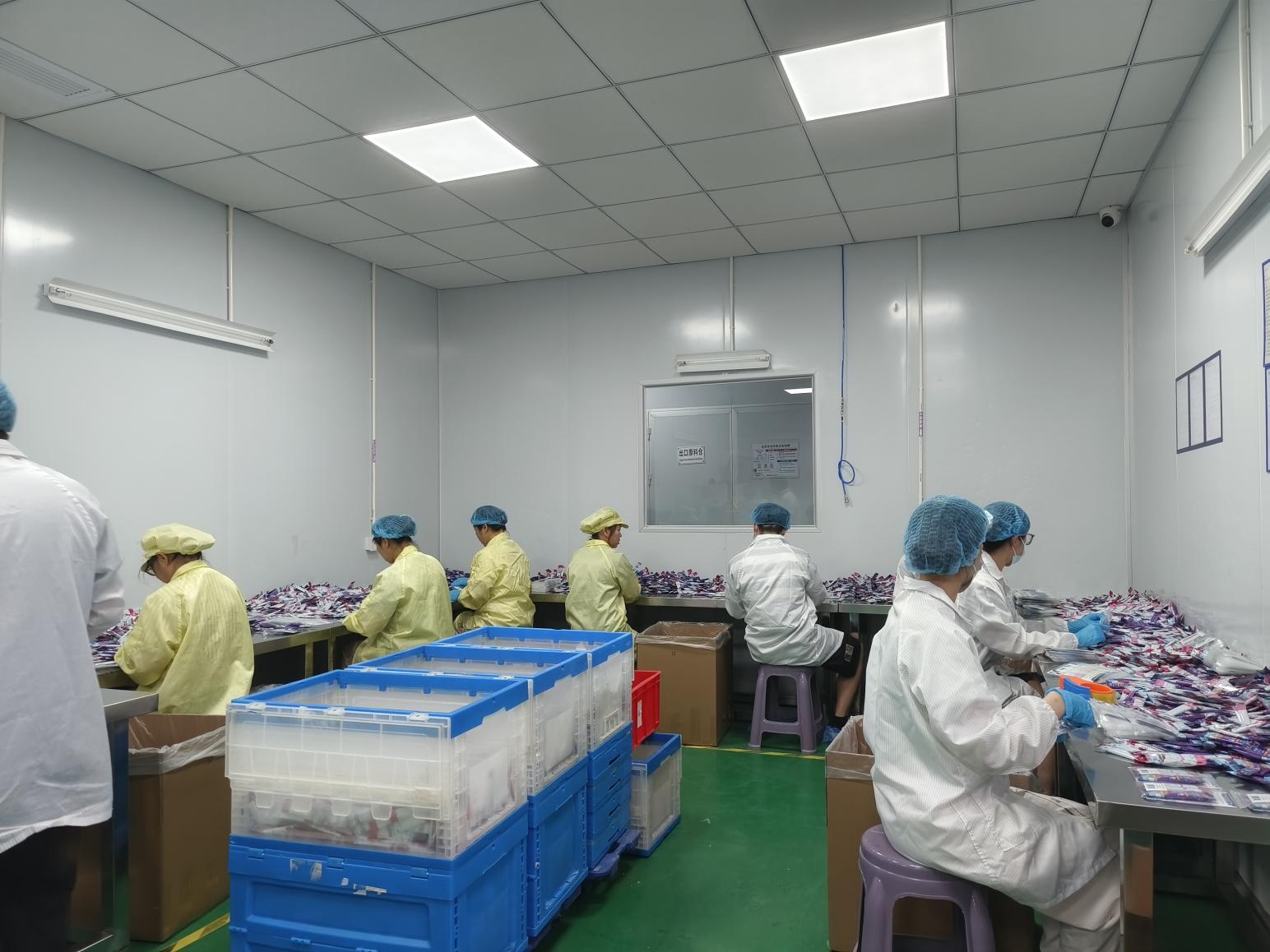
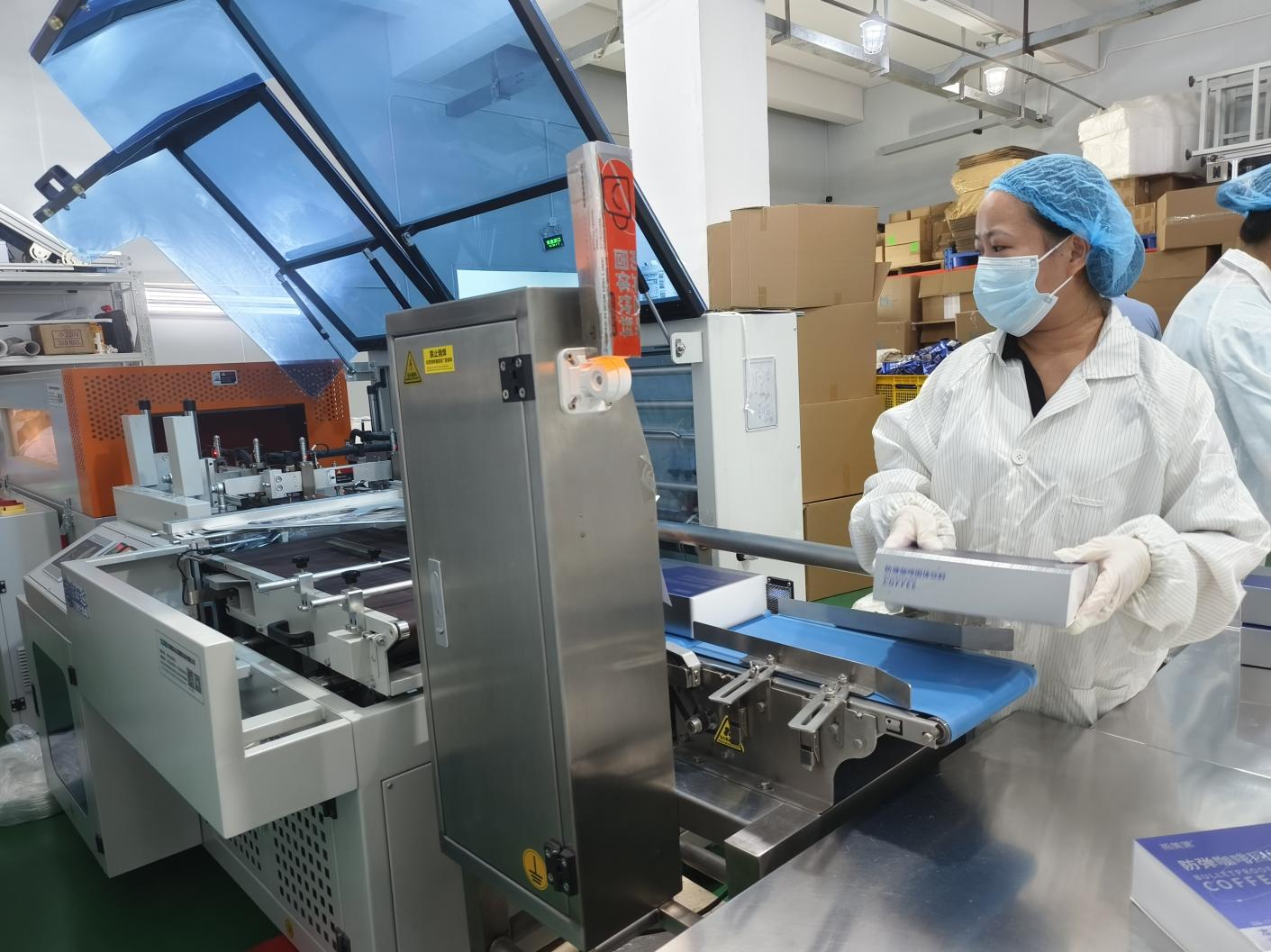
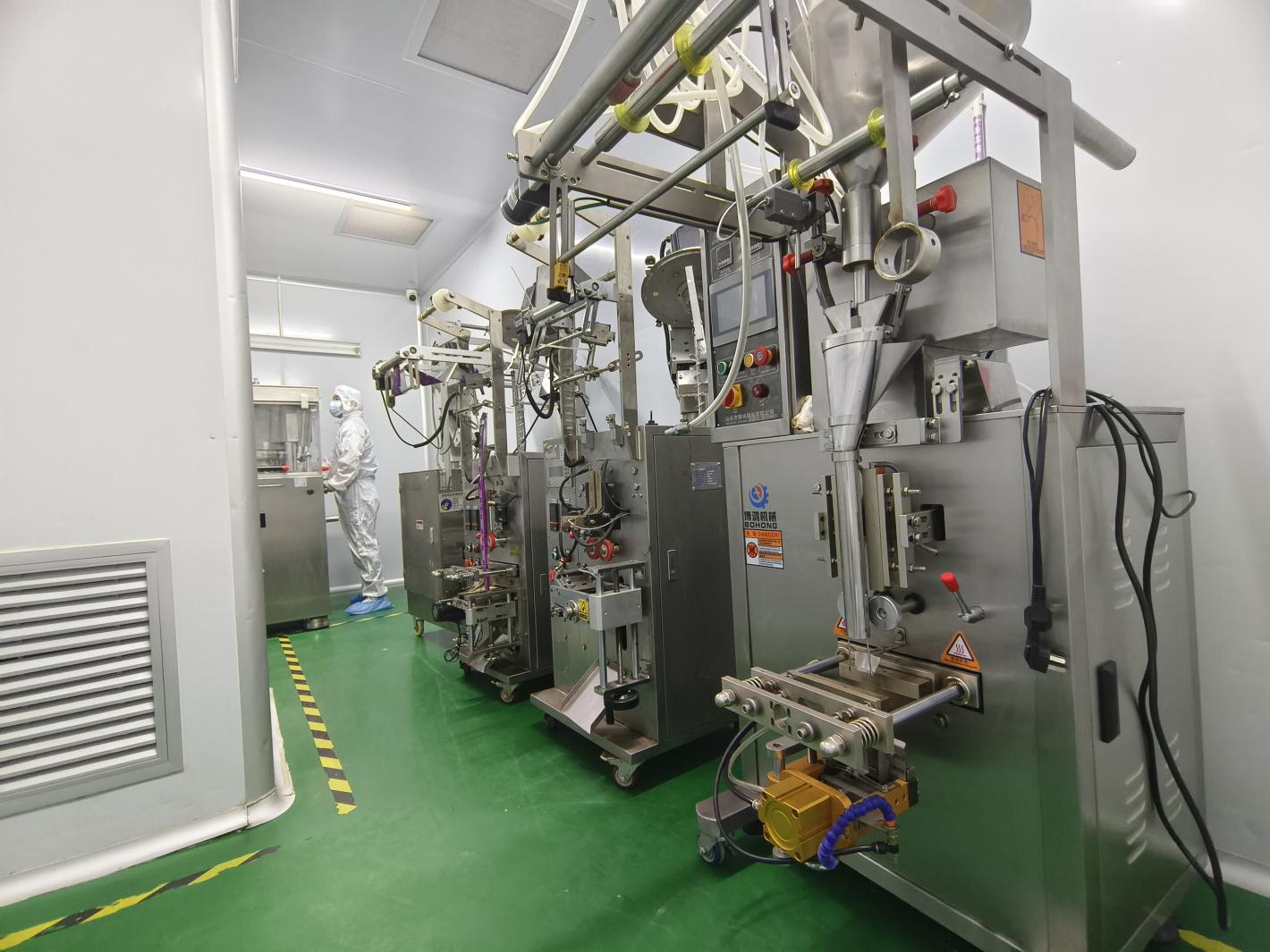
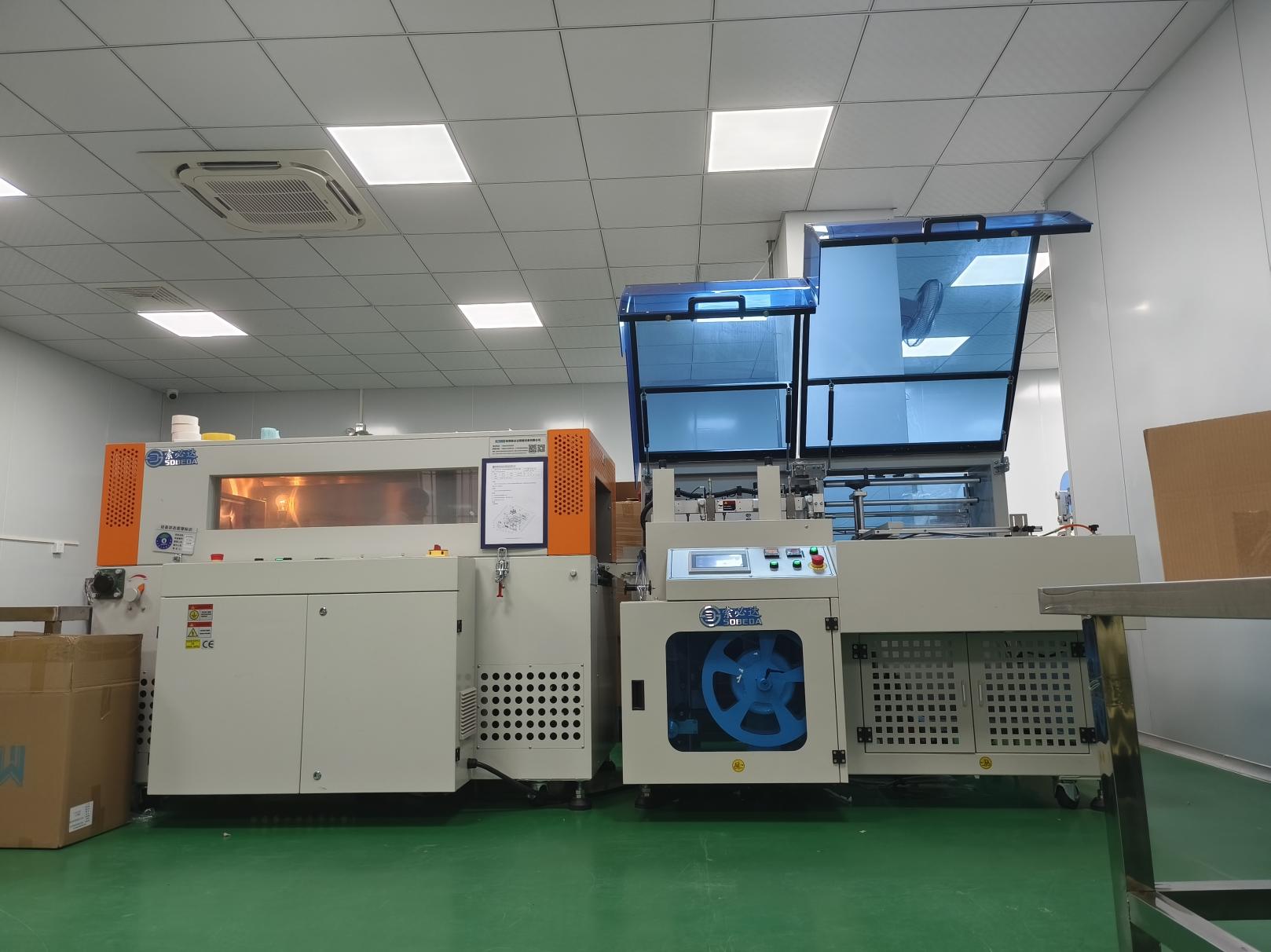
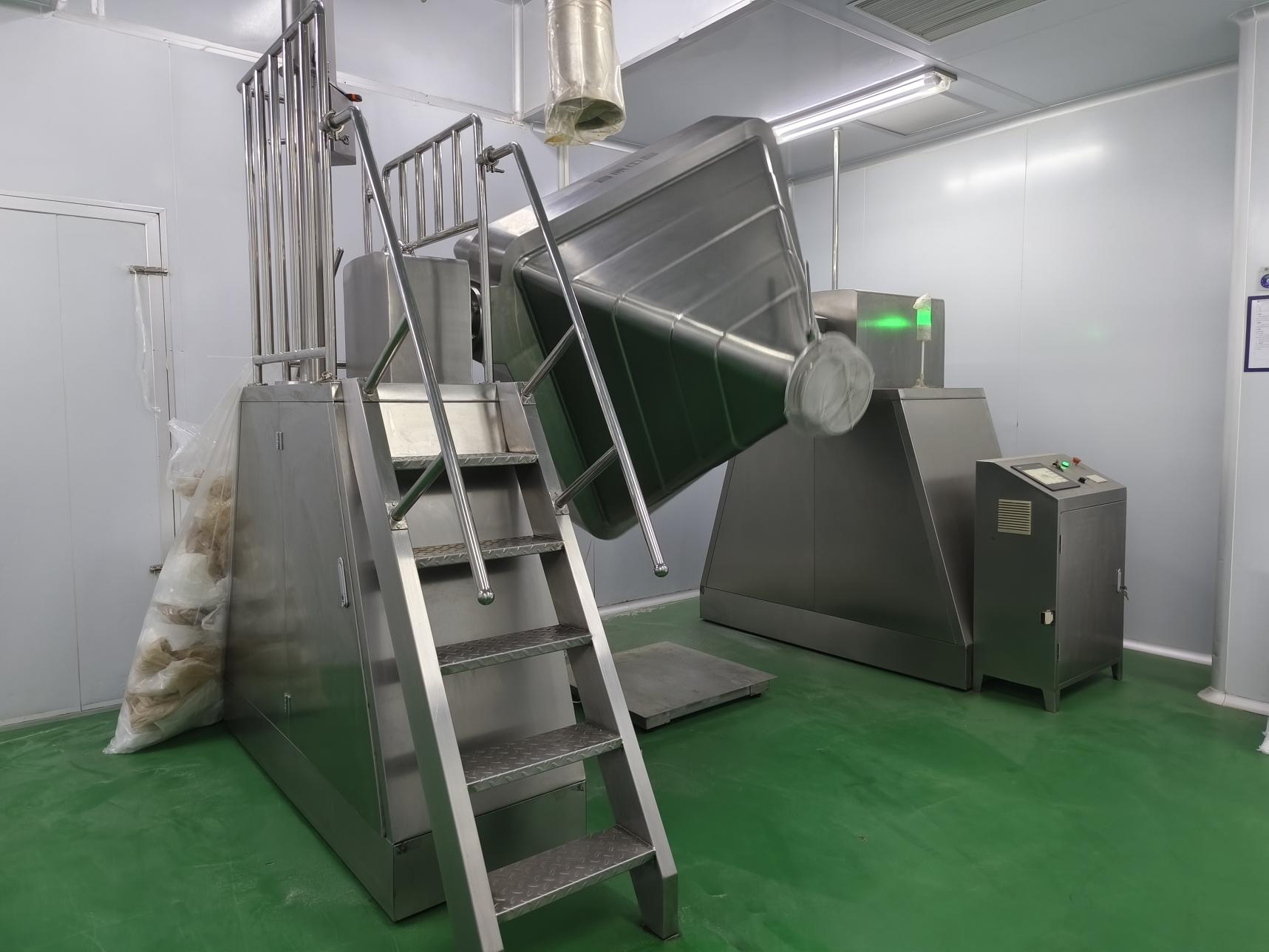
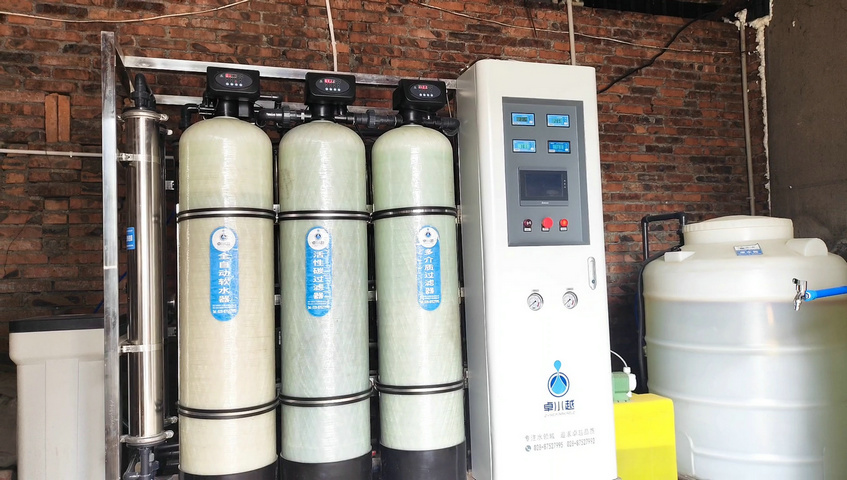
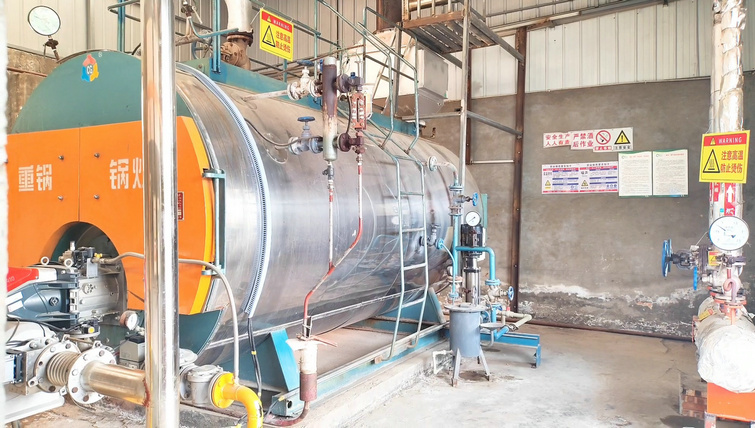
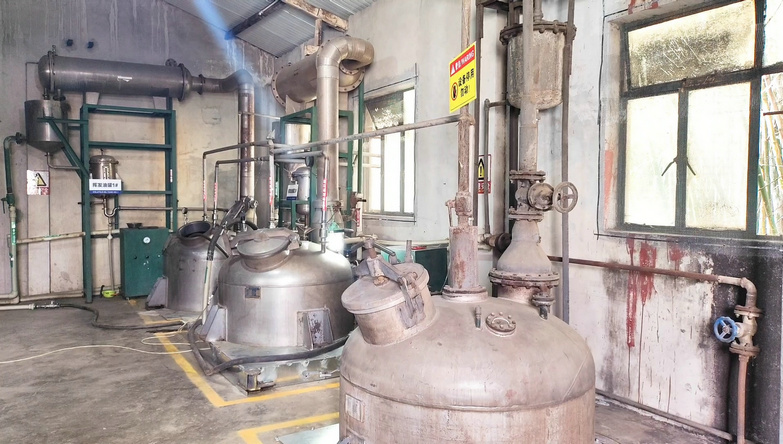
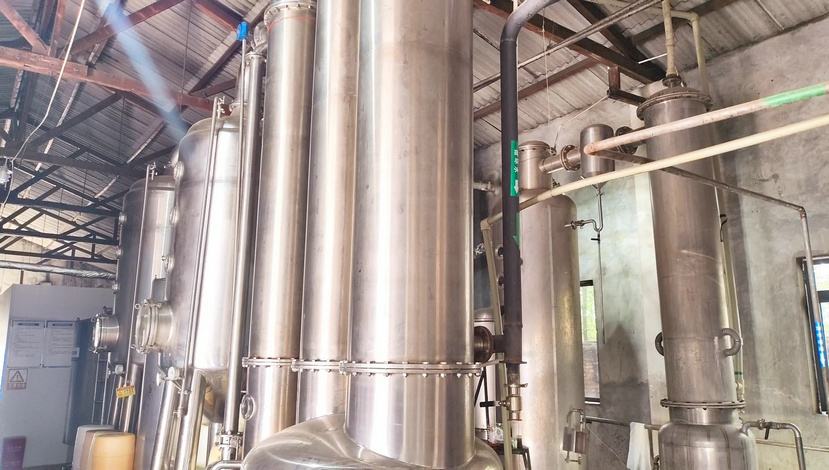
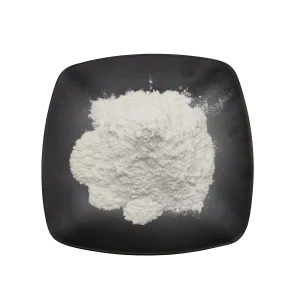
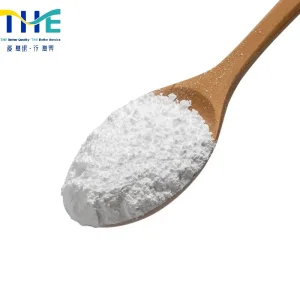
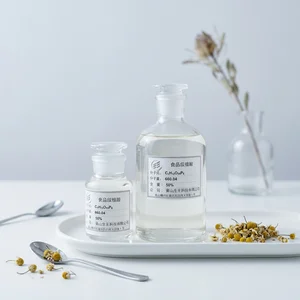
Explore our fully certified raw material line, ready for wholesale export and custom formulation support in the Philippines.
Looking for a tailored preservation or antioxidant solution? Contact Shaanxi Diaries Biotech Co., Ltd. for pricing details, regulatory paperwork, and custom formulations designed for the Philippine market.
Send Inquiry Now Diaries Biotech