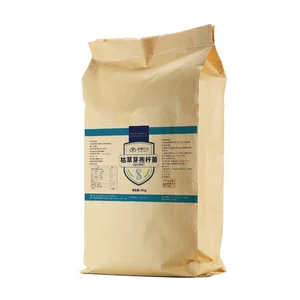
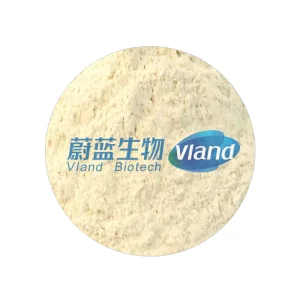
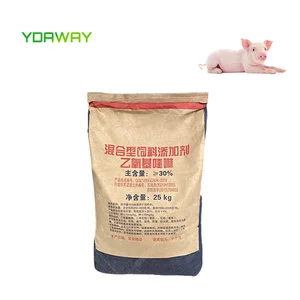
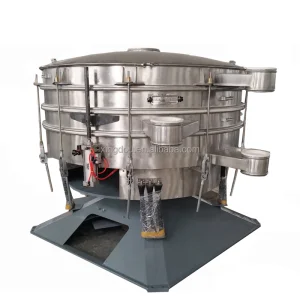
Select premium catalog items showing standard specifications from leading Chinese biological manufacturing facilities.
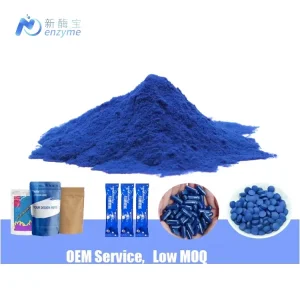
Industrial fermentation lies at the intersection of classical biology and cutting-edge synthetic biochemistry. Globally, the demand for bio-fermented ingredients is experiencing exponential growth, driven by a paradigm shift towards natural, clean-label, bio-equivalent, and highly bioavailable ingredients. From pharmaceutical-grade L-amino acids to functional cosmetic compounds (e.g., Bakuchiol and specific organic acids) and specialized food enzymes, micro-organisms serve as precision bio-factories.
This technology bypasses traditional resource-intensive chemical synthesis and agricultural extraction, providing a sustainable, resilient, and standardized source of compounds. In terms of global market penetration, biological fermentation is no longer a niche technology; it is the cornerstone of sustainable supply chains across the food, beverage, health supplement, animal husbandry, and personal care industries.
The Strategic Shift to Precision Fermentation
By optimizing growth parameters (pH, dissolved oxygen, feed rates) and utilizing elite microbial strains (such as engineered yeast or bacteria like Bacillus subtilis), modern factories can guarantee active ingredient purities exceeding 99% with exceptionally low impurity profiles.
Understanding the raw material integration, utility cost efficiency, and advanced engineering capacities of Chinese factories.
Industrial fermentation requires vast amounts of carbon sources (such as glucose, sucrose, and starch) and nitrogen sources. China's agricultural integration ensures that fermentation plants are strategically situated close to primary corn and crop-processing hubs. This localized loop cuts feedstock logistics and minimizes fluctuations in manufacturing overheads.
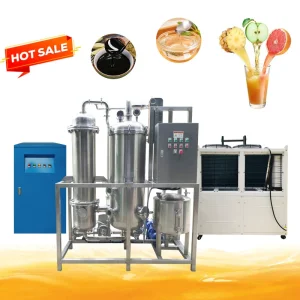
Chinese manufacturers operate multi-ton fermenters and automated downstream processing lines (using modern falling film evaporators, high-pressure chromatography, and continuous crystallization systems). Process optimizations that might take years elsewhere are completed rapidly in China, ensuring rapid iteration of production yields.
Top-tier Chinese factories operate under international guidelines. By adhering strictly to GMP (Good Manufacturing Practice), HACCP, and ISO protocols, exporters provide products that easily pass stringent FDA, EFSA, and regional regulatory checks. This compliance ensures high traceability across batch lots.
An authoritative, high-tech enterprise at the forefront of natural raw materials and functional ingredients.
Shaanxi Diaries Biotech Co., Ltd. is a modern high-tech enterprise specializing in the research and development, production, and global distribution of plant extracts, natural raw materials, and functional ingredients for the health, food, and cosmetic industries.
With strong technical expertise and advanced manufacturing capabilities, the company is committed to providing high-quality, safe, and effective natural solutions to customers worldwide. Our products are widely used in dietary supplements, functional foods and beverages, cosmetics, personal care products, animal nutrition, and agricultural applications.
Over the years, Shaanxi Diaries Biotech has built long-term partnerships with more than 5,000 companies across over 80 countries and regions, earning a strong reputation for reliability, consistency, and innovation in the natural ingredients industry.
Our Main Products Include: Plant extract powders, standardized herbal extracts, fruit and vegetable powders, botanical raw materials, and customized functional ingredient solutions tailored to customer requirements. We also provide professional OEM/ODM services, including formulation support, product development, and private label manufacturing to meet diverse market needs.
Compliance & Certifications Matrix
Our facilities comply with strict quality management systems and are certified under globally recognized bodies, including: HACCP, ISO22000, ISO9001, USDA Organic, EU Organic, Kosher, Halal, and FDA.
How distinct commercial sectors deploy fermented active molecules to enhance formula efficacy and product shelf-life.
Fermentation breaks down complex molecules into smaller, highly bioavailable fractions that penetrate the skin barrier with ease. For instance, fermented active ingredients like Bakuchiol (a natural retinol alternative) and organic preservatives protect skin structure, stimulate collagen production, and reduce trans-epidermal water loss (TEWL) without irritation.
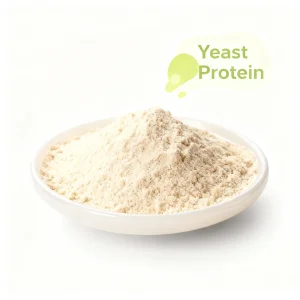
Enzymes (such as Aminopeptidase) and plant proteins (like Yeast Protein Isolate) serve as nutritional enhancers, texture modulators, and flavor enhancers. Fermentation optimizes plant protein profiles by reducing off-flavor notes, removing anti-nutrients (like phytates), and improving protein solubility and digestibility in vegan and vegetarian formulations.
Probiotic strains (e.g., Bacillus Licheniformis) are highly effective feed additives that support gut microflora stability in livestock, fish, and pets. They synthesize extracellular enzymes (proteases, amylases, lipases) that improve feed conversion ratios (FCR) and support animal immunity naturally, reducing reliance on veterinary antibiotics.
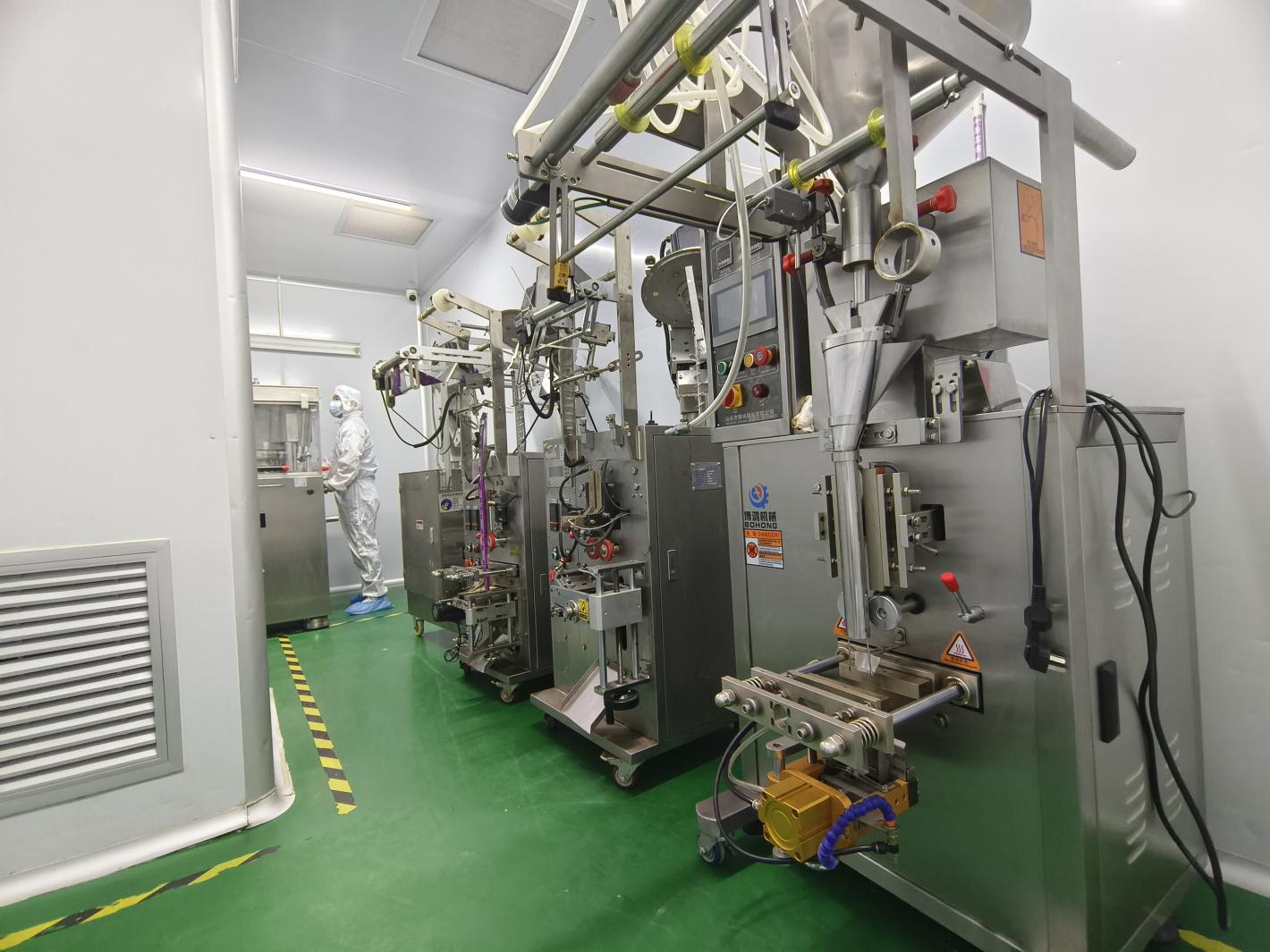
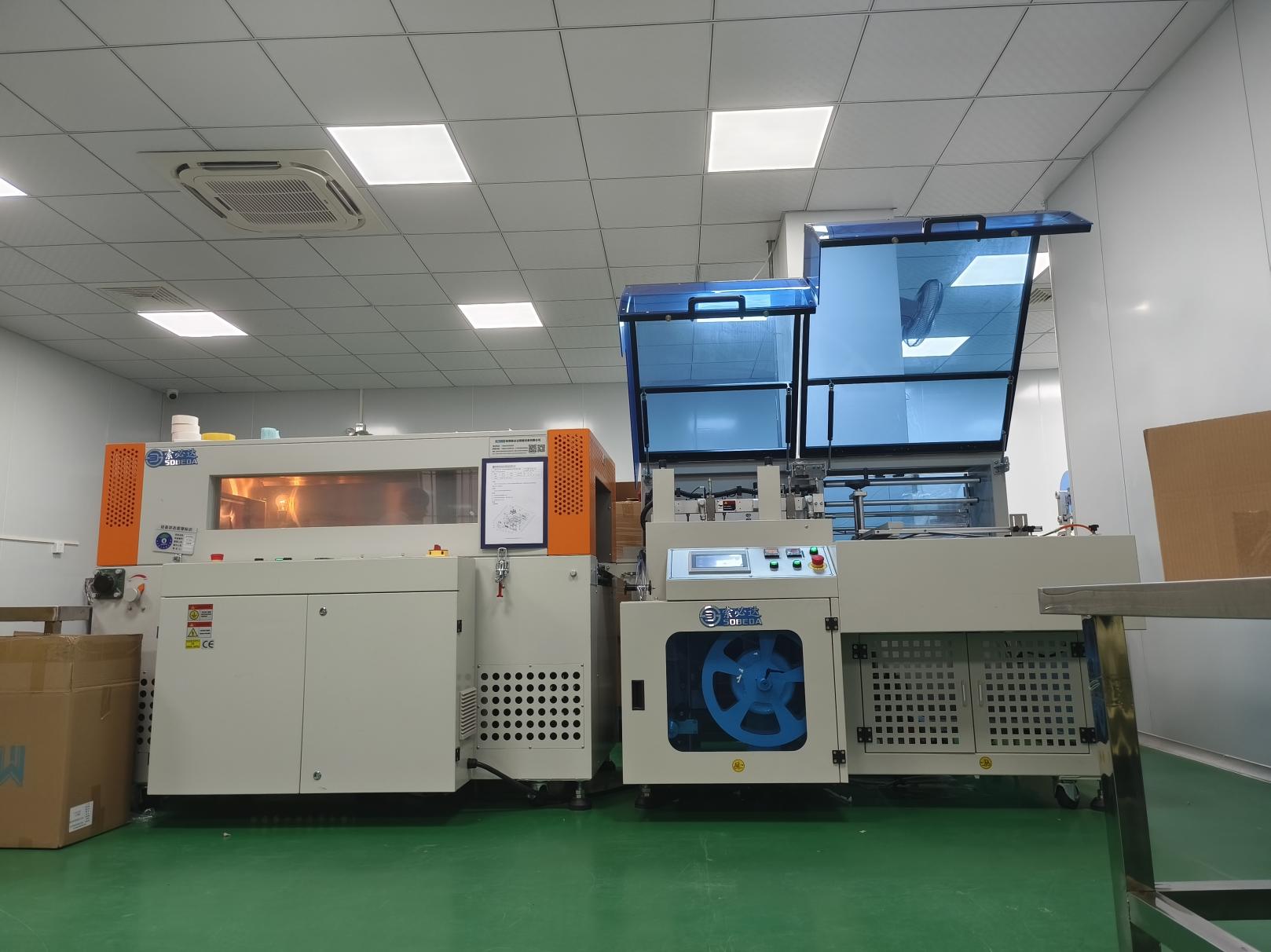
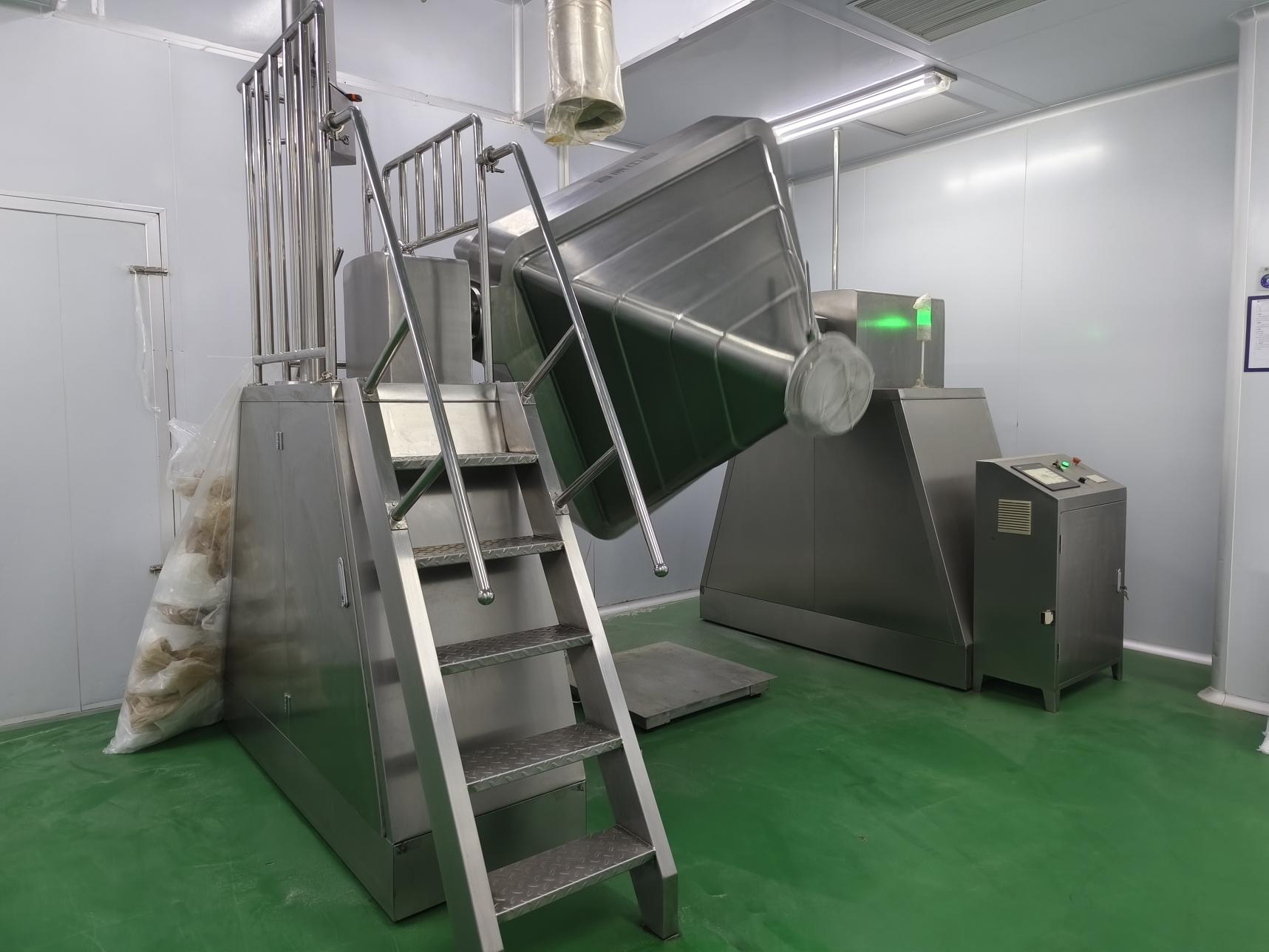
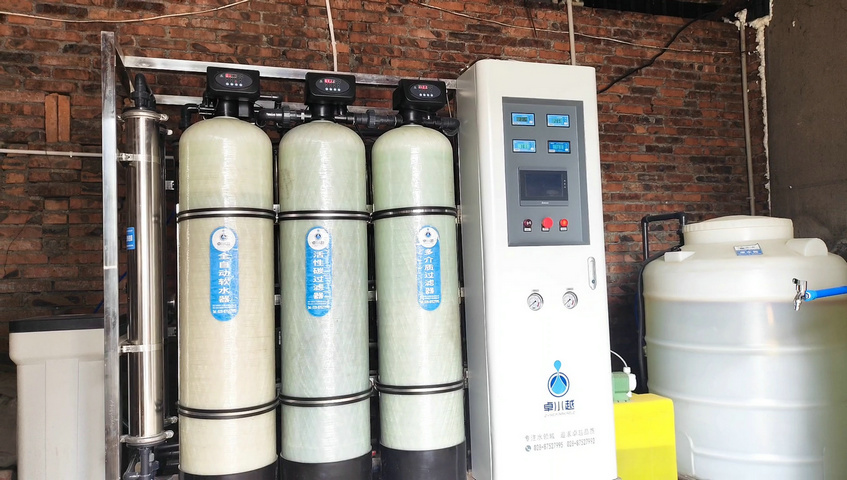
A visual tour of the specialized facilities, blending units, extraction systems, and packaging lines at our Xi'an production base.
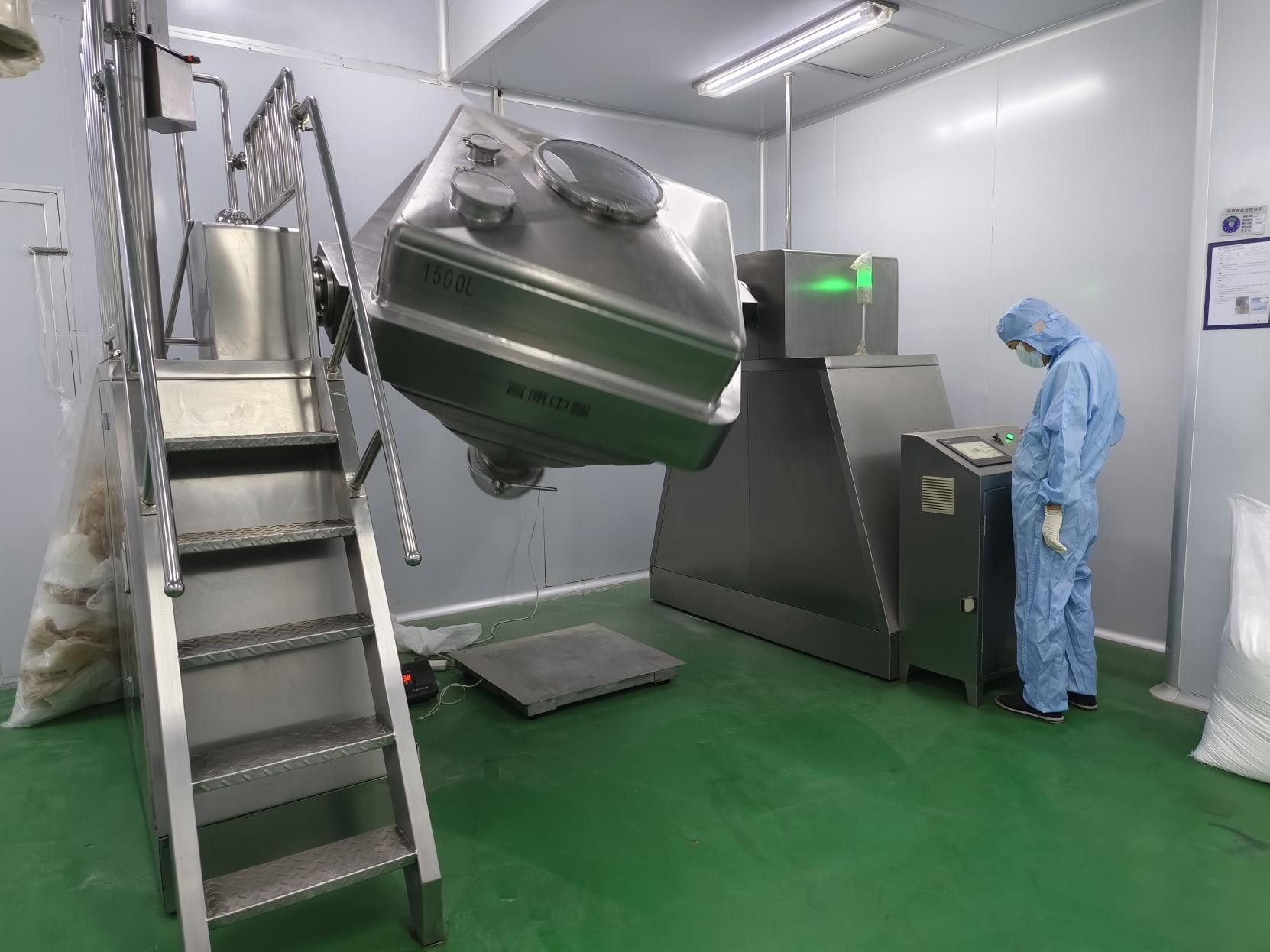
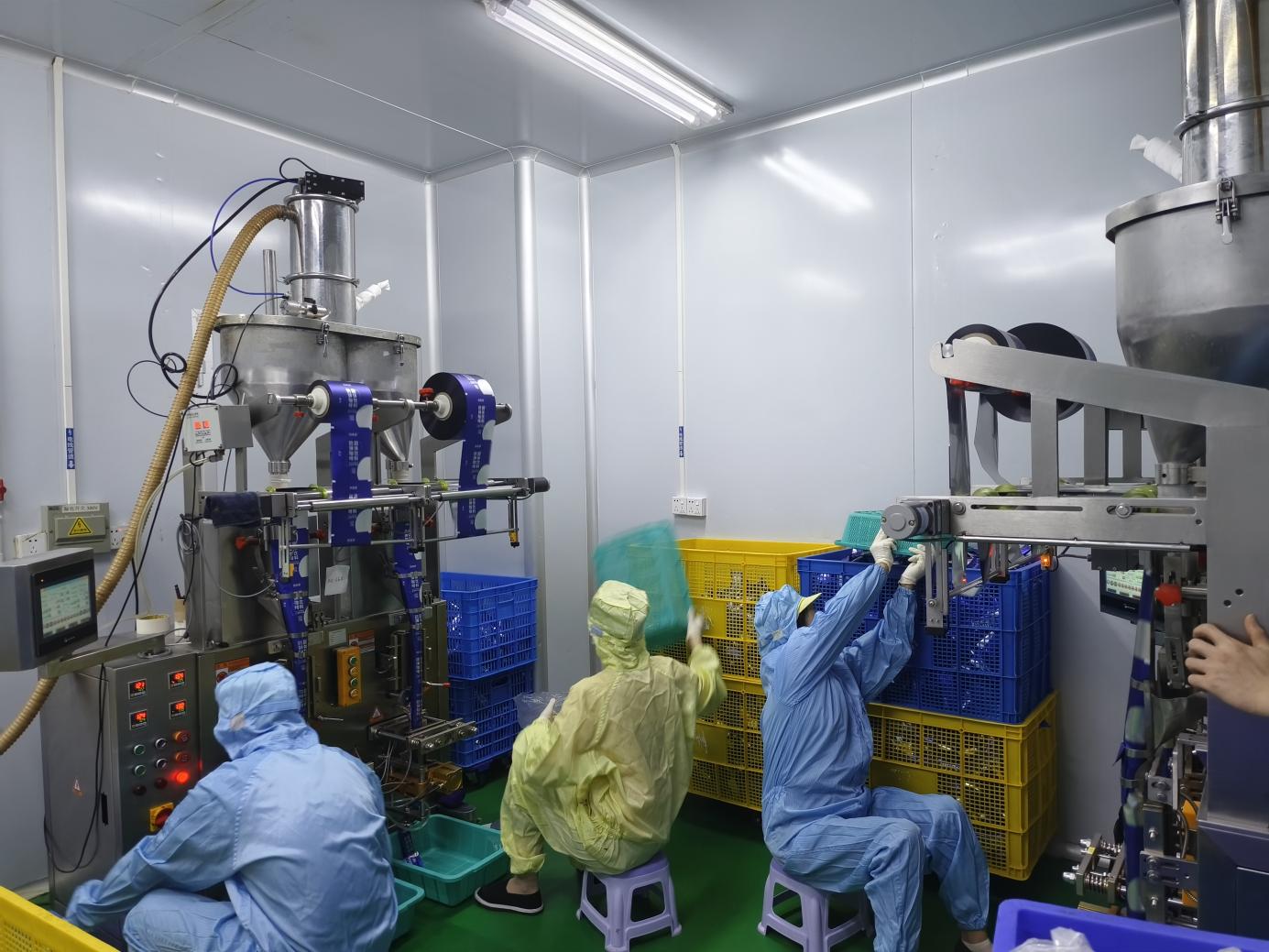
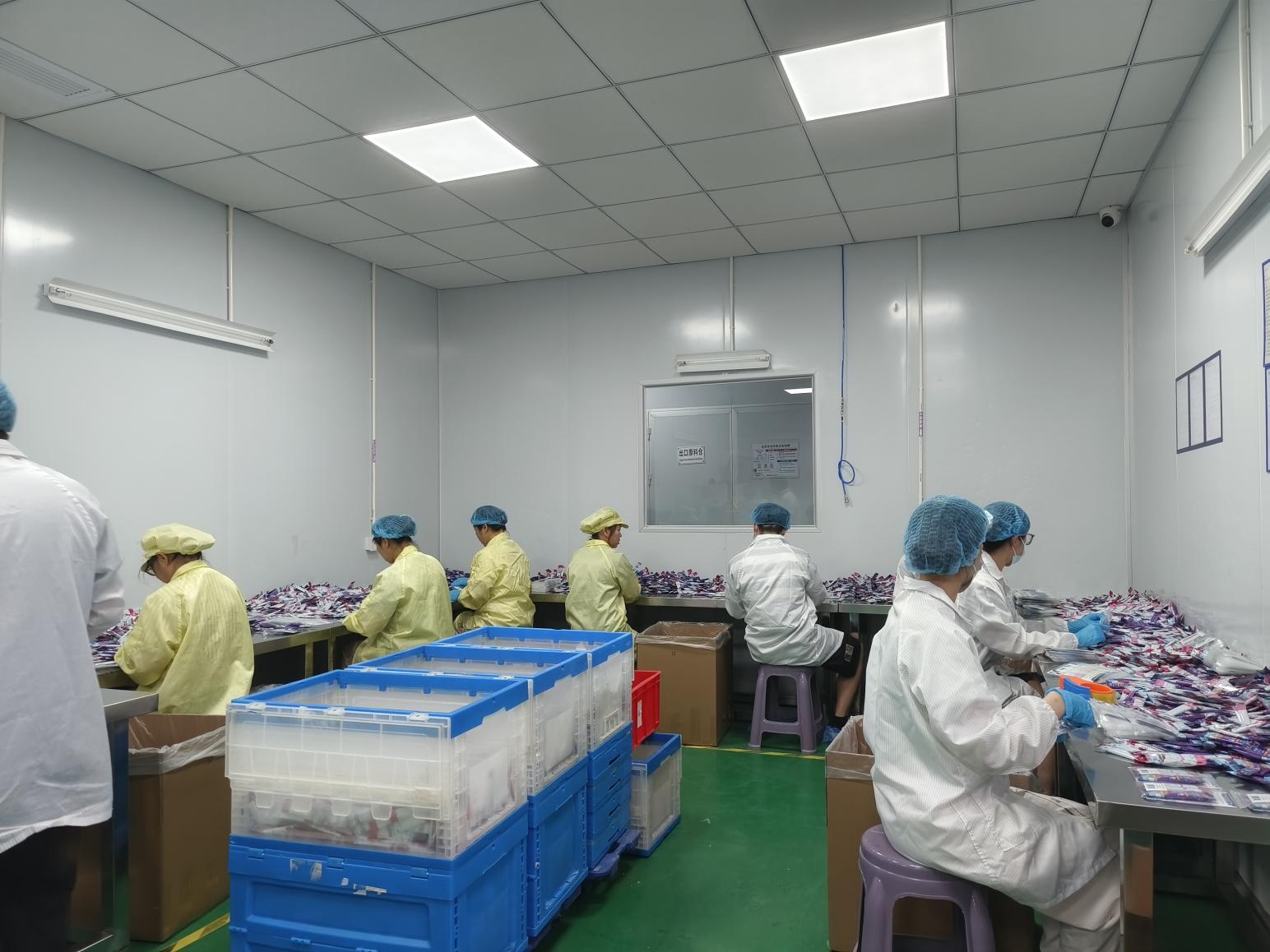
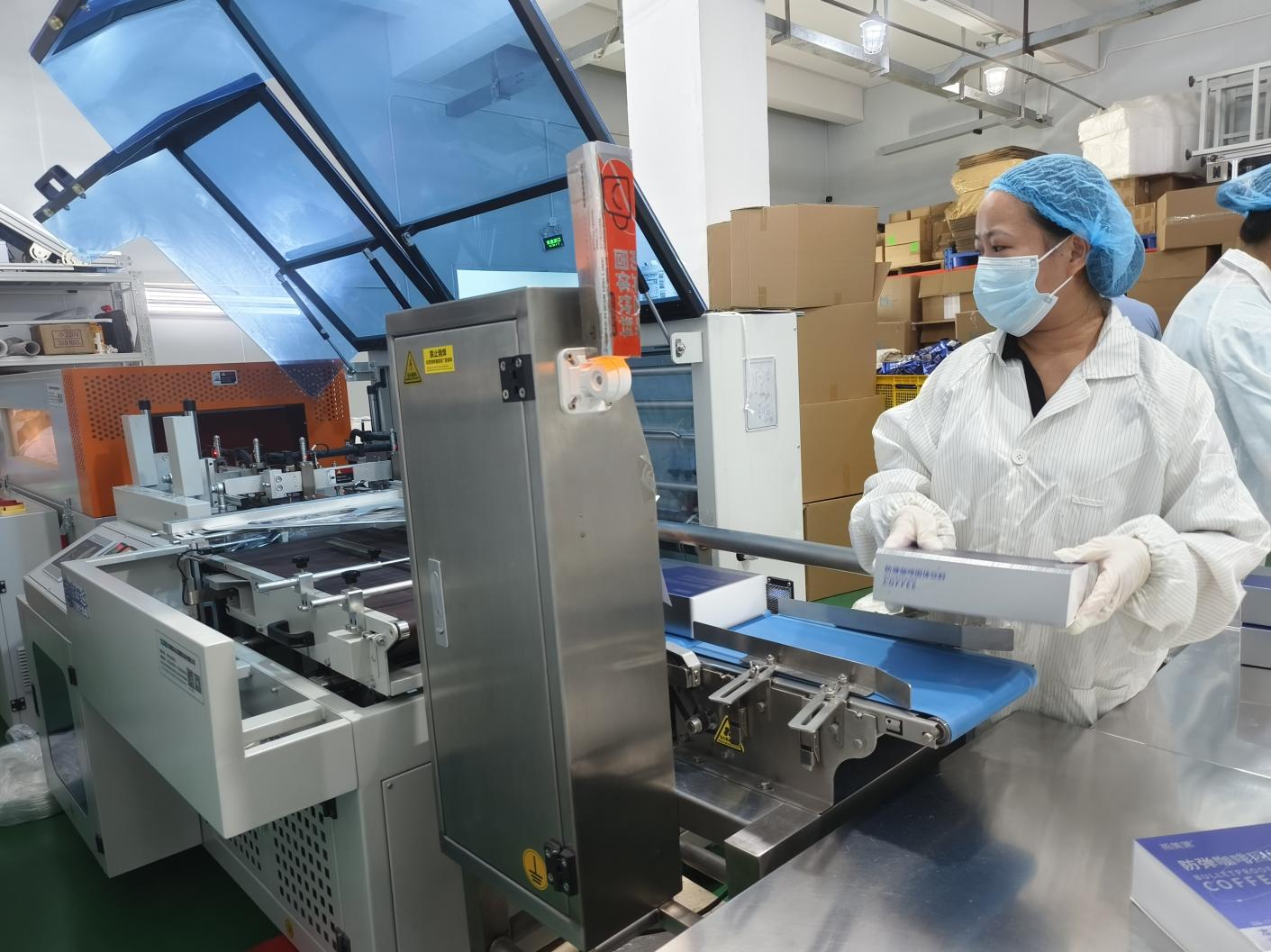
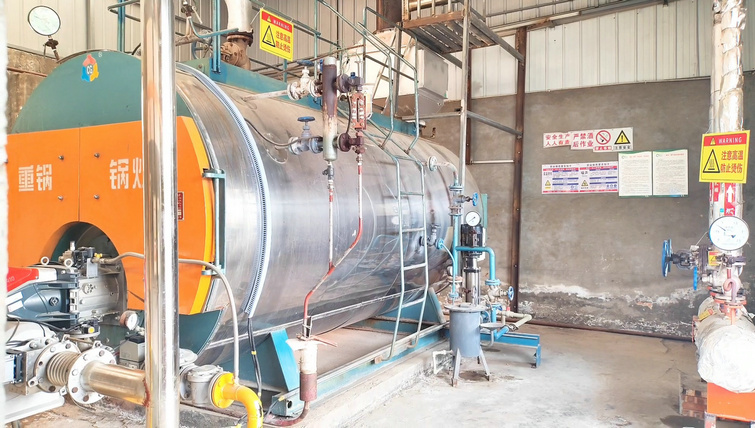
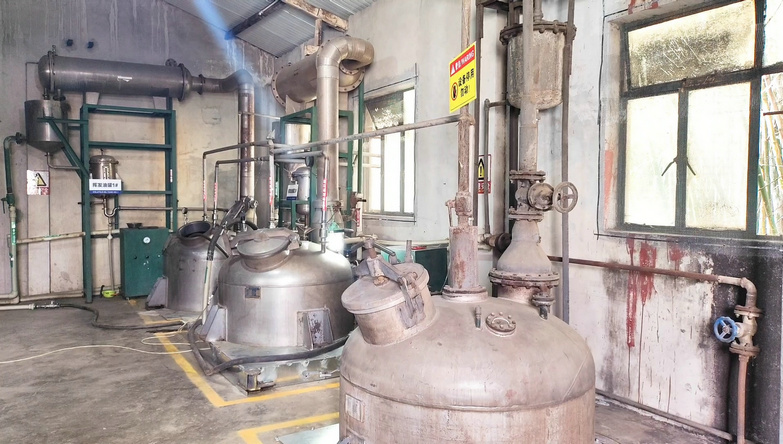
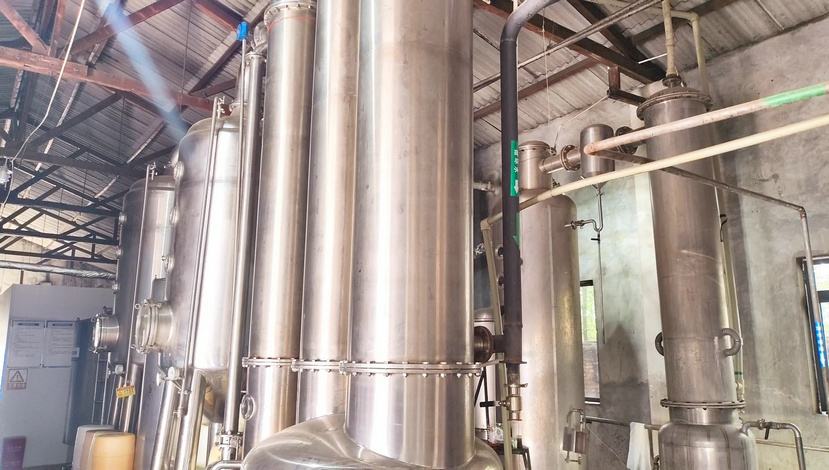
An analysis of metabolic pathways, microbial optimization, and downstream isolation processes.
Quality Assurance via HPLC & Mass Spectrometry
Our QC center analyzes every batch of fermented output via High-Performance Liquid Chromatography (HPLC) and Gas Chromatography-Mass Spectrometry (GC-MS). This ensures that trace fermentation byproducts, such as residual organic acids or unwanted bacterial metabolites, are kept below analytical detection limits, meeting USP, EP, and ChP standards.
A compliance checklist for quality control directors and global supply chain managers purchasing from China.
Ensure the supplier provides comprehensive batch-level documentation. This includes COAs (Certificate of Analysis) detailing assay percentages, heavy metal limits (Pb, As, Hg, Cd within USP standards), pesticide residue limits, and microbiological plate counts (total aerobic count, yeast/mold, absence of pathogenetic strains like E. coli and Salmonella). Check alignment with third-party certifications like Kosher, Halal, USDA Organic, and EU Organic.
Audit the factory’s batch tracking systems. An enterprise-grade ERP system should track a batch from the raw materials used in the culture media through the inoculation, fermentation, filtration, crystallization, and drying stages to final packaging. For US and European markets, verify that the supplier has up-to-date FDA facility registrations and REACH pre-registrations where applicable.
The shift toward synthetic biology, cell-free synthesis, and carbon-neutral production loops.
As the biotechnology sector moves forward, the fermentation industry is transitioning from classical strain selection to advanced synthetic biology tools, such as CRISPR-Cas9 genome editing and computer-aided metabolic pathway simulation. These tools allow researchers to insert complex multi-enzyme pathways into robust industrial host strains, enabling the production of highly complex molecules that were previously impossible to ferment at scale.
In tandem with biological breakthroughs, green manufacturing practices are reshaping factory infrastructure. Leading Chinese hubs are integrating renewable energy systems (solar arrays and waste-heat recovery boilers) to offset the energy footprint of continuous sterilization and steam injection. This focus on sustainability aligns with global corporate social responsibility (CSR) goals, allowing B2B buyers to verify carbon-neutral supply paths for their finished products.
Technical and logistical insights to assist global procurement managers.
We maintain a strict master cell bank (MCB) and working cell bank (WCB) system stored under ultra-low temperature cryogenic conditions. Strains undergo regular PCR and phenotypic checks to verify genetic stability and consistency across inoculations, preventing genetic drift and maintaining stable yields.
Depending on the target molecule, we employ ultrafiltration, ceramic membrane filtration, high-capacity chromatography, vacuum concentration, and spray drying or crystallization. These steps preserve heat-sensitive compounds and achieve purity levels exceeding 98% to 99%.
We provide full-spectrum OEM/ODM services, including customized particle size adjustments (micronization, granulation for direct compression), custom blending, and private labeling. Our R&D team works directly with clients to formulate dietary supplements, functional drink mixes, and topical cosmetic applications.
Yes, our plant-based raw materials and organic ferments are certified under USDA Organic and EU Organic regulations, with full TC (Transaction Certificate) traceability for each export batch, facilitating clear customs entry.
For standard stock catalog items, shipping takes 3–5 working days from our warehouse. For custom production runs or customized OEM orders, lead times range from 15 to 30 days. We provide sea, air, and express door-to-door delivery with temperature-controlled shipping options.
Discover additional high-purity bioactive ingredients, processing machinery, and plant extracts.

 Diaries Biotech