Diaries Biotech

1 / 5
Taurine enhances plants' ability to absorb nutrients such as nitrogen, phosphorus, and potassium, and improves the physical and chemical properties of the soil, thereby promoting the development of plant roots and leaves. In addition, taurine can also activate the physiological metabolism of plants, increase the efficiency of photosynthesis and the drought resistance ability of plants, and promote the growth and development of plants.
Taurine can regulate the growth cycle of crops, shorten their growth period, and increase both yield and quality. For example, applying taurine during the rice growing season can boost rice yield and protein content while alleviating environmental stress on the growth of rice.
Taurine can promote the stability of plant cell membranes and the activity of metabolic enzymes, thereby enhancing the antioxidant capacity and stress resistance of plants. Under environmental stress conditions such as drought, salinity, and cold, applying taurine can effectively improve the stress resistance of crops and alleviate the damage caused by environmental stress to crops.
Taurine can regulate the synthesis and secretion of auxins and cytokinins within plants, moderately increasing the content of endogenous hormones in plants, promoting plant growth and development, and playing a crucial role in root growth and development.
Taurine can protect the growth points of plant roots, prevent the root tips from being harmed by the external environment, promote the growth and development of the root system, and enhance the stress resistance of the plant root system. It is suitable to the rooting and transplantation of various greenery and horticultural plants, especially having a more significant effect on the rooting of deciduous trees and shrubs.
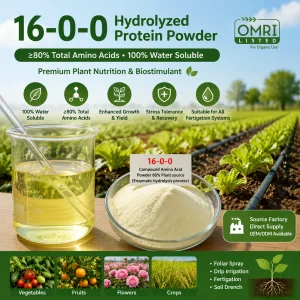
Foliar spray, soil application, drip irrigation, or broadcast application. May vary depending on crop type and soil conditions.