Diaries Biotech
1 / 5
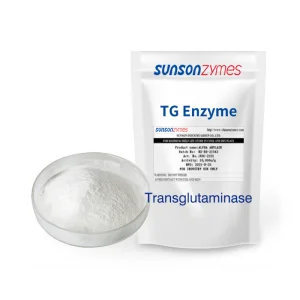
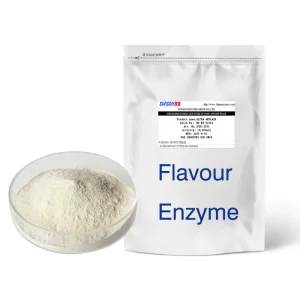
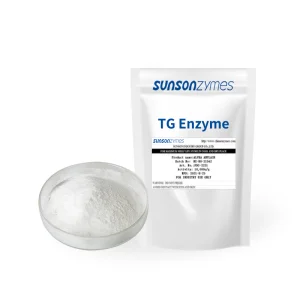
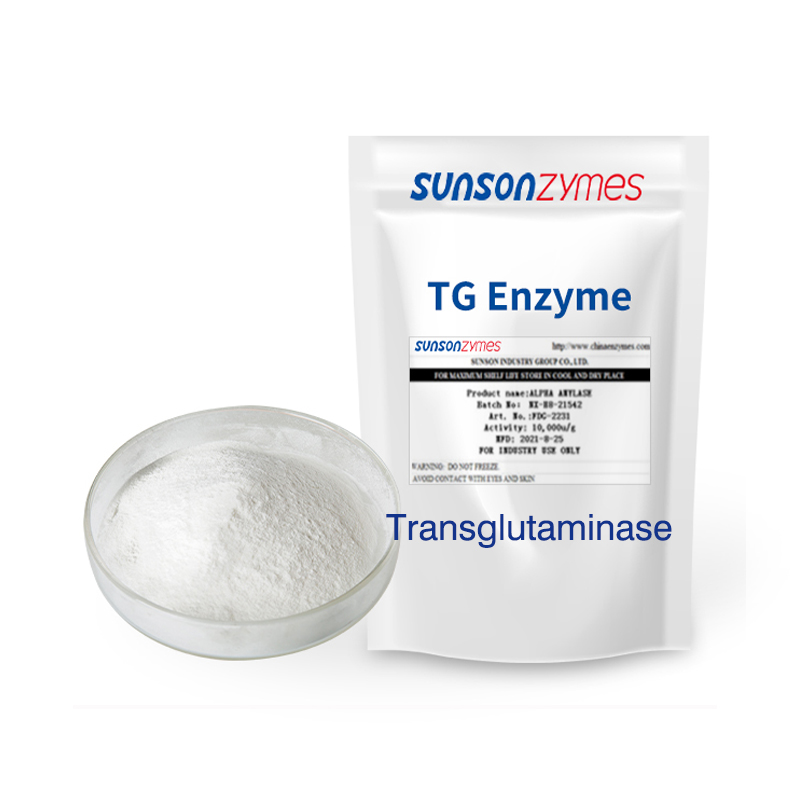
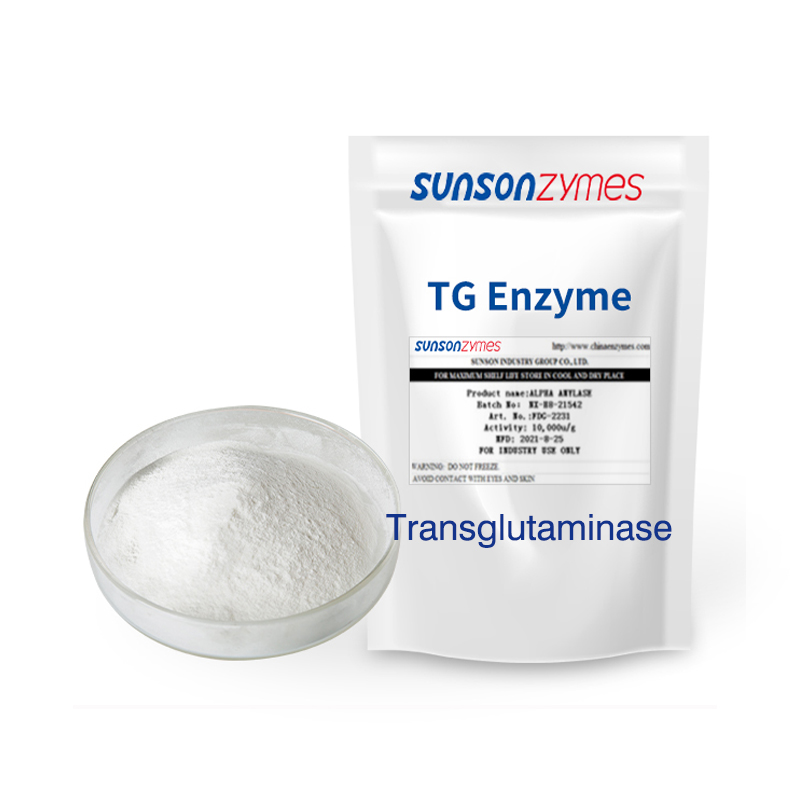
Transglutaminase (TG) is an enzyme which can catalyze the reaction of transamination. It catalyzes the L-Lysine’s r-aroylamino-hydroxybutyrate binding to the glutamic acid’s. So the covalent crosslinking among the proteins or peptides is happened and the polymer of covalent compounds is formed. In the food industry, TG is applied to improve several functional characteristics of meat and protein products, such as improving the meat’s structure, gel characteristic, elasticity, keeping the water and grease and so on. At the same time, the lysine is protected which preventing the maillard reaction.
| Declared Activity | 100 u/g |
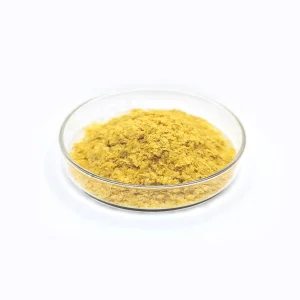
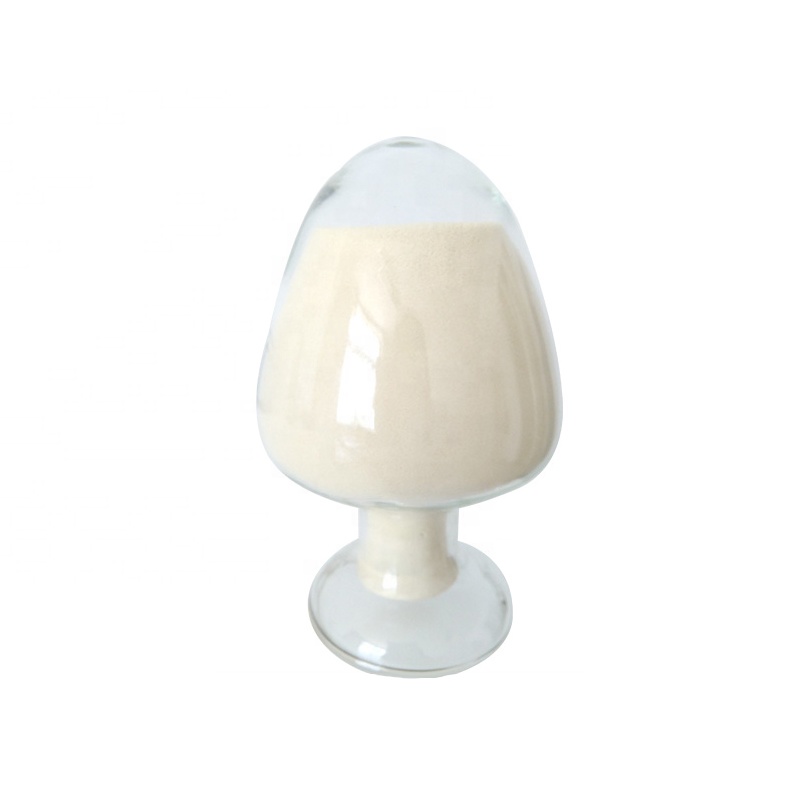
| Physical Form | White Powder |
| Odour | Normal microbial fermentation odour. |
| pH | 5.0-8.0, optimum 6.0 |
| Temperature | 45℃-55℃, optimum 50℃ |
| ITEMS | Lower Limit | Upper Limit |
|---|---|---|
| Enzymes activity | 100u/g | - |
| Lead | - | 5 mg/kg |
| Arsenic | - | 3 mg/kg |
| Total viable count | - | 50,000 CFU/g |
| Coliform Bacteria | - | 30 CFU/g |
| Escherichia coli | - | 10 CFU/g / 3 MPN/g |
| Salmonella | Not Detected/25g | - |
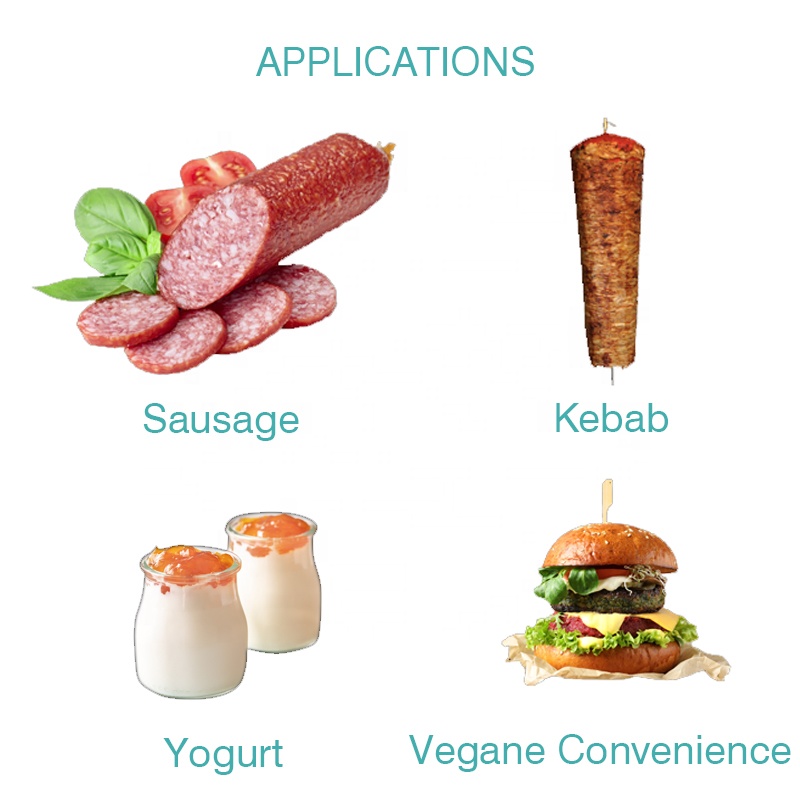
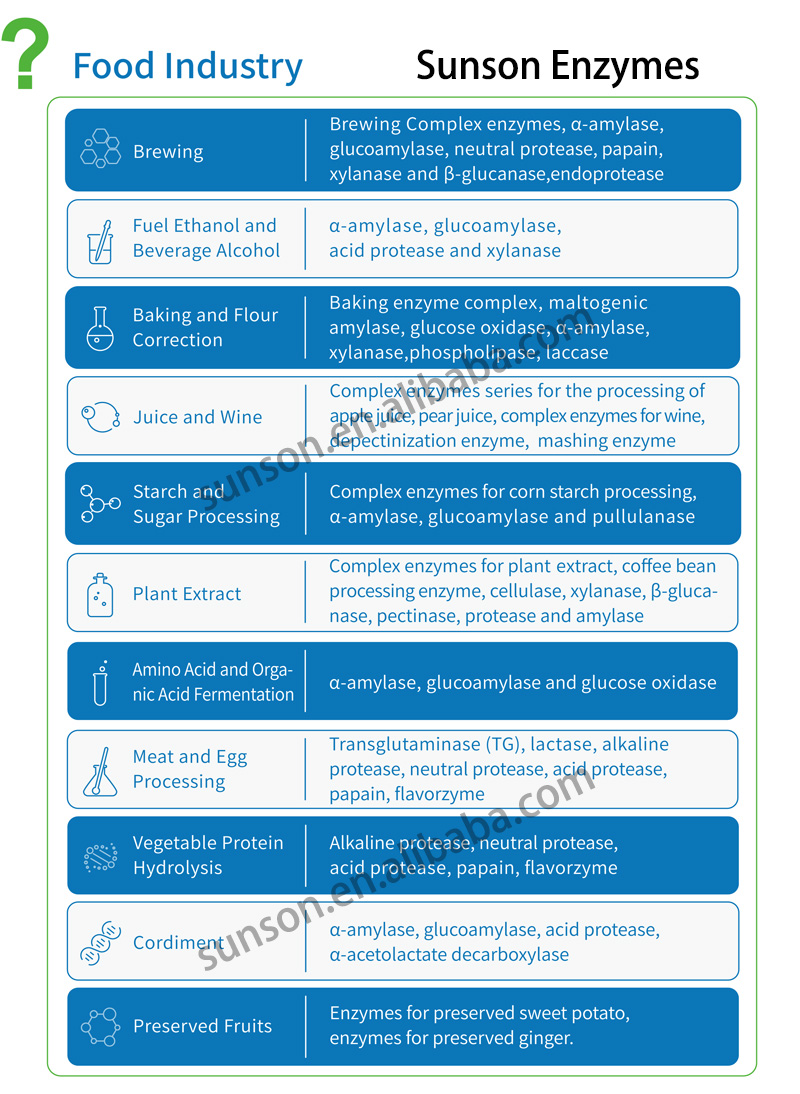
Transglutaminase catalyzes the cross-linking and polymerization of identical or different protein molecules. This enhances properties such as cohesiveness, emulsification, gelation, thickening, and emulsion stability. Consequently, it improves the appearance, flavor, texture, and mouthfeel of protein-rich foods. It is widely used in bacon, sausages, meatballs, frozen surimi, fish roe, cheese, yogurt, and various other food products.
Recommended dosage: 1%-2% of the total material weight.
Reaction time: 1-3 hours.
Addition method: Add as a protein slurry (soy protein isolate: water = 1:6). Mix the transglutaminase thoroughly into the slurry via chopping, then add the slurry to the meat batter and chop until uniform. Alternatively, add the transglutaminase powder directly.
Recommended dosage: 2%-4% of the total material weight.
Reaction time: 1-3 hours.
Addition method: Add as a protein slurry (soy protein isolate: water = 1:6). Mix the transglutaminase thoroughly into the slurry via chopping, then add the slurry to the meat batter and chop until uniform. Alternatively, add the transglutaminase powder directly.
Recommended dosage: 4%-6% of the total material weight.
Reaction time: 1-3 hours.
Addition method: Dissolve transglutaminase in 5 times its weight of water. Ensure complete dissolution and use within 30 minutes.
Recommended dosage: 5%-8% of the total material weight.
Reaction time: 1-3 hours.
Addition method: For powder type, sprinkle onto the meat after tumbling is complete. For soluble type, add the enzyme solution 30 minutes before the end of tumbling.
Recommended dosage: 1%-2% of the total material weight.
Reaction time: 1-3 hours.
Addition method: Mix transglutaminase with cryoprotectants before adding.
Recommended dosage: 1%-2% of the total material weight.
Reaction time: 1-3 hours.
Addition method: Add as a protein slurry (soy protein isolate: water = 1:6). Mix the transglutaminase thoroughly into the slurry via chopping, then add the slurry to the fish batter and chop until uniform. Alternatively, add the transglutaminase powder directly.
Recommended dosage: 20%-40% of the total material weight.
Reaction time: 1-3 hours.
Addition method: Mix transglutaminase powder evenly with the fish roe by sprinkling.
Recommended dosage: 1%-2% of the raw milk weight.
Reaction time: 1-3 hours.
Addition method: Dissolve transglutaminase in a suitable amount of water. Ensure complete dissolution before use.
Recommended dosage: 0.5%-1.0% of the raw milk weight.
Reaction time: 1-3 hours.
Addition method: Dissolve transglutaminase in a suitable amount of water. Ensure complete dissolution before use.
The covalent bond catalyzed by TGase is hard to rupture under the conditions of non-enzymic reactions. Once the minced meat which was treated by TGase is shaped, the shape is kept, even though it is frozen or sliced or cooked.
Enzyme preparations are proteins, which may induce sensitization and cause allergic type reactions in sensitized individuals. Prolonged contact may cause minor irritation for skin, eyes or nasal mucosa, so any direct contiguity with human body should be avoided. If irritation or allergic response for skin or eyes develops, consult a doctor.
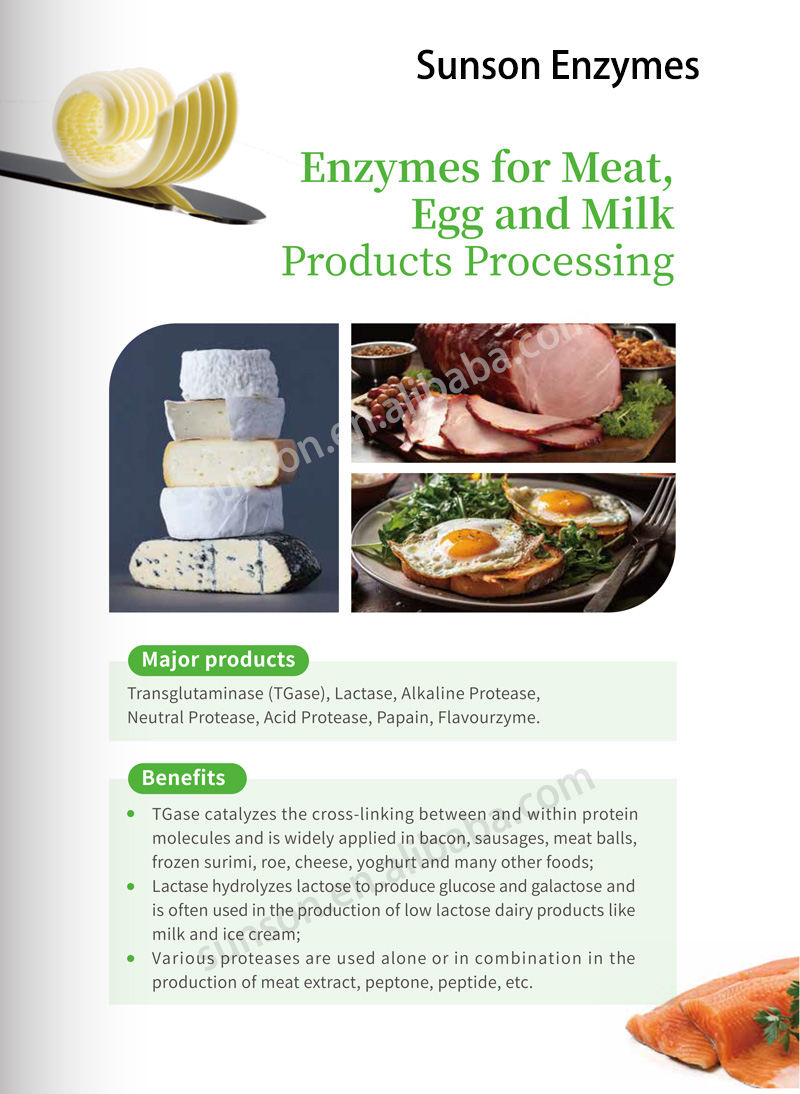
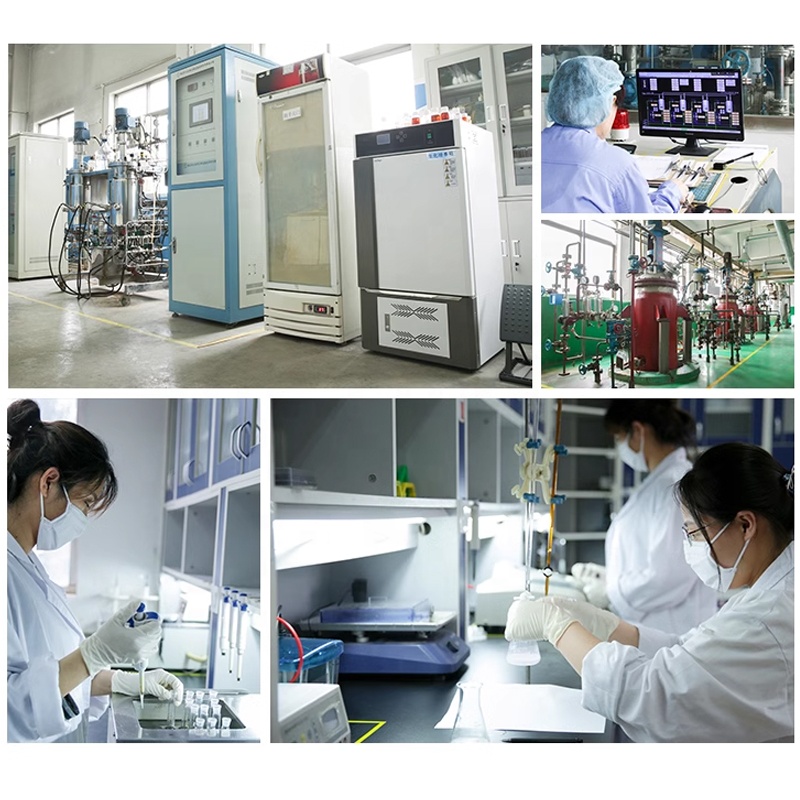
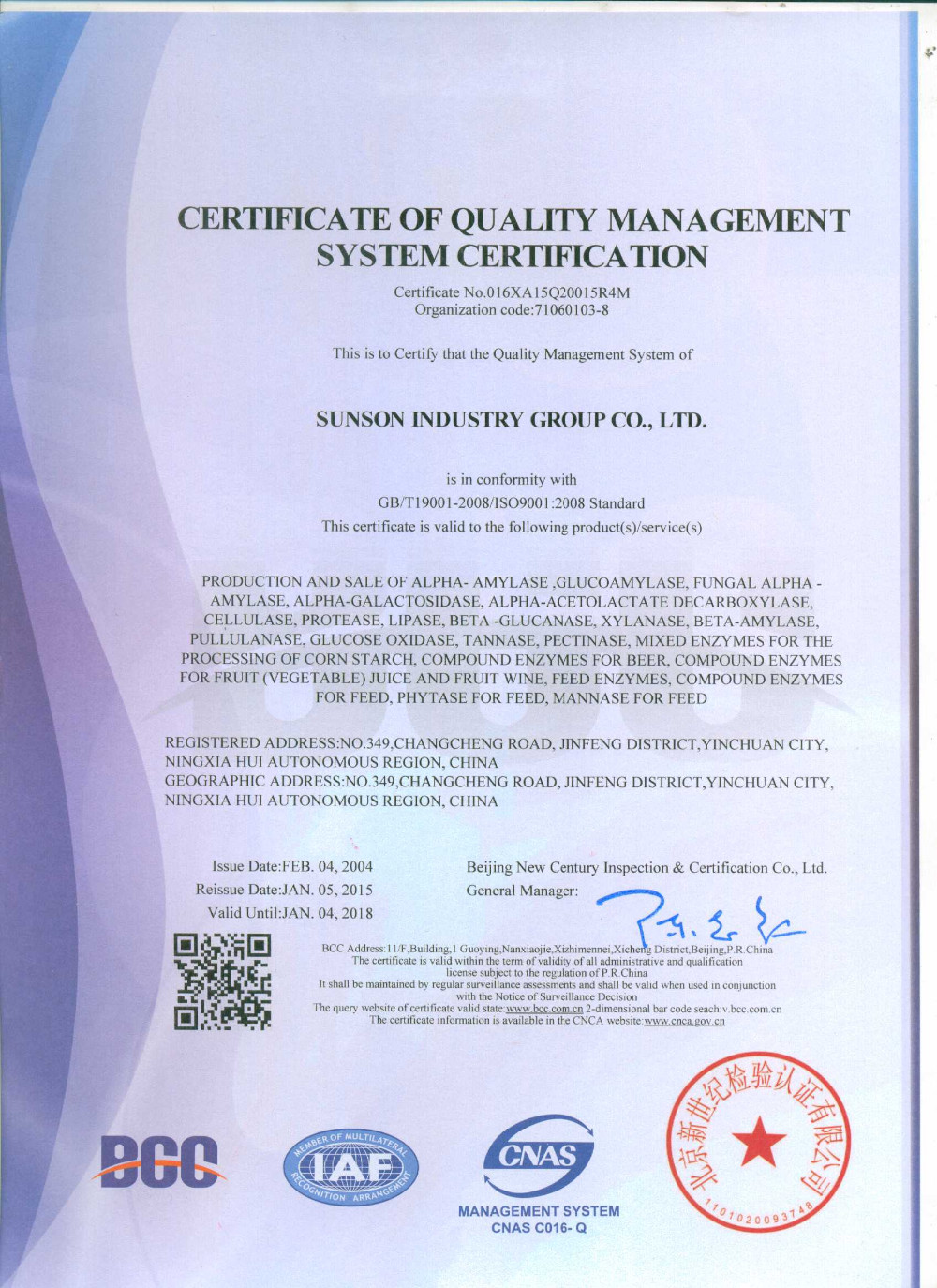
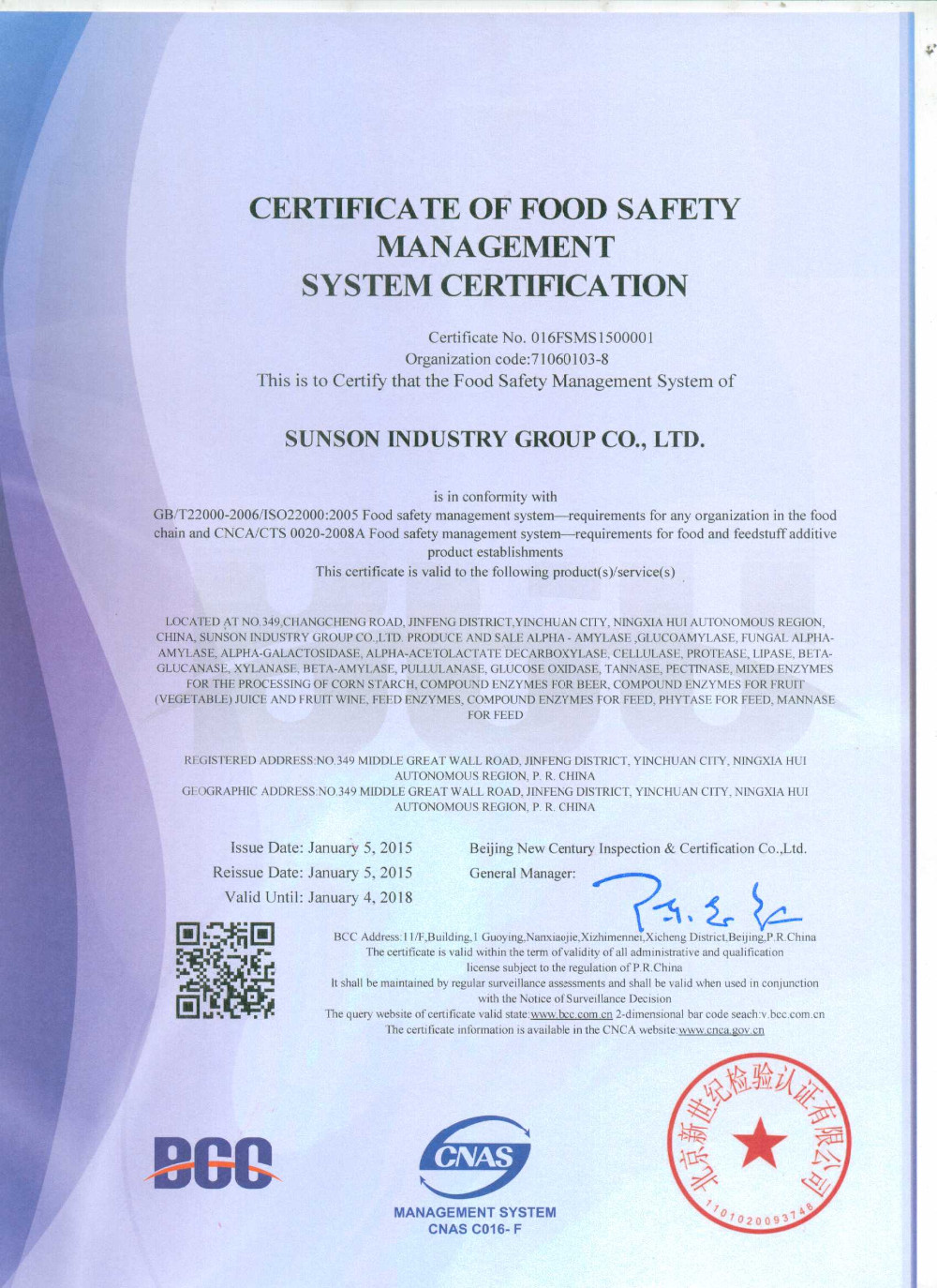
Founded in 1996, with more than 30 years of efforts, our enterprise has grown to be a large enzyme enterprise, specializing in exploring, researching, manufacturing, and marketing of industrial enzymes. We have 1 strain R&D center, 1 application research center, and 2 modern manufacturing bases. We are a key enterprise in the enzyme industry and certified with the ISO9001:2000 quality management system.
Currently, we have established 6 subsidiary companies and 30 offices. Our products have been exported to more than 30 countries and regions, becoming a leading brand in the enzyme industry.
Transglutaminase is an enzyme that catalyzes the cross-linking of protein molecules, enhancing key characteristics like gelation, cohesiveness, elasticity, and water retention in protein-rich foods.
TG enzyme is widely applied in processed meat products like sausages, meatballs, and bacon, restructured meats, frozen surimi, fish roe, as well as dairy products like cheese and yogurt.
The optimum working pH is 6.0 (effective within a 5.0-8.0 range), and the optimum working temperature is 50°C (effective within 45°C-55°C).
It must be kept sealed and stored in a dry, cool environment away from direct sunlight. Under these conditions, the enzyme has a shelf life of 12 months.
Yes, the covalent bonds formed by TGase catalysis are highly stable and resistant to rupture, ensuring the shape and texture are maintained through freezing, slicing, and cooking.
As enzyme preparations are proteins, they may cause mild irritation or allergic sensitization. Direct contact with skin, eyes, and mucous membranes should be avoided. Use protective gear if necessary.