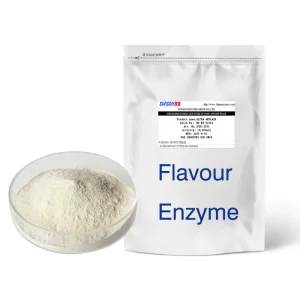
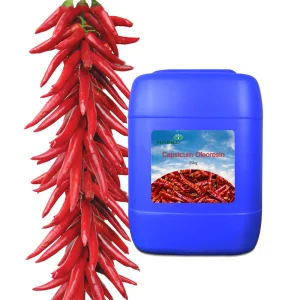
Selected raw materials and advanced processing machinery widely adopted by functional beverage developers and specialty bakers across the London metropolitan area.

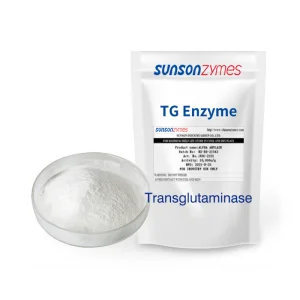
London has rapidly transformed into one of Europe's primary hubs for food-tech innovations and nutritional product formulations. While traditional heavy manufacturing and industrial chemical processing plants are mostly located in the North and Midlands of the UK, London serves as the nerve center for product design, regulatory compliance, brand strategy, and venture capital. The Greater London area, including technology corridors in East London and scientific research bases around Imperial College and University College London, is pioneering the push toward clean-label ingredients, animal-free binding agents, and bio-nutritional fortification.
Following post-Brexit transitions, food manufacturers operating in the UK must navigate strict regulatory paths overseen by the Food Standards Agency (FSA). In this context, functional food additives—ranging from bio-engineered enzymes to natural plant extracts—must demonstrate unparalleled safety, traceability, and utility to achieve approval. As London consumers demand cleaner labels and highly functional food alternatives, local food developers are increasingly partnering with global manufacturers capable of producing ingredients that meet both British retail standards and European safety frameworks.
Clean Label Acceleration: Over 73% of London consumers inspect ingredient declarations for synthetic additives, driving the transition to natural enzyme solutions and botanical extracts.
Alternative Protein Demands: London leads the UK in vegan and vegetarian demographics, creating massive commercial demand for transglutaminase binders and yeast-derived protein structures.
Functional Beverages: Active lifestyle demographics in the city center are catalyzing market growth in ready-to-drink formulations enriched with antioxidants, bioactive enzymes, and gut-healthy dietary fibers.
The global market for functional food additives is projected to exceed USD 150 billion by 2030, registering a CAGR of 6.8%. Driven by preventative healthcare shifts, aging populations, and industrial enzyme optimizations, the global supply chain is consolidating around suppliers who integrate manufacturing depth with rigorous testing.
By bridging high-capacity raw ingredient synthesis hubs in Shaanxi, China, with distribution and application-testing infrastructure in major international centers like London, we ensure that premium functional solutions remain cost-effective and compliant across borders.
The global functional ingredient sector is moving away from synthetic texturizers, chemical preservatives, and animal-derived binders. The primary driver is "functional naturalness"—using microbiological, enzymatic, and plant-based systems to achieve structural, sensory, and nutritional targets.
Furthermore, global logistics and material handling technologies have undergone massive innovation. Industrial processing equipment, such as low-energy powder tumblers and mechanical sorting systems, is continuously optimized to handle delicate functional powders (such as yeast extracts, vitamin isolates, and enzymes) without causing heat-induced denaturation or moisture absorption during bulk distribution.
Understanding the molecular dynamics and process engineering pathways behind modern functional food additive fabrication.
Leveraging microbial transglutaminase (TG Enzyme) to create covalent bonds between glutamine and lysine residues. This modifies protein gelation, viscosity, and water-binding capacity in plant-based matrices without chemical modification.
Utilizing high-yield yeast strains (e.g., Saccharomyces cerevisiae) for precision fermentation to deliver complete vegan protein profiles and mineral-enriched matrices like selenium yeast, replacing synthetic vitamins.
Deploying food-grade aminopeptidases to cleave terminal amino acids in plant proteins. This releases flavor-enhancing peptides, masks botanical off-notes, and improves protein digestibilities in health foods.
Functional food additives are not standalone elements; they are designed to solve critical processing and sensory challenges. Below are the macro-solutions optimized for the UK and greater European food production lines:
Replacing methylcellulose, carrageenan, and starches with TG Enzyme to link pea, soy, or faba bean proteins. This creates a realistic chewiness and texture in vegan sausages and burger patties sold in London supermarkets.
Enriching nutritional shakes, high-protein cookies, and dietary supplements with Selenium Enriched Yeast Extract and Alpha Lipoic Acid, providing clean, organic mineral sources and antioxidants for wellness-conscious urban populations.
Employing specific aminopeptidases and flavour enzymes during protein hydrolysis to reduce bitterness in plant-based milks and baby food formulations, resulting in a cleaner flavor profile without artificial sweeteners.
Shaanxi Diaries Biotech Co., Ltd. is a modern high-tech enterprise specializing in the research and development, production, and global distribution of plant extracts, natural raw materials, and functional ingredients for the health, food, and cosmetic industries.
With strong technical expertise and advanced manufacturing capabilities, we are committed to providing high-quality, safe, and effective natural solutions to customers worldwide. Our products are widely used in dietary supplements, functional foods and beverages, cosmetics, personal care products, animal nutrition, and agricultural applications.
Over the years, Shaanxi Diaries Biotech has built long-term partnerships with more than 5,000 companies across over 80 countries and regions, earning a strong reputation for reliability, consistency, and innovation in the natural ingredients industry.
Our production base covers an area of over 70,000 square meters in Xi'an, Shaanxi Province, China, equipped with six advanced plant extraction production lines, fine extraction workshops, and modern processing facilities. We operate under strict GMP-compliant manufacturing systems, ensuring that every stage—from raw material selection to final packaging—is carefully controlled.
Most of our products are certified under globally recognized quality networks, including HACCP, ISO22000, ISO9001, USDA Organic, EU Organic, Kosher, Halal, and full FDA compliance, ensuring frictionless import and validation for UK food producers.
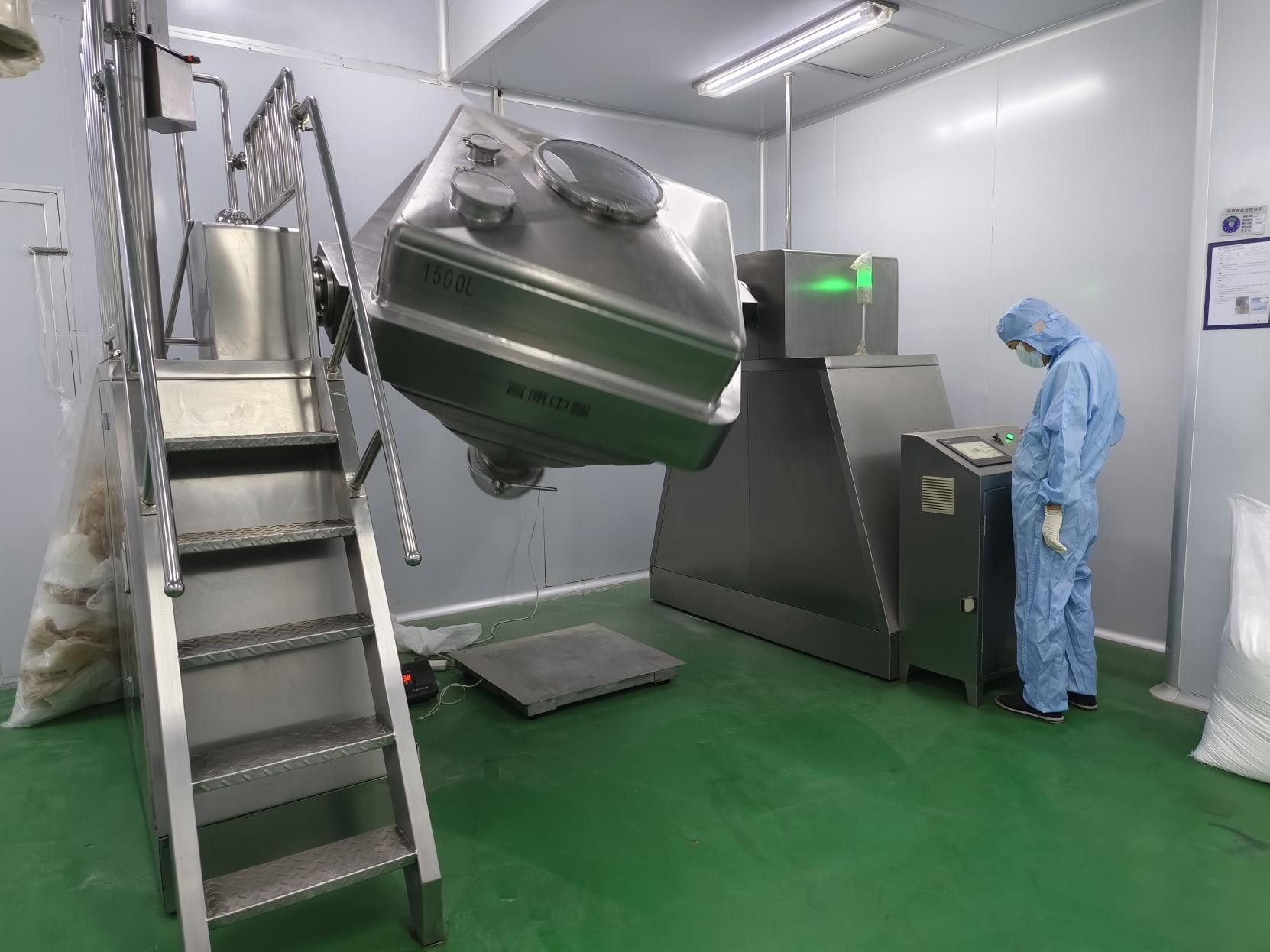
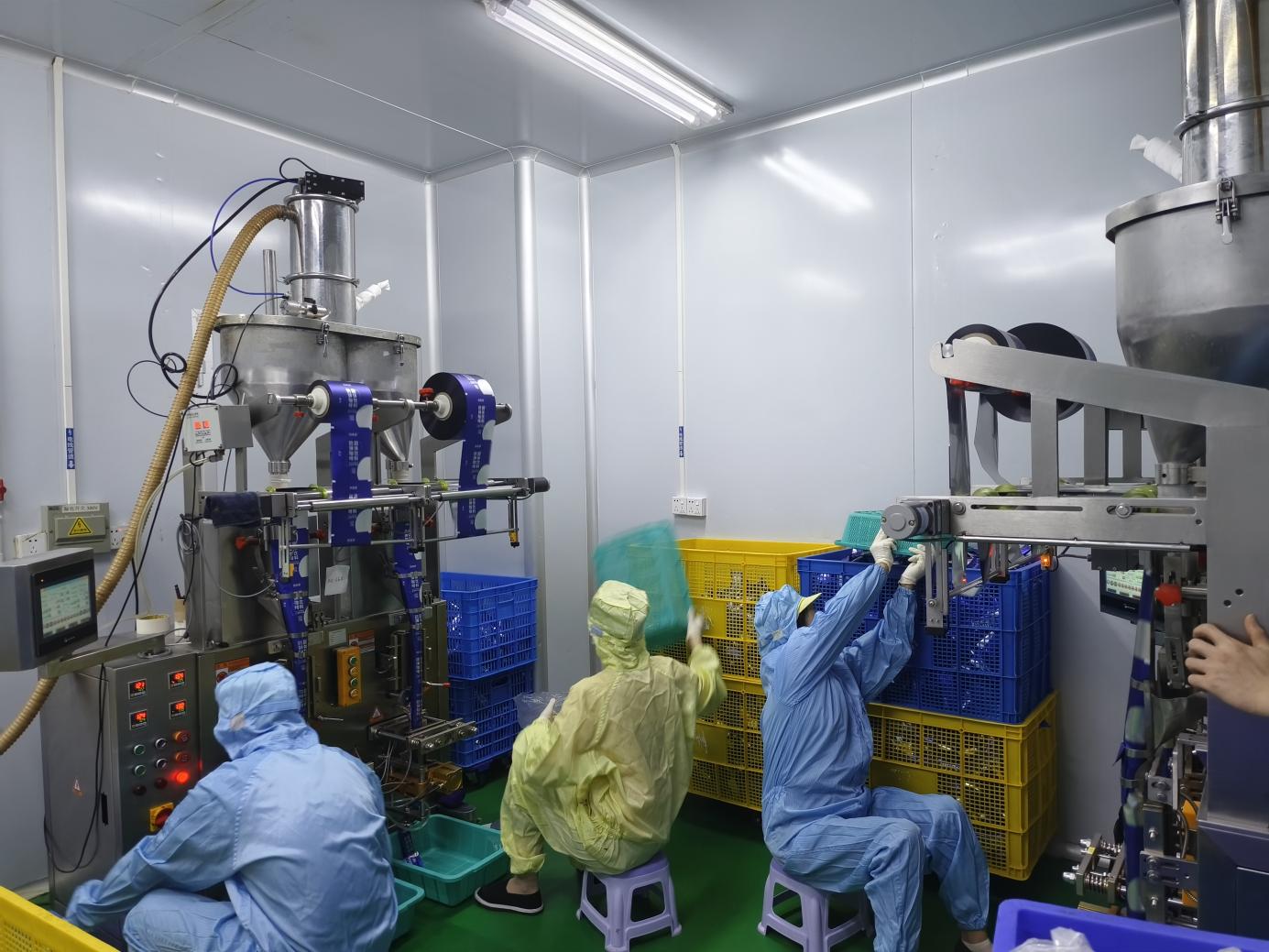
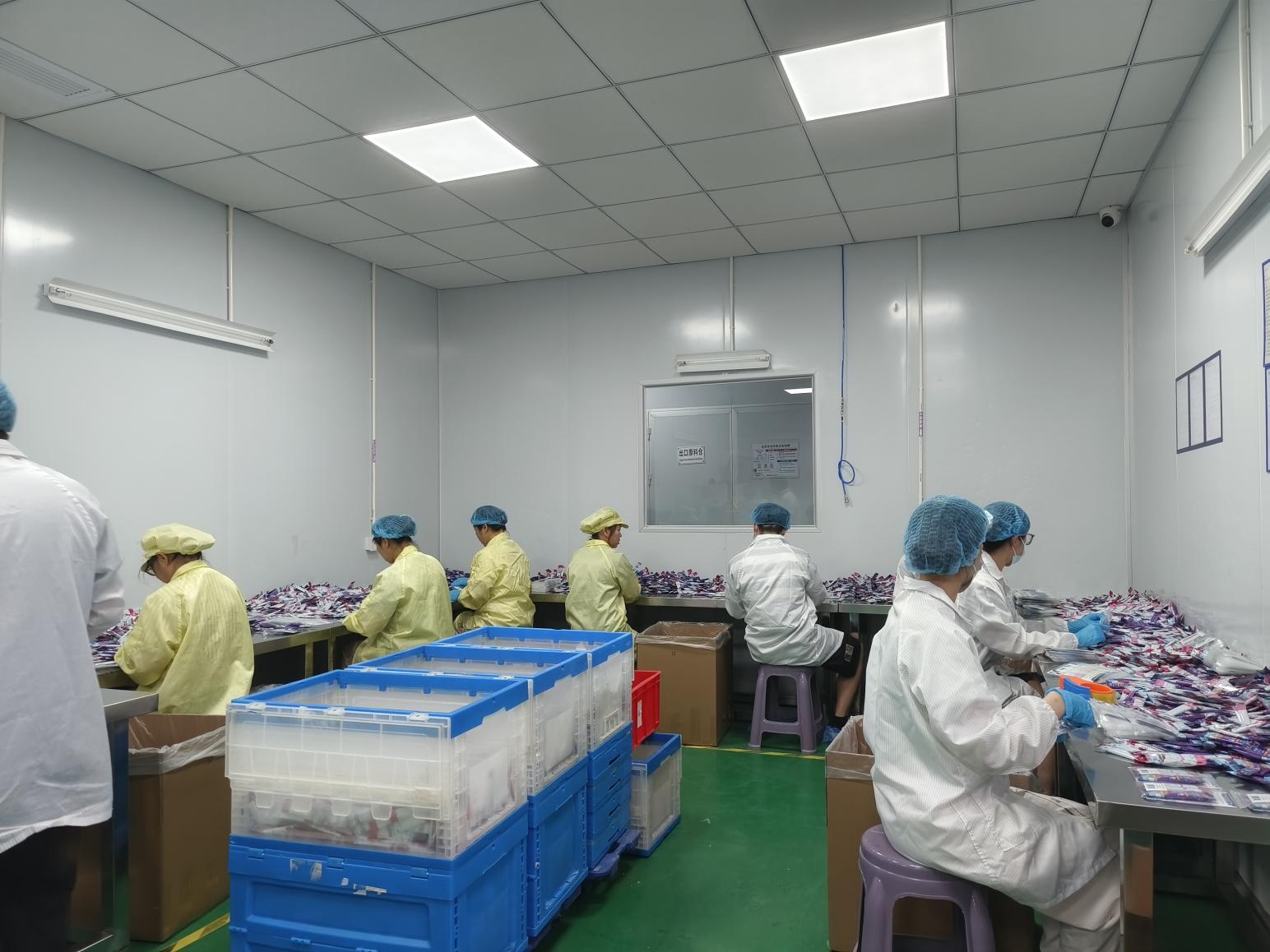
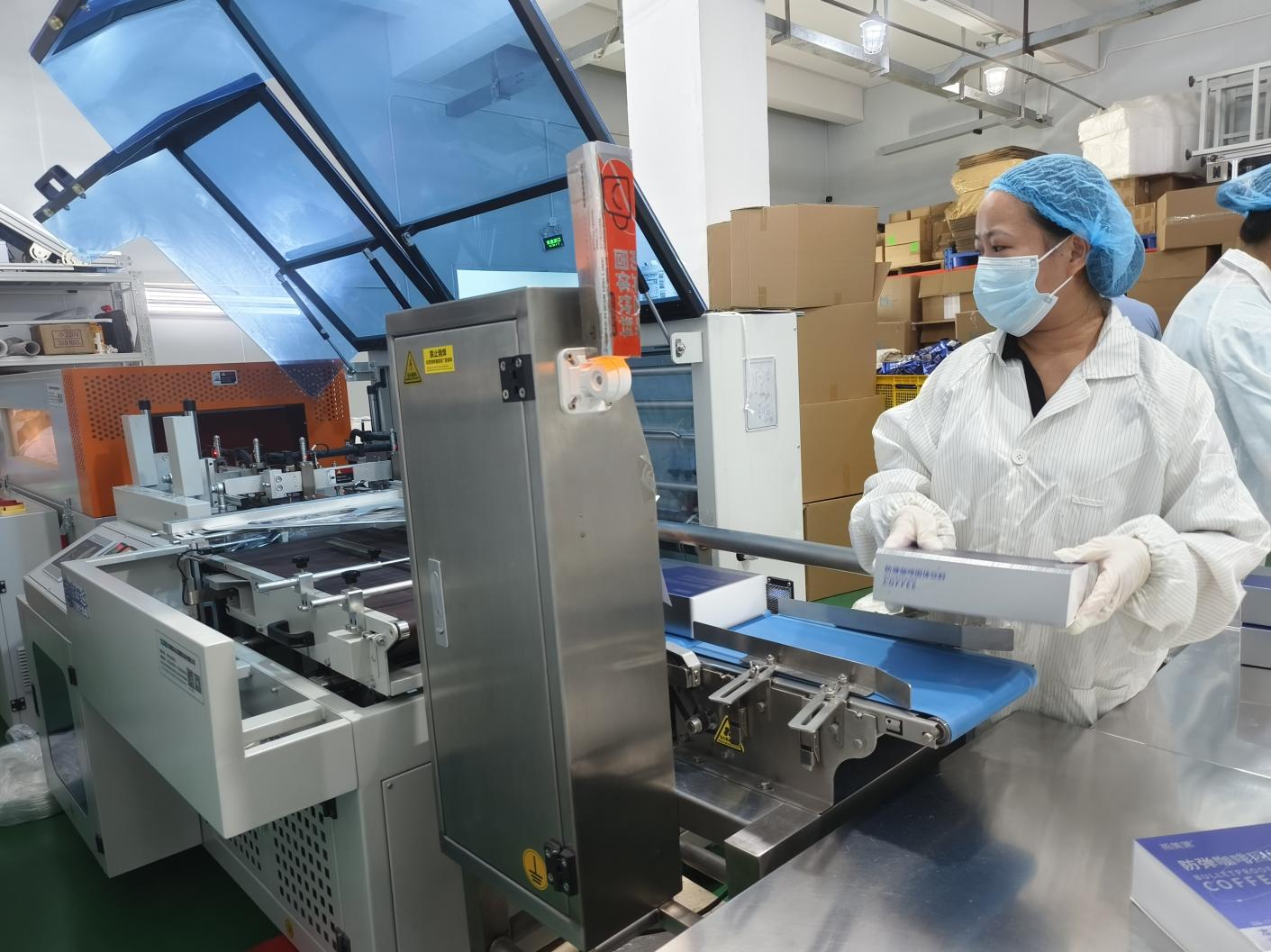
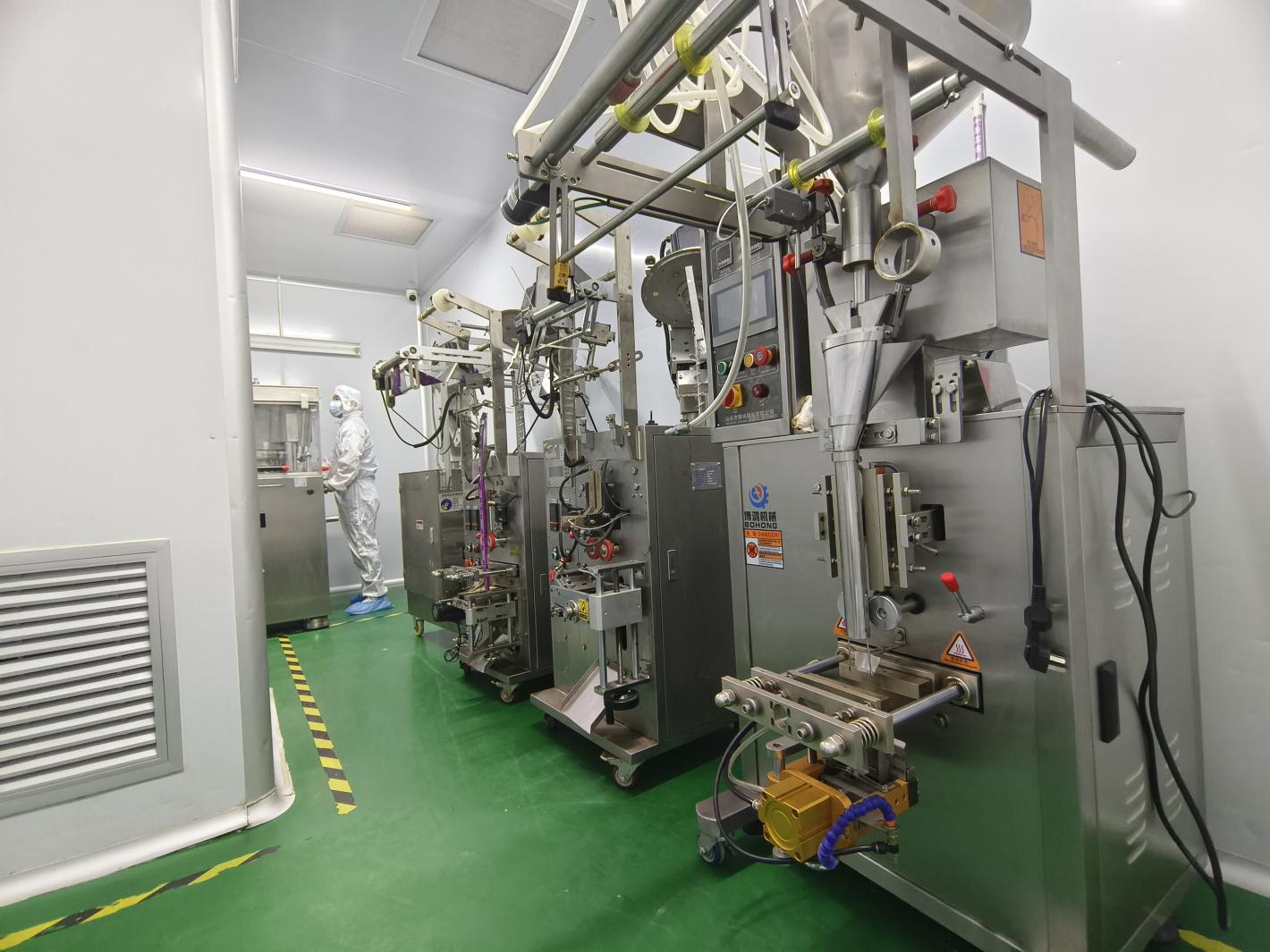
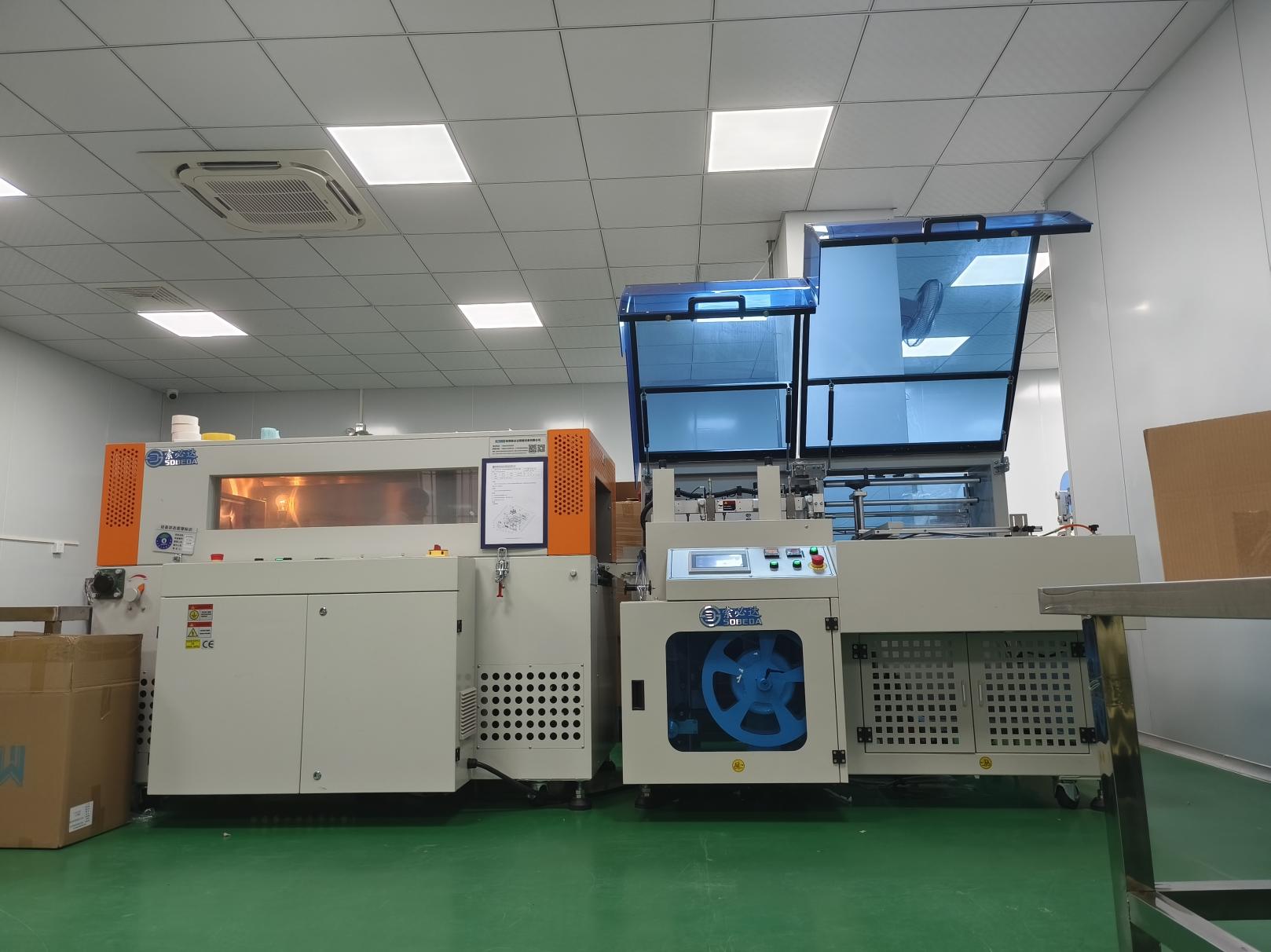
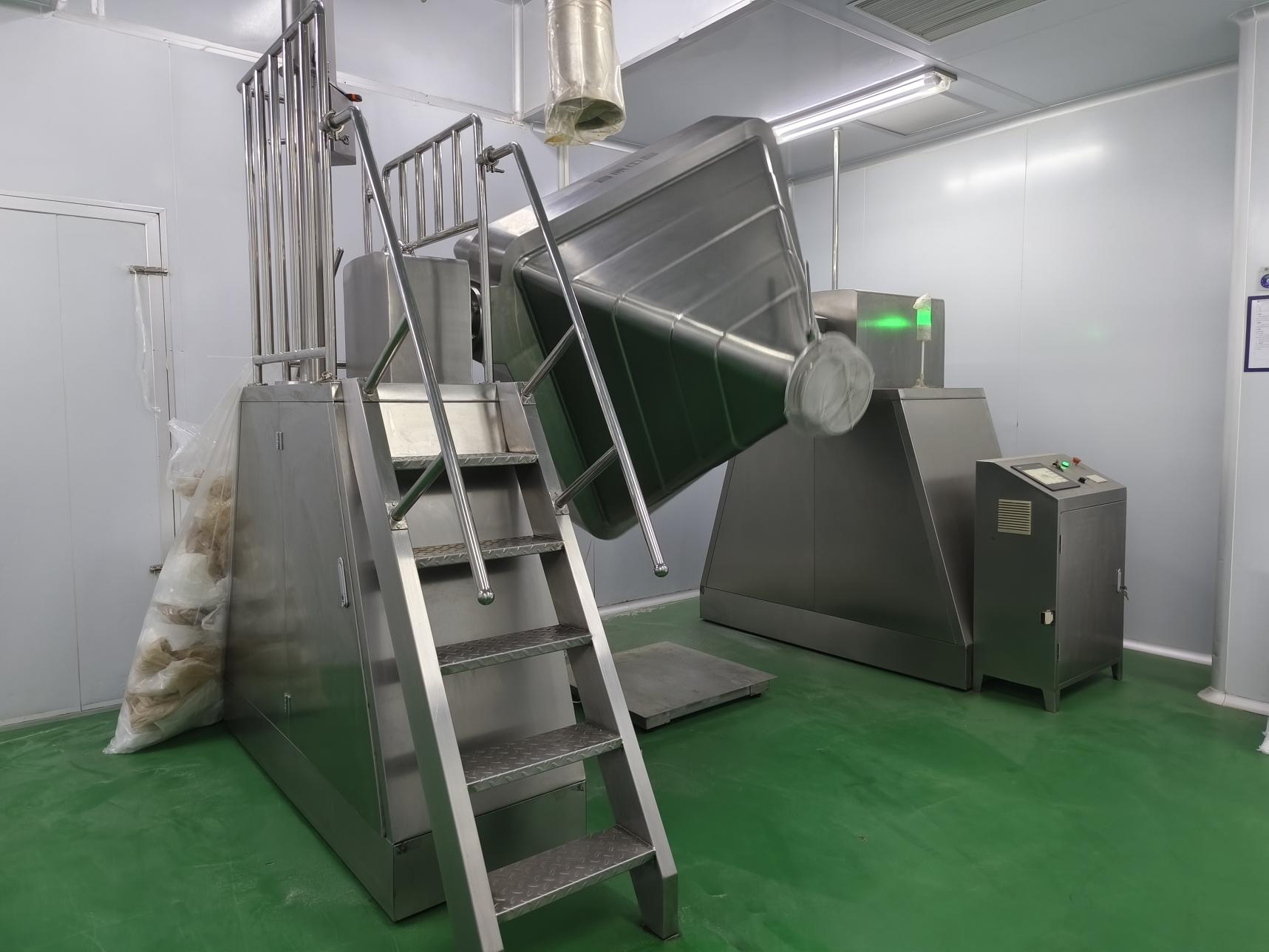
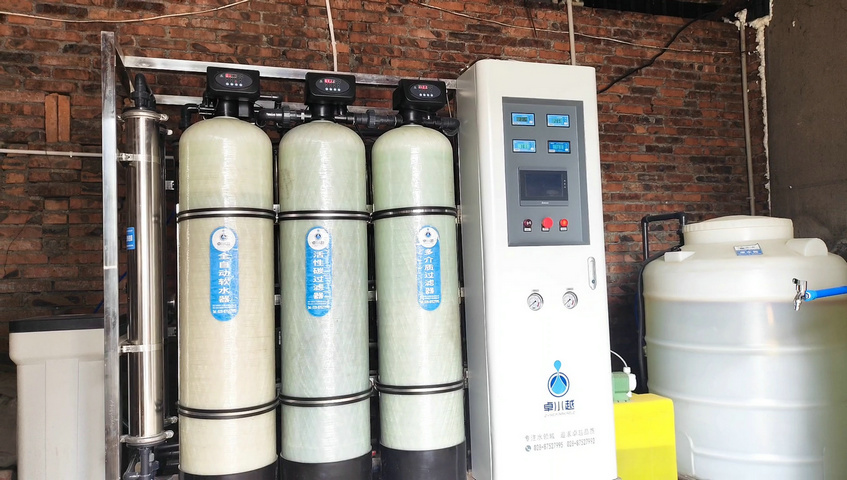
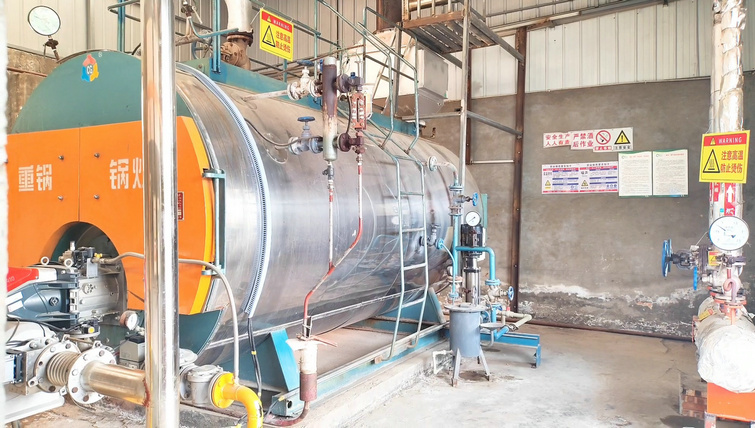
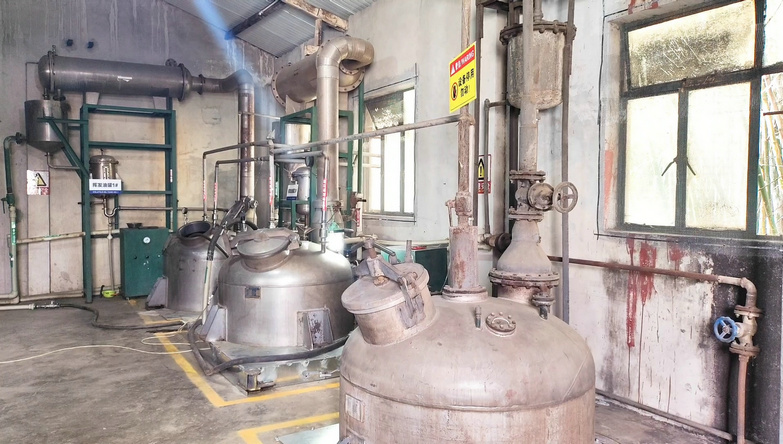
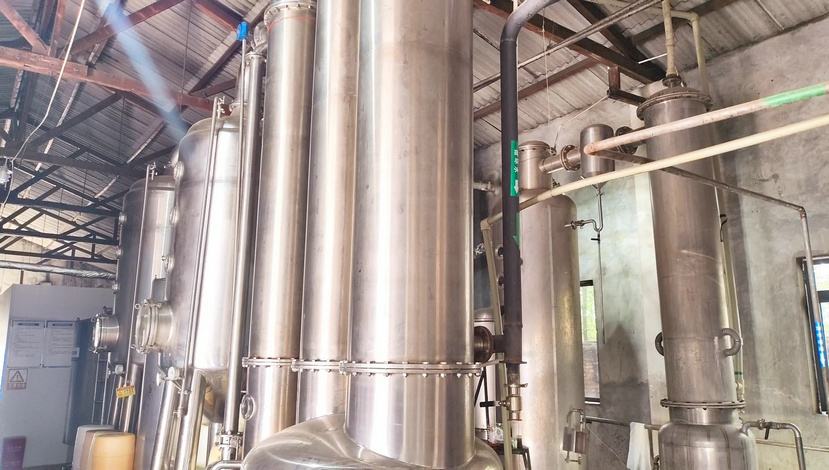
A comprehensive range of functional enzymes, natural flavor enhancers, sweeteners, and antioxidants designed for food manufacturers in London and worldwide.
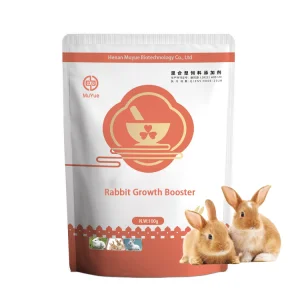

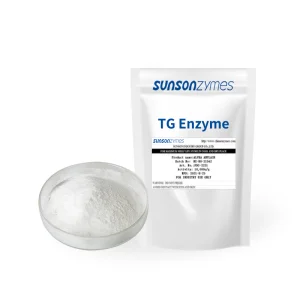
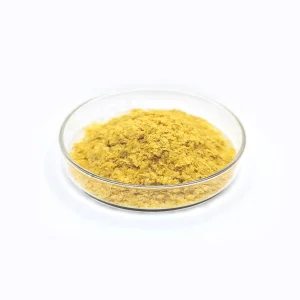

When selecting functional food additives, manufacturers must evaluate how process parameters (such as pH, temperature, shear force, and water activity) affect active molecules. For instance, enzymes like transglutaminase and bromelain require specific physiological windows to operate optimally before thermal pasteurization denatures them.
Microbial transglutaminase forms cross-links most efficiently at temperatures between 45°C and 55°C, with activity declining rapidly above 65°C. For industrial meat binder preparations, maintaining this thermal range during mixing is critical to ensure proper protein binding before cooking sets the final product texture.
Similarly, bromelain (extracted from pineapple stems) functions as an effective protease and digestive aid. Because it is highly sensitive to extreme heat, it is often encapsulated or added post-heating to protect its structural integrity and functional properties.
In accordance with the UK Food Information Regulations, importing food additives into London requires strict heavy metal testing (e.g., Lead < 1 ppm, Arsenic < 1 ppm). Shaanxi Diaries Biotech implements high-performance liquid chromatography (HPLC) and inductively coupled plasma mass spectrometry (ICP-MS) for every production batch, ensuring comprehensive trace analysis and absolute quality compliance.
Expert answers addressing the scientific, regulatory, and mechanical questions of functional food additive formulation and procurement.
Transglutaminase catalyzes the acyl transfer reaction between the γ-carboxamide group of a glutaminyl residue and the ε-amino group of a lysinyl residue. This forms an isopeptide bond, which binds plant-based proteins (such as soy, pea, and wheat proteins) together. The resulting cross-linked protein network replicates the chewiness and structural integrity of muscle fibers without requiring synthetic chemical binders or stabilizers.
Additives imported into the UK must comply with the UK Food Standards Agency (FSA) guidelines, including Retained EU Regulation 1333/2008 on food additives. Facilities must operate under GMP or ISO 22000 systems. For natural raw materials and plant extracts, certification from USDA/EU Organic, Kosher, and Halal bodies ensures compliance and streamlines customs clearances at UK ports.
Selenium-enriched yeast is produced by fermenting Saccharomyces cerevisiae in a selenium-rich medium, allowing the yeast to metabolize inorganic sodium selenite into organic L-selenomethionine and other seleno-amino acids. Organic selenium is more bioavailable and less toxic than inorganic selenite, making it the preferred choice for nutritional fortification in functional foods and supplements.
Yes, we offer comprehensive OEM and ODM services. This includes custom extraction, concentration, powder blending, and specialized packaging (such as private labeling) at our GMP-certified facilities to meet the formulation, stability, and nutritional requirements of our international partners.
Whether you are reformulating a plant-based food line, creating an active health supplement, or optimizing your enzyme systems for production in the London region, our technical team is here to support you with scalable, certified ingredients.
 Diaries Biotech